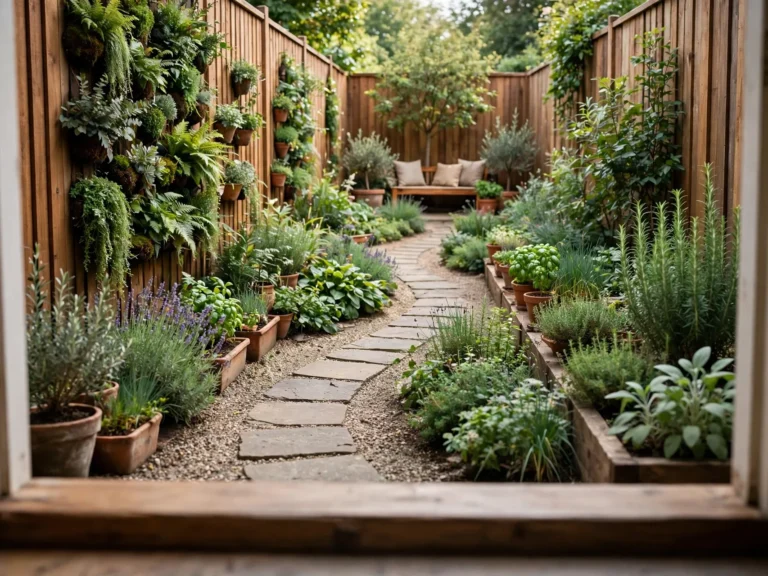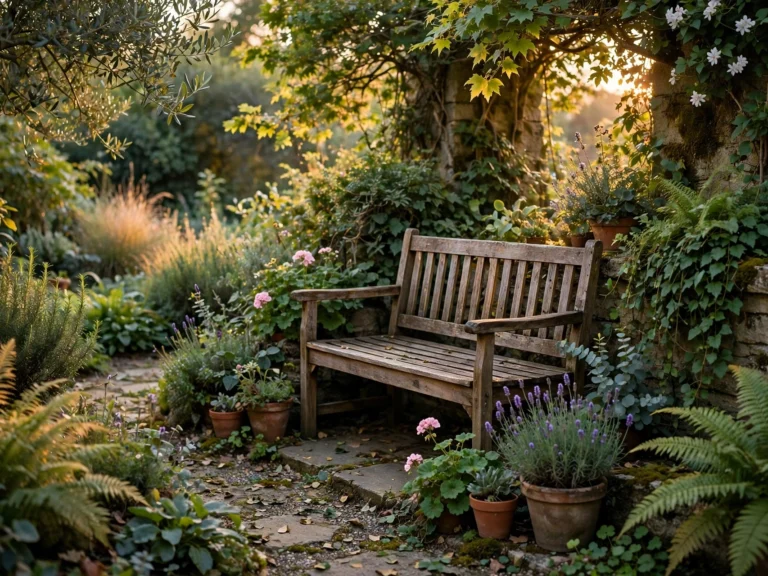
21 Boho Garden Ideas to Create a Relaxing Backyard Retreat
Boho Garden Ideas work best when a garden feels calm, layered, and easy to live in, rather than styled for a single photograph. A boho retreat is built from planting at different heights, natural materials, soft shade, warm evening light, and one or two quiet places to sit. The look should feel collected over time, with rattan, wood, terra cotta, linen, and woven texture working together, not competing for attention.
This guide builds that feeling zone by zone, so you can start small and add layers over a season. Read the planning section first, then pick one lounge zone and one or two extra layers, such as shade, scent, or evening light. You do not need all 21 ideas, and a small yard or a rental can still hold a real retreat if the zones are sized honestly.
How to Read Your Backyard Before You Go Boho
Walk the yard at different times before you buy anything. Note where the sun falls in the morning and the hottest afternoon hours, where shade already sits, where wind moves through, and where water pools after rain. Those facts decide where a lounge zone will actually feel comfortable, which plants will survive, and whether a rug, canopy, or cushion will cope with the spot you have chosen.
Also check privacy, size, and limits early. Look at sightlines from neighbours, measure the space left after paths and access are kept clear, and confirm any rental rules before fixing anything to a fence, wall, or tree. A boho garden should leave room to walk, water, and store things, so mark the main sitting spot, the path edges, and the storage place before the first plant or chair arrives.
Boho Garden Ideas
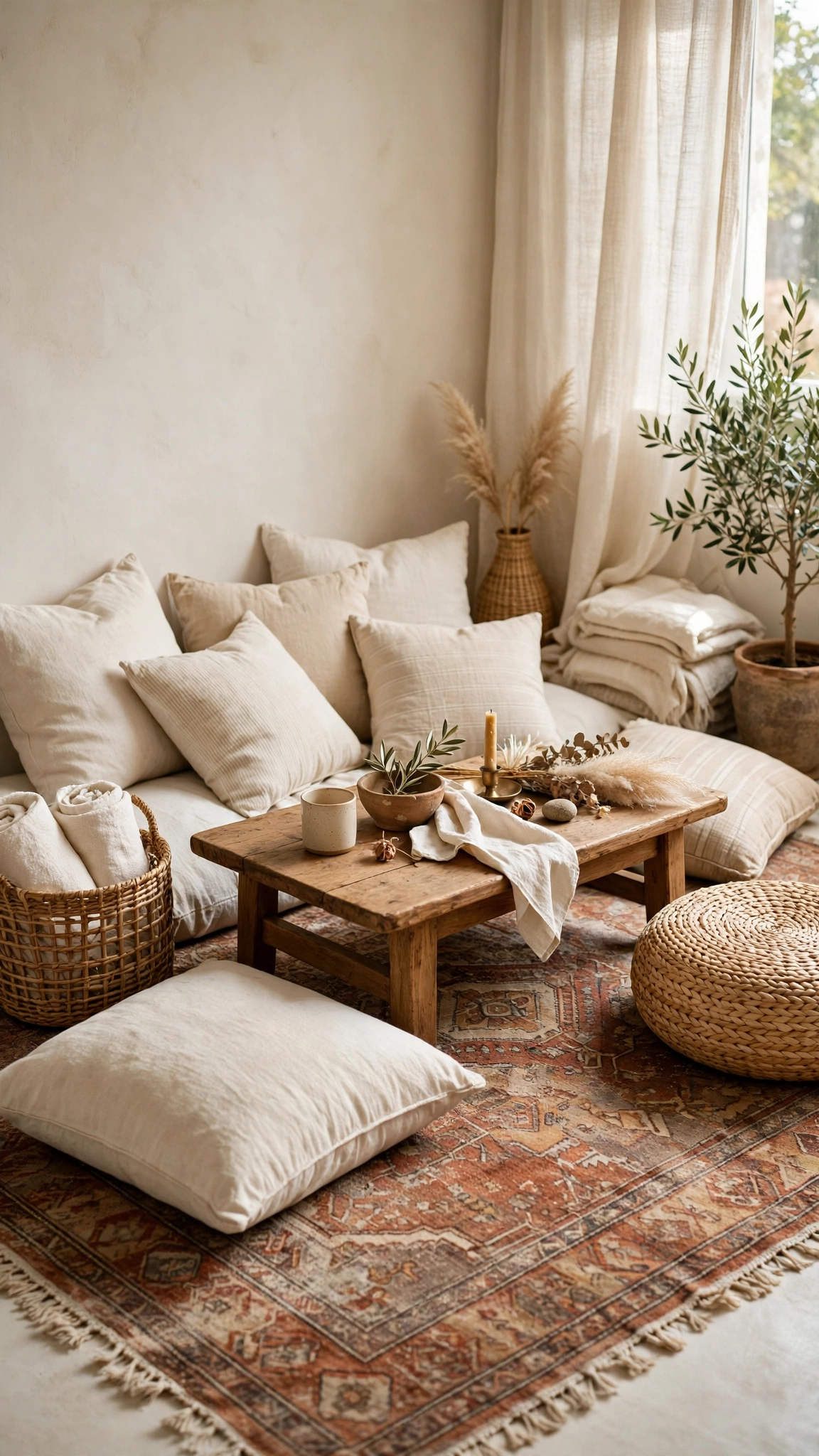
1. Start With One Low Lounge Zone, Not a Whole Makeover
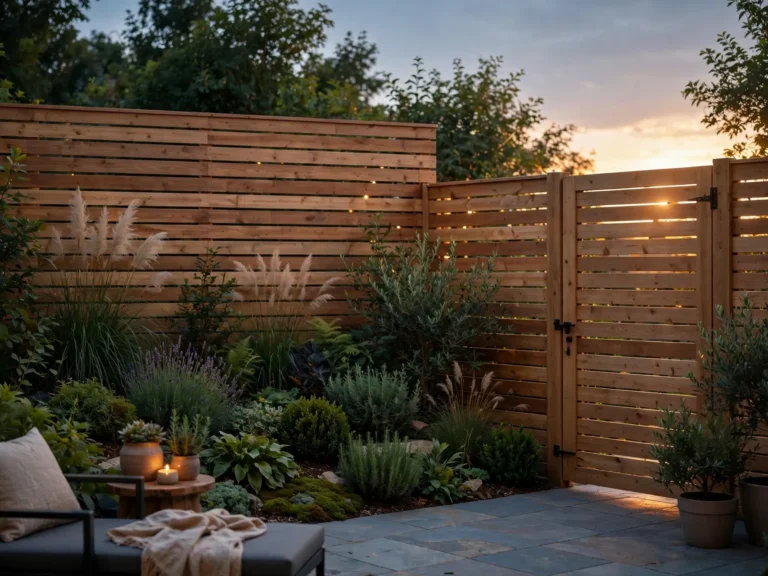
One low lounge zone gives a boho garden its anchor. Choose the spot with the best light and privacy, then keep the footprint compact: a low sofa or a pair of floor cushions, a small low table, and a rug that marks where the retreat begins. A warm wood tone, cream and sand linen, and one woven texture, such as rattan or seagrass, are enough to make the zone feel intentional without filling the yard.
Build outward only after you have used the zone for a few weeks. Notice whether the sun is too strong at the time you sit there, whether the rug stays dry, and whether you need shade, storage, or a side surface for a drink. In a small yard, this restrained start matters even more, and the same compact-zone thinking helps in narrow backyard ideas, where one well-placed seating area beats a yard full of furniture.
2. A Layered Planting Scheme That Looks Wild but Grows on Purpose
Layered planting gives a boho garden its lush, relaxed base. Place tall grasses or shrubs at the back, mid-height flowering plants in the middle, and low groundcover at the front, so the bed reads as full from the seating zone and still leaves room to walk. Repeat one or two plant shapes and one earthy colour thread, such as soft green with cream and dusty rose, so the wild look stays calm rather than random.
Group plants by their water and light needs, and leave access for watering, feeding, and pruning. A bed that looks effortless still needs edging, occasional cutting back, and space for plants to reach their mature width. Check sun, soil, and drainage for each group before planting, and replace a struggling plant with one suited to the spot instead of adding more plants to hide the gap.

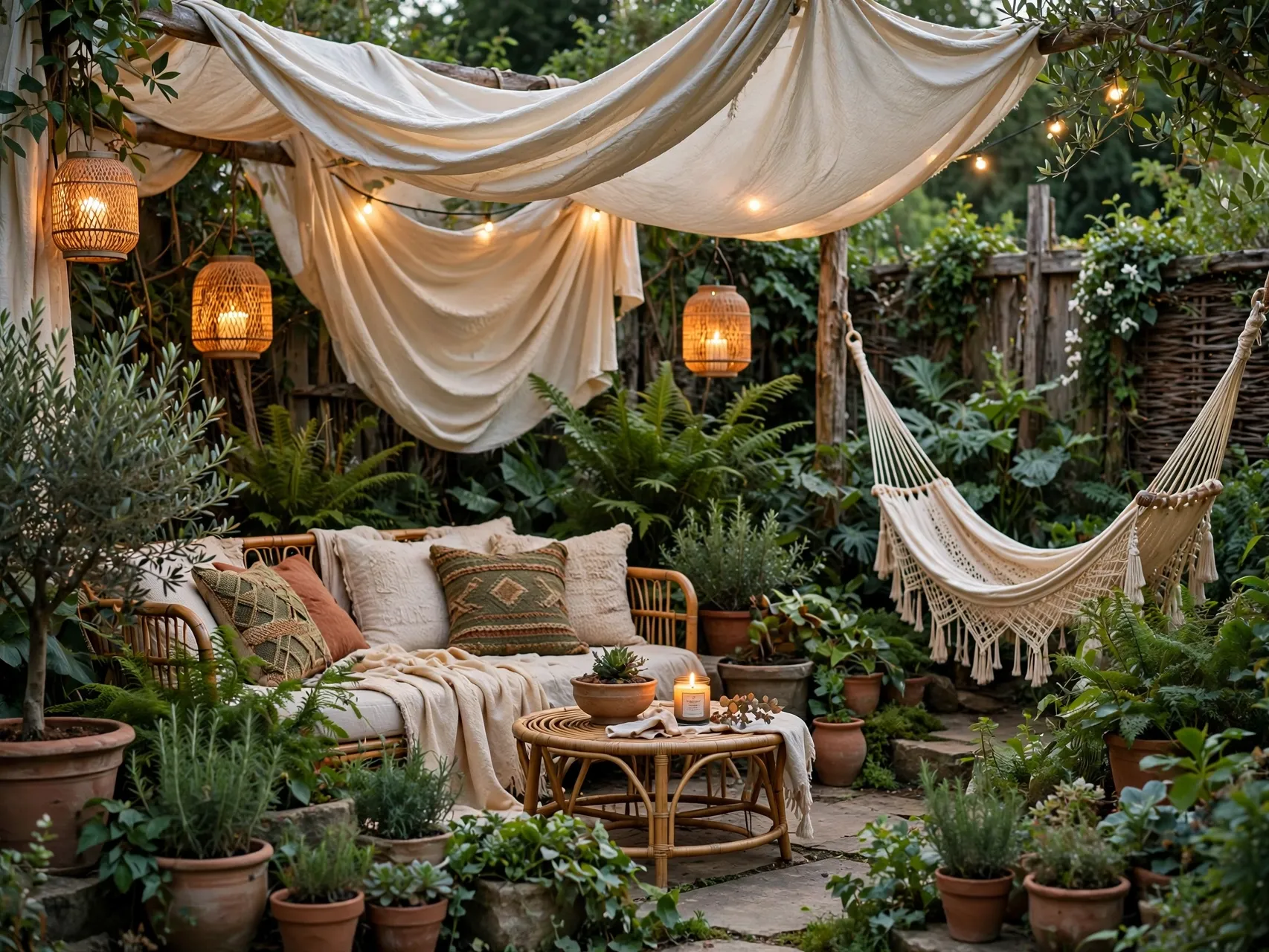
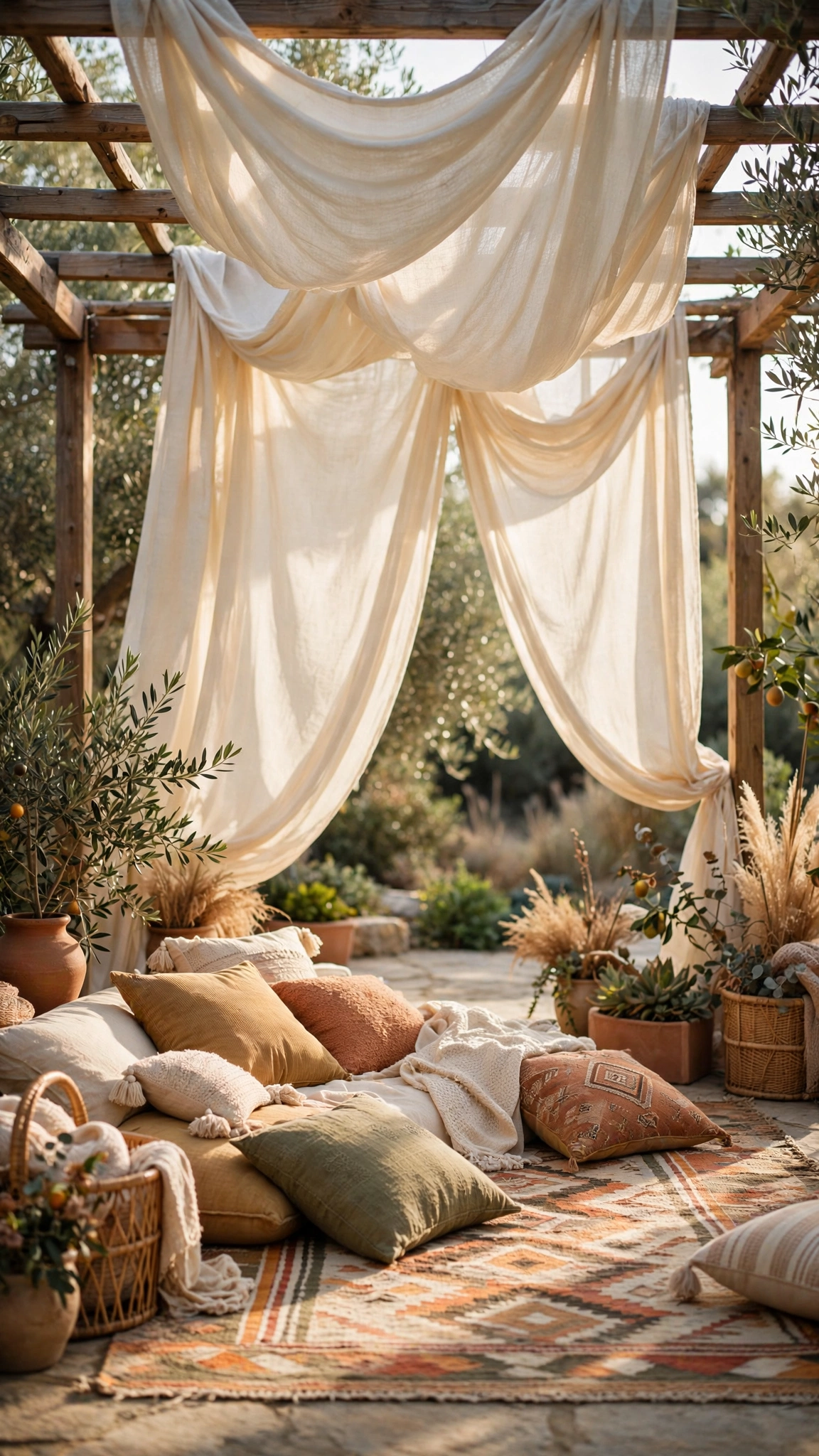
3. A Draped Fabric Canopy for Soft Shade and a Retreat Feel
A draped fabric canopy turns an open seating zone into a room with a soft ceiling. Light, outdoor-rated fabric in cream, sand, or faded sage filters harsh sun, moves gently in a breeze, and makes afternoon sitting far more comfortable. Hang it over a pergola, a freestanding frame, or sturdy posts, and let the drape fall a little longer at the sides so the zone feels sheltered without feeling closed in.
Fabric needs practical care, so choose a quick-drying outdoor fabric, secure every fixing against wind, and take the canopy down in storms and over winter where winters are harsh. Keep fabric clear of fire bowls, heaters, and cooking areas, and check that fixings do not damage a fence or tree you do not own. A removable canopy is often the best choice for renters and for yards that need full sun in cooler months.
- Use outdoor-rated, quick-drying fabric and secure fixings rated for wind.
- Plan a simple way to remove the canopy in storms and over winter.
4. A Mismatched Seating Set That Still Feels Like It Belongs
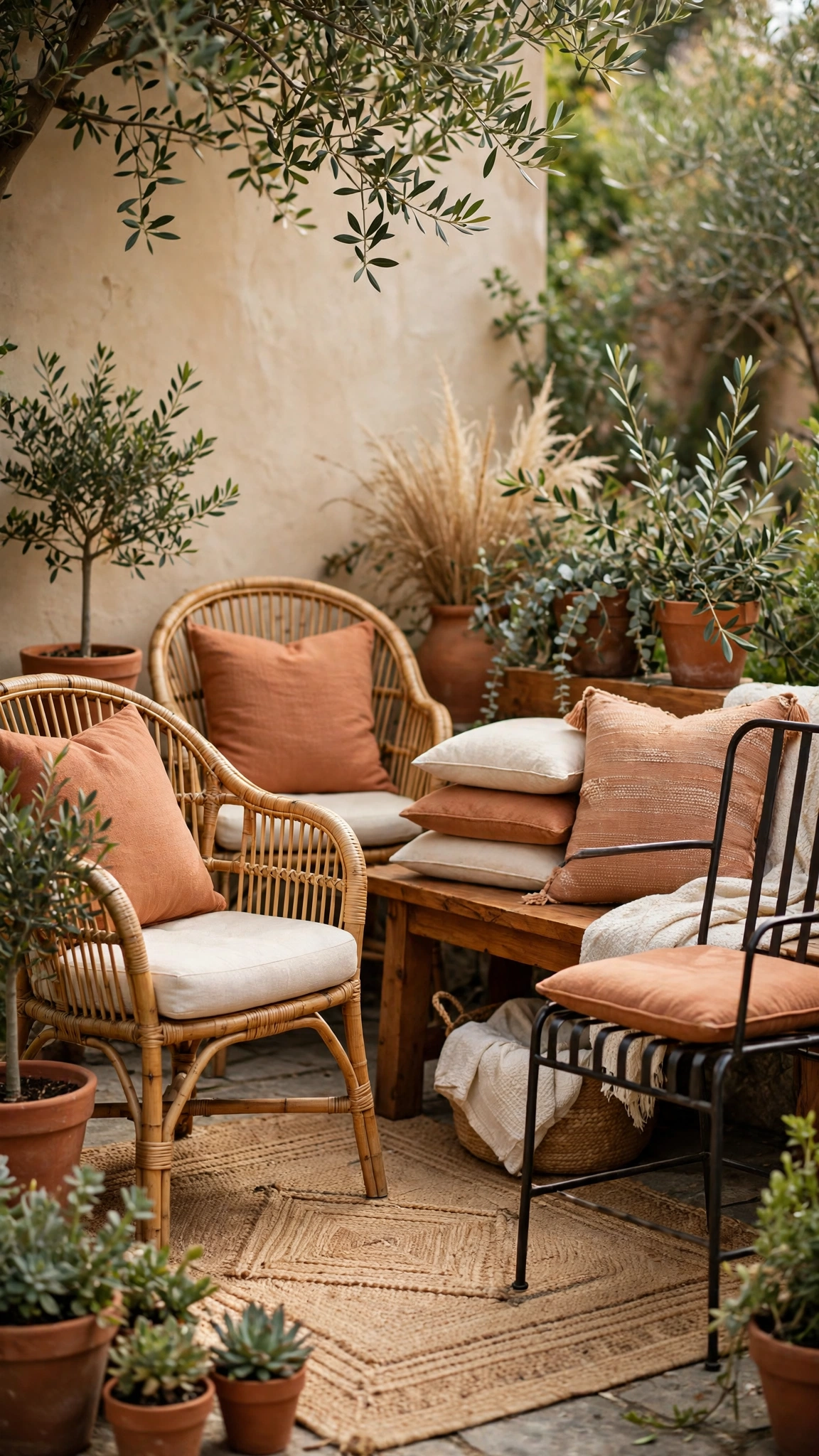
Mismatched seating suits boho gardens because it looks collected, but it still needs one thread to hold it together. Pair rattan chairs with a wooden bench or a metal side chair, then repeat one warm wood tone and one woven texture across the group. Cushions in cream, terracotta, and olive, with a single patterned throw, keep the mix calm, while different seat heights are worth testing before you buy, since a beautiful chair that is hard to get out of will rarely be used.
Size the set to the zone, not to the number of chairs you hope to own one day. A compact group with clear space around it feels more like a retreat than a crowded patio, and a small side table for drinks matters more than a fourth chair. If a piece does not fit the palette or the space, move it to another corner of the yard instead of forcing it into the main lounge zone.
5. A Vintage-Style Outdoor Rug to Anchor the Main Seating Area
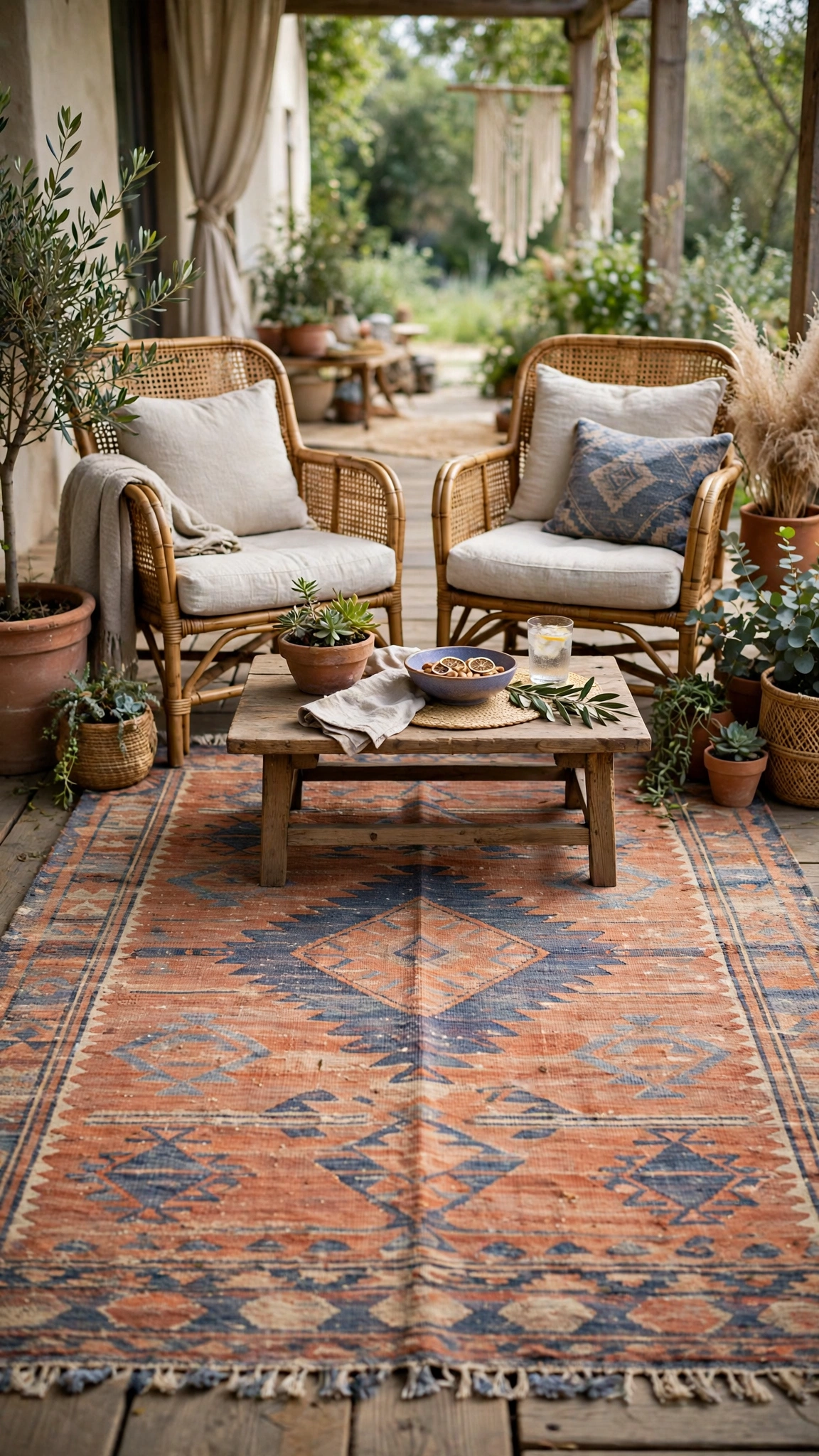
A vintage-style outdoor rug defines the seating zone and adds pattern underfoot without a building project. Choose a flat-weave, outdoor-rated rug in faded terracotta, indigo, or sand, and size it so the front legs of the main seating sit on it. That simple placement marks the retreat, stops chairs from drifting across a patio, and gives bare feet a softer surface in warm weather.
Outdoor rugs still need rain care. Lift the rug after heavy rain so the surface beneath can dry, shake out soil and leaves, and store it dry over winter if your climate brings long wet or freezing spells. A rug that stays damp will smell and wear faster, so drainage under the seating zone matters as much as the pattern on top.
6. Terra Cotta Pots Grouped in Odd Numbers for an Earthy Base
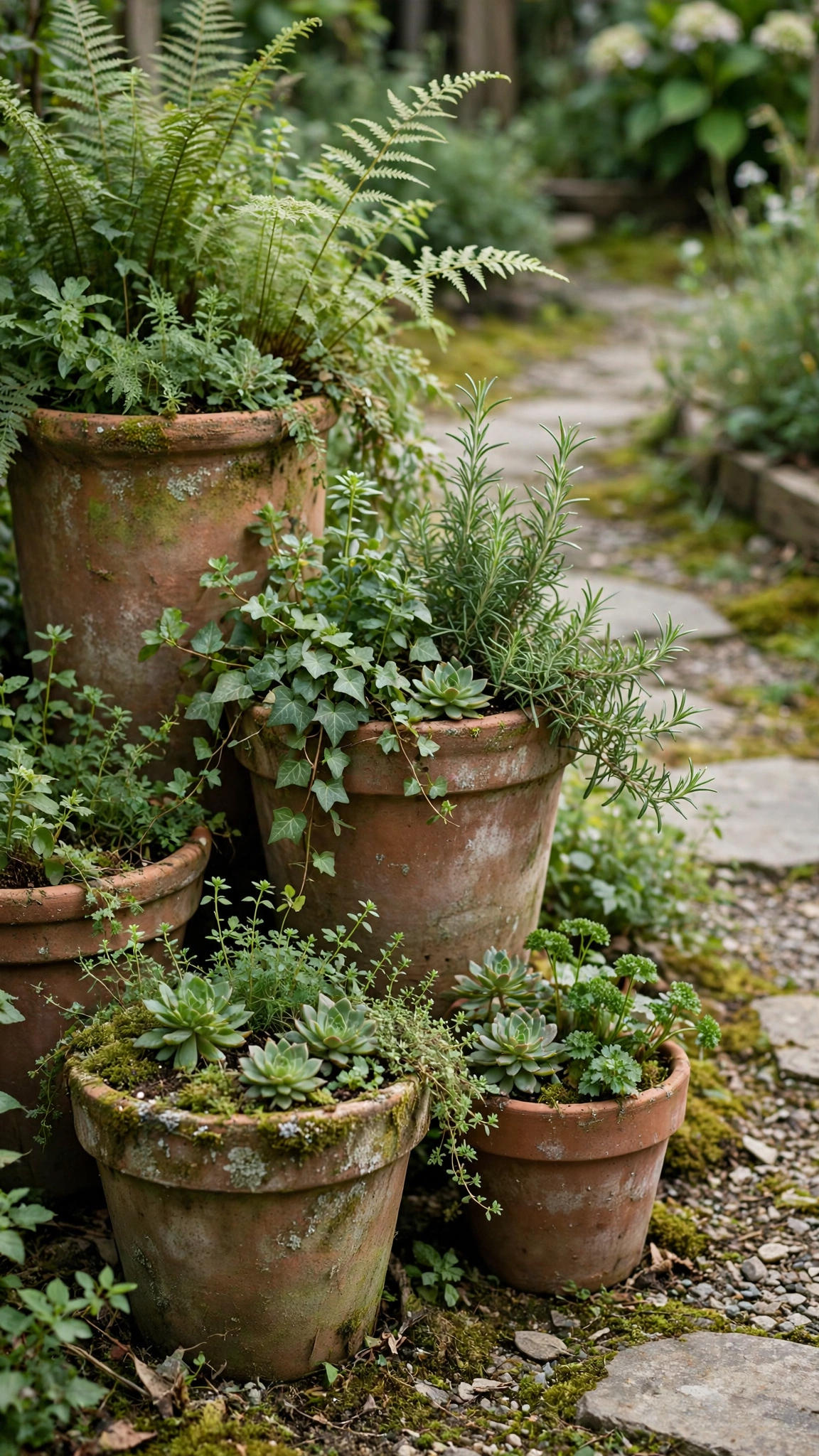
Terra cotta pots give a boho garden an earthy, weathered base that needs no extra decoration. Group pots in threes or fives, in varied heights, and let one repeated plant or colour thread tie the group together, such as silver-green herbs, trailing rosemary, or soft pink geraniums. Place the largest pot at the back or centre of the group, and keep the best-conditioned pots facing the seating zone.
Good drainage keeps terra cotta working well. Use pots with drainage holes, raise them slightly on pot feet, and empty saucers after rain so roots do not sit in water. Terra cotta can crack in hard frost, so move the most valued pots to shelter in winter where frost is a risk, and check that heavy groups sit on a level, stable surface.
7. Hanging Planters and Macramé at Different Heights
Hanging planters add vertical texture without using ground space, which makes them ideal for small patios, balconies, and bare pergola beams. Hang planters at staggered heights, mix macramé holders with plain ceramic or woven pots, and use trailing plants such as pothos, trailing rosemary, or string of pearls where the climate suits them. The height variation itself is the design, so avoid hanging every planter at the same level.
Check weight and fixing strength before hanging anything heavy, especially on a pergola or a rented structure. Hanging plants dry out faster in heat and wind, so water them more often than ground pots, and place a tray or a plant that tolerates drips beneath them. Keep hanging planters clear of heads on paths and above seating, and bring delicate holders inside in storms.

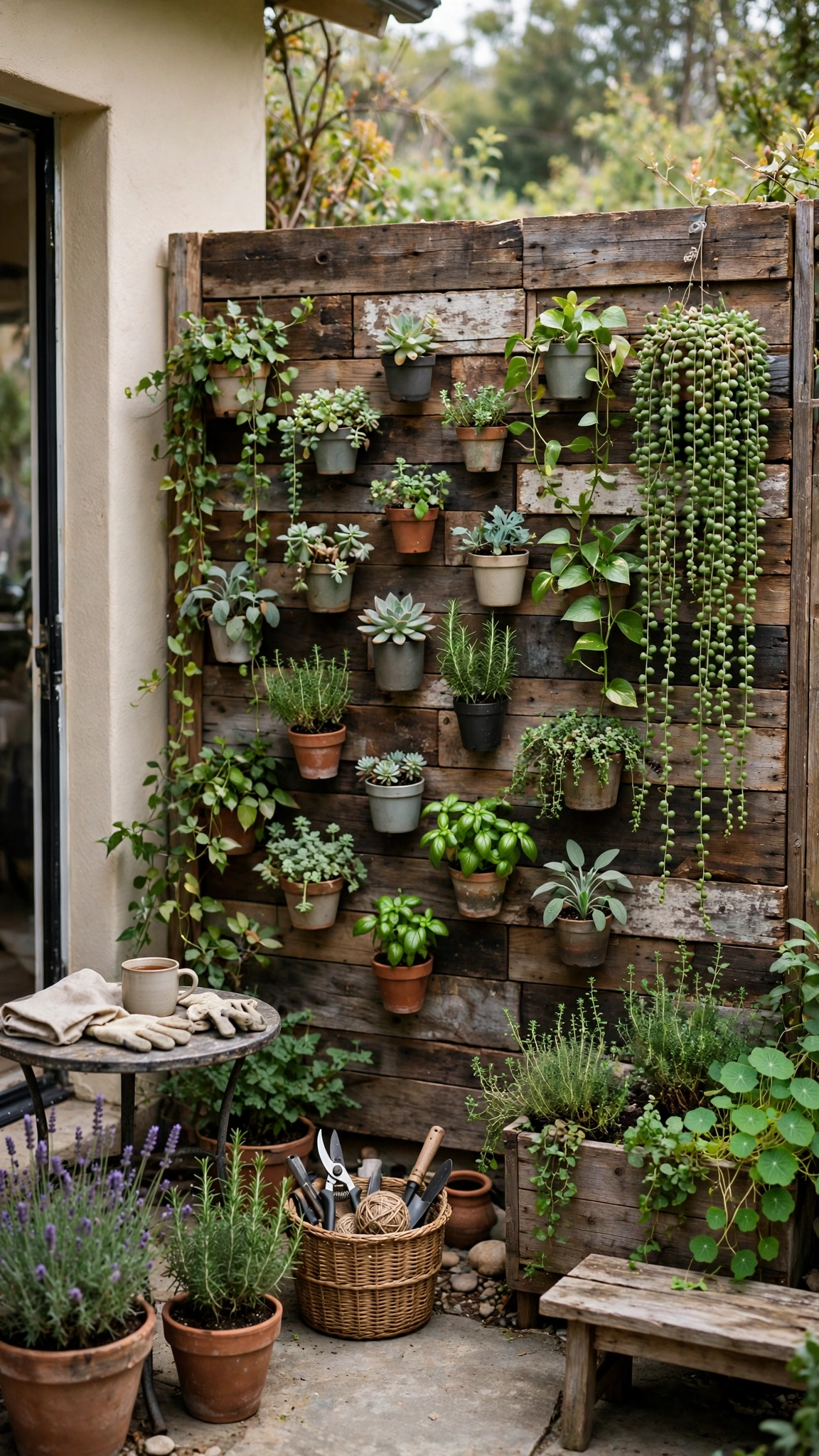
8. A Reclaimed-Wood Living Wall for Small Patios and Bare Fences
A reclaimed-wood living wall turns a bare fence or patio wall into a planted feature without taking up ground space. Fix a secure frame or pallet-style board to the wall, then plant succulents, herbs, and trailing plants matched to the light that wall receives. Weathered wood, small terracotta pots, and one or two trailing plants give the wall a boho feel, while the planting itself softens a hard boundary.
Sand and seal reclaimed wood before planting, allow drainage behind the frame, and keep the structure light enough for its fixings. A living wall on a fence needs care with weight, water damage, and neighbour boundaries, so check the fence condition and any shared-boundary rules first. For a full boundary project, the planning in backyard fence ideas helps with posts, footings, and shared fences before a heavy frame goes up.
9. A Fire Bowl Corner With Floor Cushions and Poufs
A fire bowl corner suits low, sociable evenings, with floor cushions, poufs, and throws arranged around a small fire bowl on a clear, heat-safe surface. Keep the palette warm and simple, with sand and rust cushions, a dark metal or stone bowl, and one woven basket for throws nearby. The low seating keeps the corner relaxed, and the fire gives the group a natural centre after sunset.
Fire safety shapes every detail here. Place the bowl away from fabric, overhangs, dry planting, and draped canopies, keep a clear space around it, and check local rules and any rental restrictions before buying. Use weather-resistant cushions with indoor storage, and never leave a lit fire unattended. If fire is not practical in your yard, lanterns and string lights can give a similar evening warmth without the same risk.
- Place the bowl on a clear, heat-safe surface, away from fabric and dry planting.
- Check local rules first, and store cushions indoors when the fire is not in use.

10. Warm String Lights and Lanterns Layered for Evening Calm
Evening light feels calmest when it comes from more than one height. Hang warm string lights overhead, place lanterns on a low table, and add one or two lanterns at ground level, so the seating zone glows softly instead of being lit by a single bright source. Warm white tones suit boho gardens better than cool white, and solar lights work best where they receive enough daylight to charge.
Compare solar and plug-in brightness before you commit, and keep cables out of walkways and away from water features. Outdoor evening lighting ideas work best as a layer, not as a replacement for a fire bowl or a reading light, so test the full layer at dusk before adding more. A dimmer, layered setup also keeps the garden feeling like a retreat rather than a lit stage.

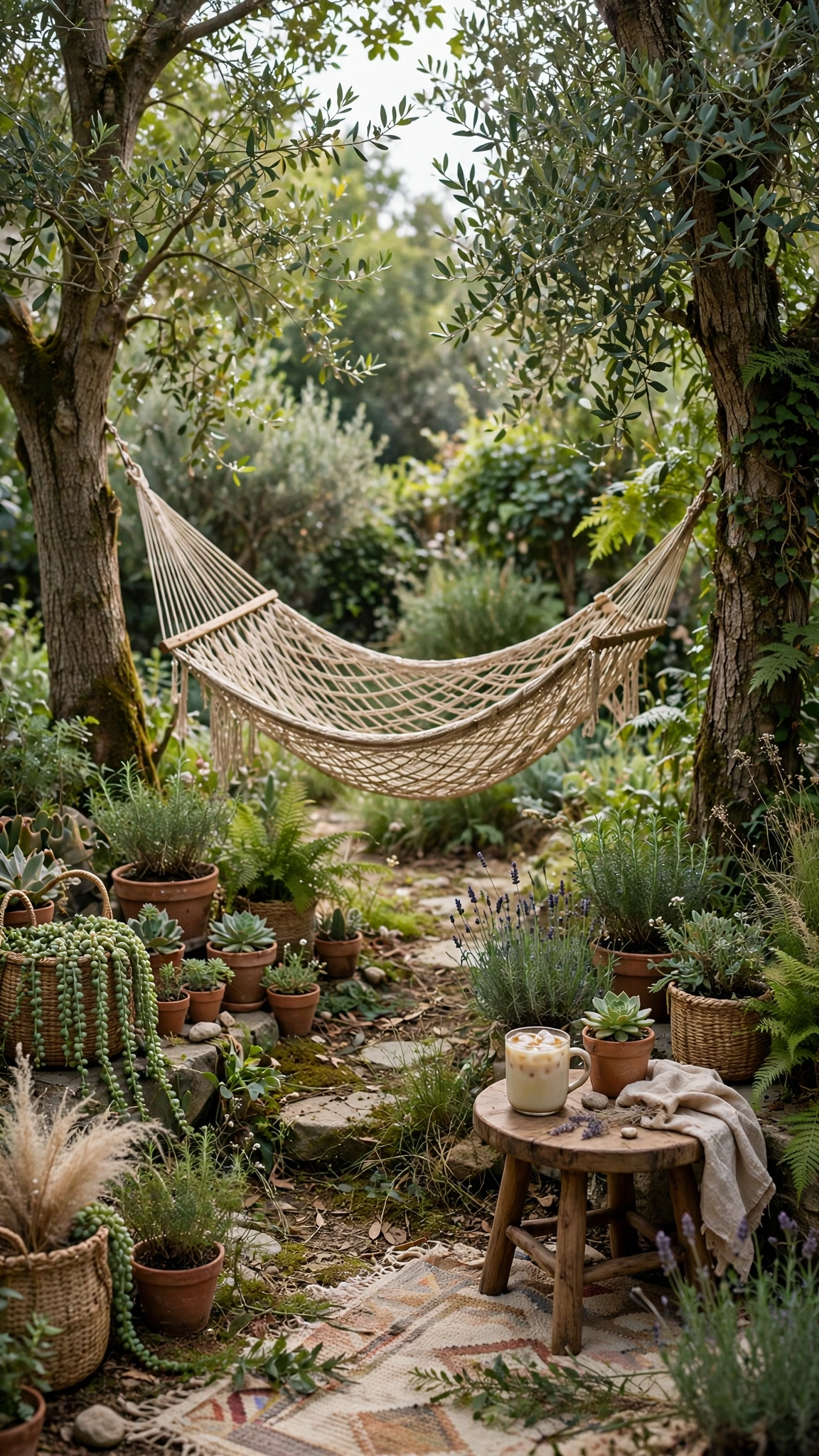
11. A Hammock or Hanging Chair as the Garden’s Slow-Down Spot
A hammock or hanging chair deserves its own spot, separate from the main seating zone, so it becomes a place for reading, resting, or quiet mornings. Hang it between two strong trees, a sturdy stand, or a rated frame, and add a small side surface for a book or a drink. Layered planting around the spot, with tall grasses or a climber nearby, gives privacy without a built screen.
Check weight limits, fixing strength, and swing clearance before you buy, and keep the hammock clear of paths, fences, and fire bowls. A hanging chair needs headroom and a level base, while a hammock needs a gentle sag rather than a tight pull. Bring fabric hammocks and cushions inside in heavy rain and over winter, so the slow-down spot stays inviting when the weather improves.
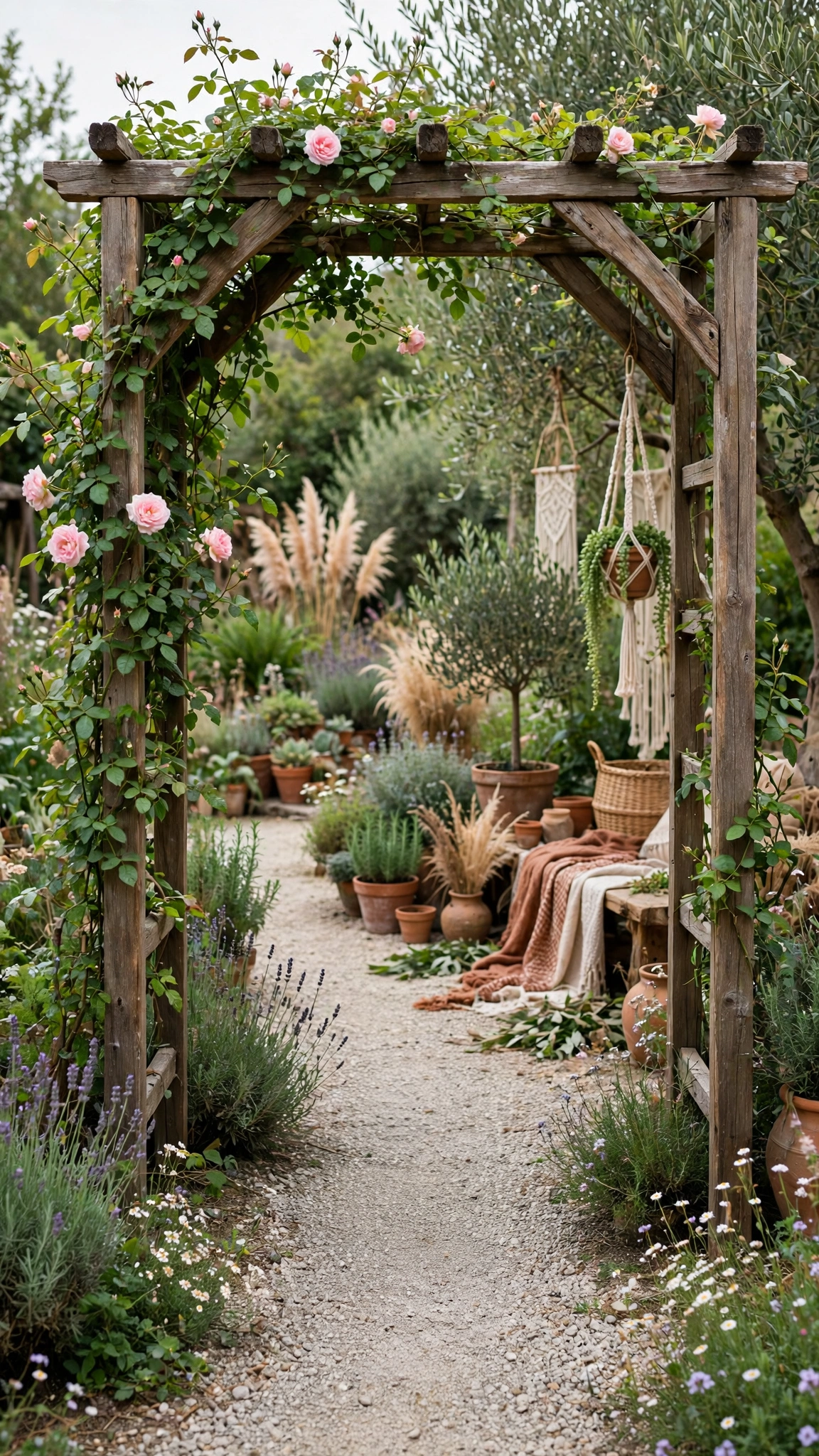
12. A Climbing-Plant Arch That Marks the Retreat Entrance
A climbing-plant arch marks the move from everyday yard to retreat, and it works best at a path or seating entrance rather than in the middle of an open lawn. Choose a wooden or metal arch with secure footings, then plant a climber matched to the sun and support available, such as jasmine, clematis, or a climbing rose where the climate suits it. The arch reads as a threshold even before the climber fills in.
Allow a full season for coverage before judging the result, and prune and tie in growth so the path stays clear. A light drape of fabric or a single string of lights can soften the arch for an evening, but the planting should do most of the work. Keep the arch clear of gates, drains, and neighbour boundaries, and check that its footings do not block access for bins or mowing.
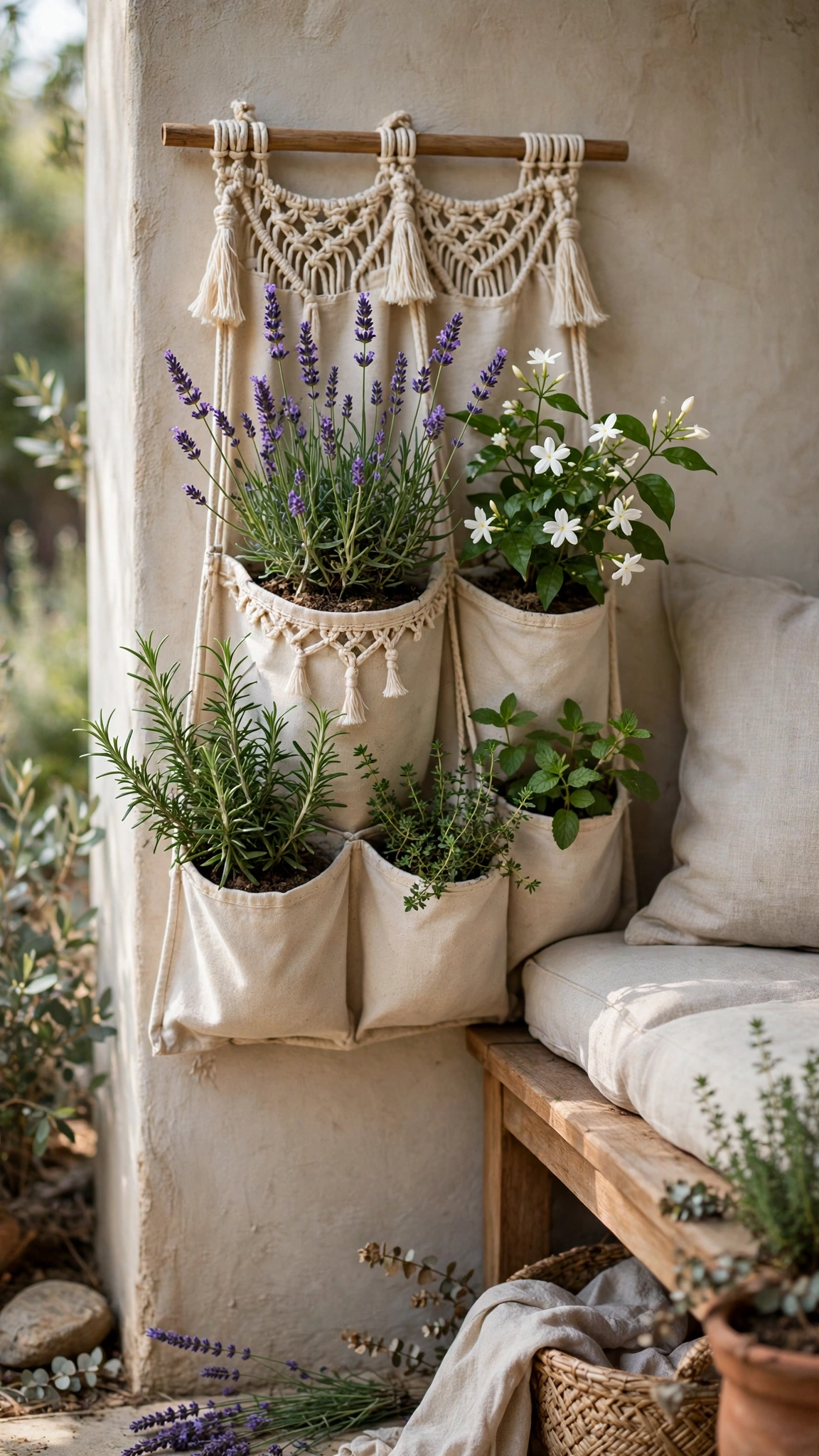
13. A Scented Planting Pocket With Lavender, Jasmine and Herbs
Scent works best when it is placed on purpose, at seating height and along the path to the seating zone. Combine lavender, jasmine, rosemary, and other fragrant plants in one compact pocket beside the lounge area, so the scent reaches people where they sit rather than drifting across the whole yard. A palette of silver-green foliage, soft purple flowers, and warm timber pots keeps the pocket looking calm.
Match each plant to sun, soil, and climate, and prune after flowering where that suits the plant. Lavender needs sun and free drainage, jasmine needs support and shelter from harsh wind, and rosemary prefers a sunny, well-drained spot. Keep scented planting trimmed back from paths so it does not overhang and trip, and avoid planting strongly scented species right beside a dining table if guests find the scent too strong at close range.
14. A Raised Herb Spiral for Cooking, Scent and a Talking Point
A herb spiral grows several herbs in a small footprint, with drier, sunnier herbs at the top and moisture-loving herbs lower down. Build it from stone, brick, or timber, fill it with free-draining soil, and place rosemary, thyme, and oregano high, with parsley, chives, and mint lower, keeping mint in its own pot sunk into the bed so it does not take over. The spiral shape itself becomes a focal point, even in a small garden.
Place the spiral where it receives enough sun for the herbs you use most, and keep it within easy reach of the kitchen door and the seating zone. Water the top more often, since raised soil dries faster, and cut herbs regularly to keep plants bushy. A herb spiral also gives a boho garden a productive layer, so the retreat smells, tastes, and looks like a lived-in garden.

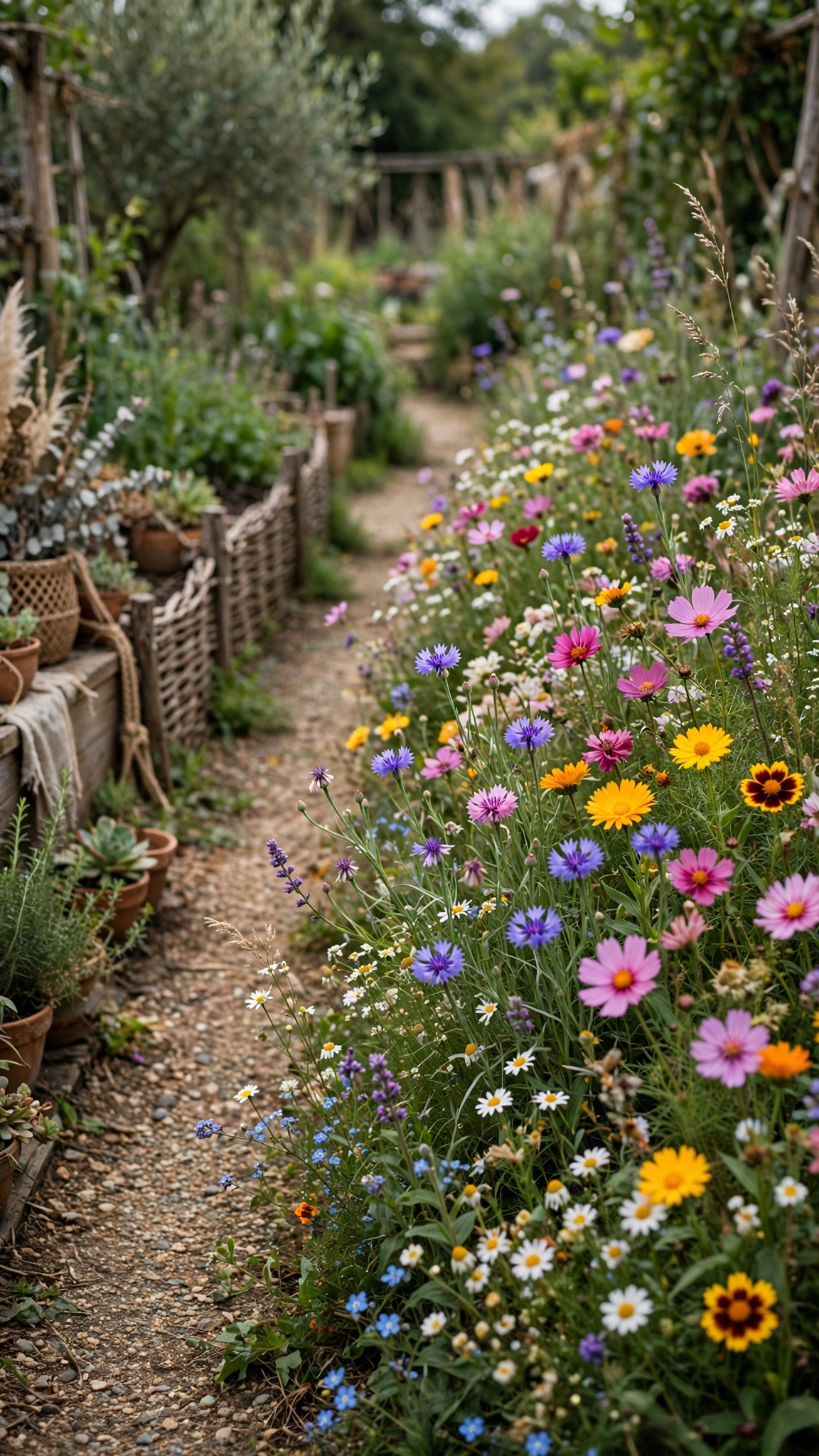
15. A Wildflower Patch That Replaces a Hard-to-Mow Lawn Strip
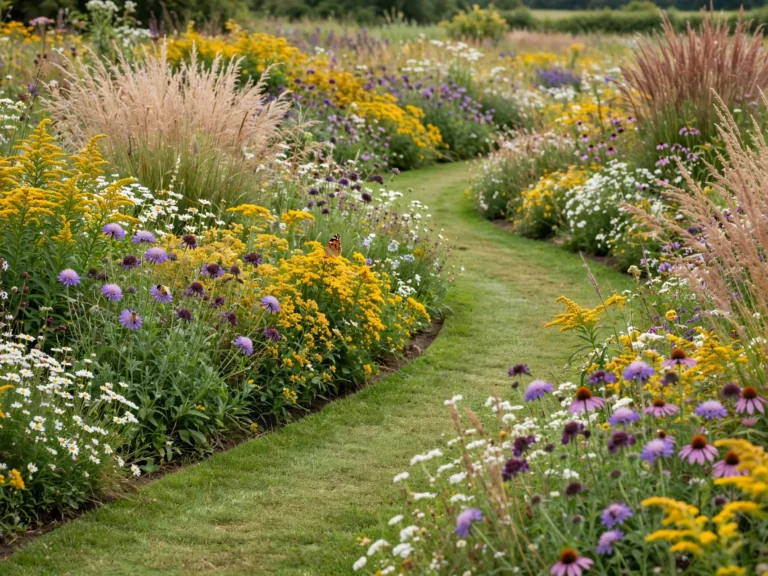
A wildflower patch suits a lawn strip that is hard to mow, awkward to reach, or rarely used for play. Choose a seed mix suited to your sun, soil, and climate, prepare the ground before sowing, and sow at the time recommended for that mix. The result is a loose, colourful patch that supports pollinators and needs less weekly mowing than lawn, while still reading as a deliberate part of the garden.
Wildflowers are not a no-care option. The patch needs edging to keep it clear of paths, cutting back at the right time of year for the mix used, and occasional weeding in the first season. Wildflower garden ideas work best when the patch has a clear boundary, so the garden looks relaxed rather than neglected, and when the patch is kept away from drains, fences, and neighbours’ boundaries where tall growth could cause problems.
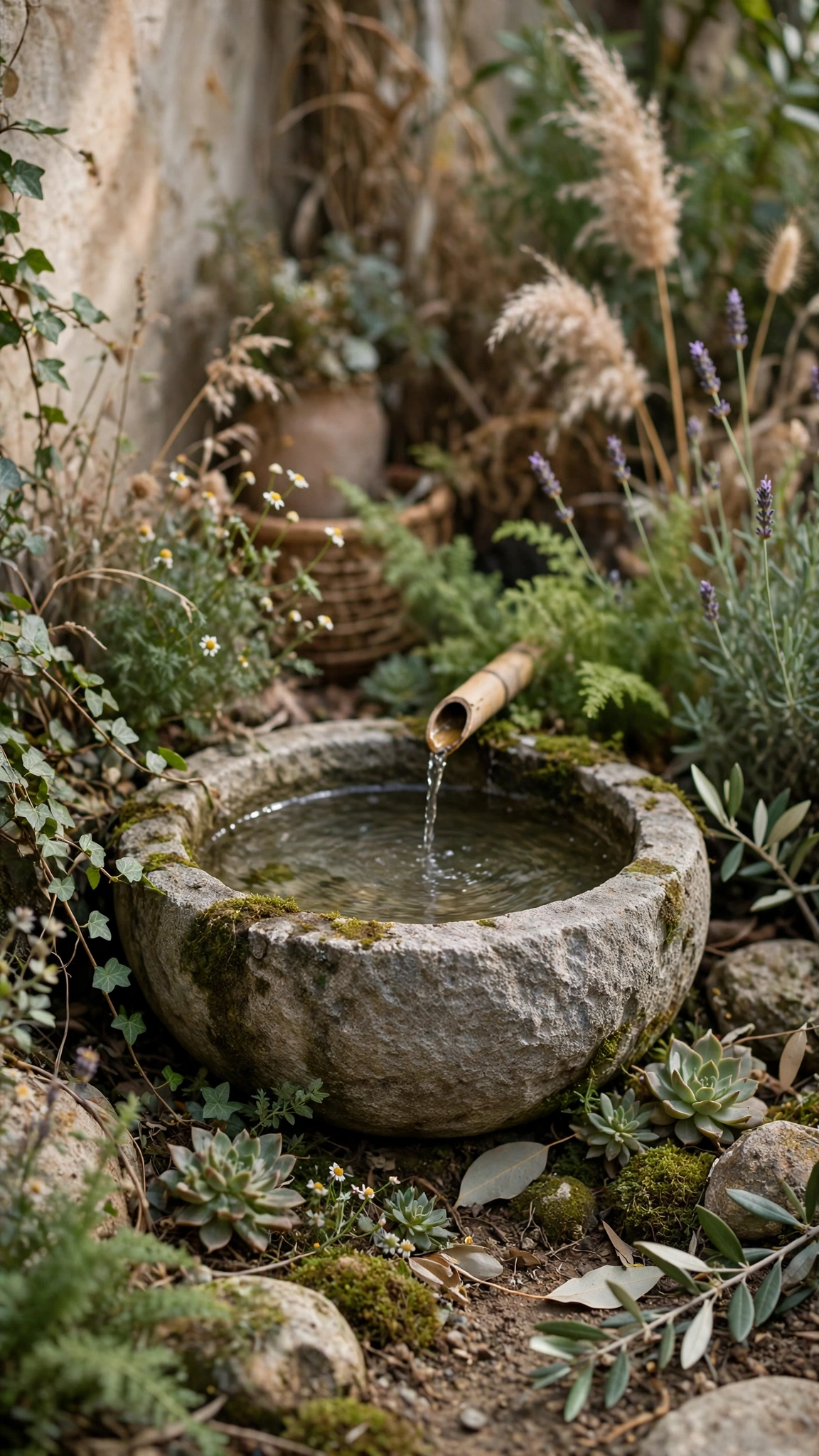
16. A Small Water Bowl or Trickle Fountain for Gentle Sound
A small water bowl or trickle fountain adds gentle sound to a quiet corner, and it suits a small yard far better than a large pond. Place the feature where its sound can be heard from the seating zone, keep it level, and choose a simple stone, ceramic, or metal bowl with planting around it. The sound should sit in the background, soft enough to notice on a still evening without dominating conversation.
Check power and water access before buying, keep the feature clean and topped up, and protect the pump from leaves and debris. A solar pump suits a sunny spot, while a mains pump needs safe cable routing away from walkways. In freezing climates, drain and store the feature over winter, and keep it clear of paths so wet stone does not become a slip risk.
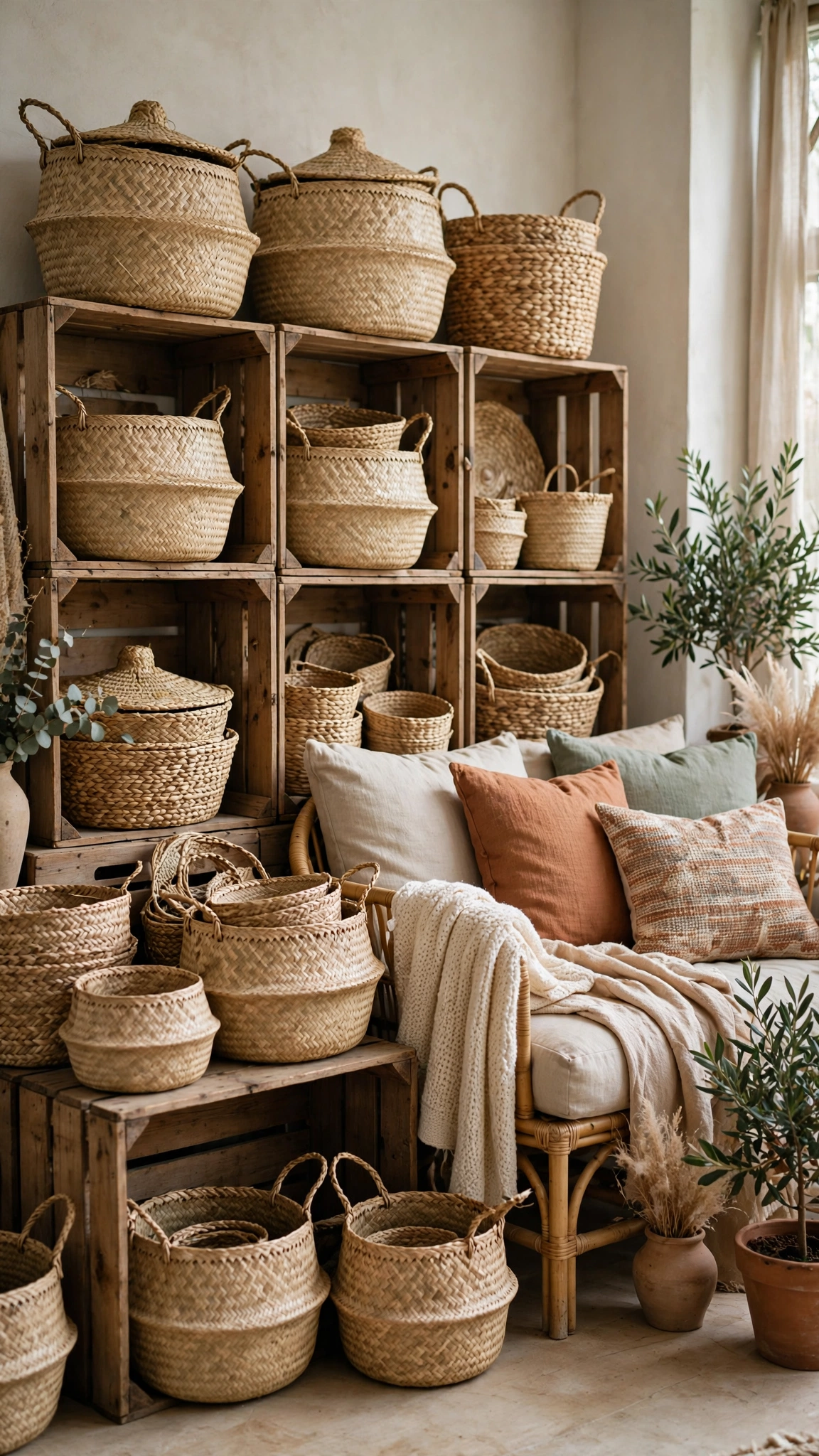
17. Woven Baskets and a Crate Store That Hide the Practical Bits
Woven baskets and a crate store let practical items look like decor, so tools, cushions, throws, and firewood do not break the retreat feeling. Use seagrass, rattan, or weather-resistant woven storage near the seating zone, with one larger crate or bench store for cushions and smaller baskets for throws and small tools. A palette of natural woven tones, with one darker basket for contrast, keeps the storage calm.
Keep cushions dry, and store baskets and textiles indoors in heavy rain and over winter where winters are wet or freezing. Place storage within easy reach of the seating zone, so putting things away feels easy rather than a chore. Label or separate the crate contents loosely, with firewood away from cushions and tools away from throws, so the store stays useful as well as tidy.
- Keep cushions in the driest store, and firewood and tools in separate baskets.
- Place storage beside the seating zone, so tidying takes seconds, not a separate trip.
18. A Boho Outdoor Dining Corner With Mixed Tableware
A boho dining corner works as a separate zone from lounging, so meals and slow evenings do not compete for the same space. Use a simple wooden table, mixed chairs in one earthy palette, and varied tableware in cream, terracotta, and sage, with a woven placemat or a linen runner to tie the table together. One lighting layer and one scented plant near the table are enough to make evening meals feel special.
Size the table to the yard and the usual group, and leave room to pull chairs out without blocking a path. Choose outdoor-safe tableware that can handle a drop, and keep the table clear of the main lounge rug so the two zones stay distinct. A small side surface for serving dishes, or a nearby crate store for tableware, keeps the dining corner practical for everyday use.
19. A Quiet Reading or Morning-Coffee Nook Tucked Into a Corner
A reading or morning-coffee nook should feel quieter and more enclosed than the main lounge zone. Choose a corner with morning light where possible, add one comfortable chair, a small side table, and layered planting around it, with a tall grass or a climber to one side for shelter. A cream cushion, a soft throw, and a single lantern give the nook warmth without filling it with decor.
Keep the nook clear of dining and play traffic, and add a shade option and a small light for evenings so the corner works beyond mornings. The nook does not need a full furniture set, and a single chair with a good side surface often suits a small yard better than a second lounge zone. If the corner is shady, choose shade-tolerant planting and light-coloured pots and textiles to keep it feeling open.
20. Wind Chimes and Handmade Details Used Sparingly
Wind chimes and handmade details work best in small numbers, so the garden feels personal rather than crowded. Choose three or four pieces, such as one wind chime, one dreamcatcher, and one or two handmade pots or hangings, and place them where their sound and texture can be enjoyed from the seating zone. Natural materials, such as wood, metal, and woven fibre, suit boho gardens better than bright plastic.
Hang chimes where wind can reach them without disturbing neighbours, and keep details away from paths and above seating heads. Bring delicate pieces inside in storms and over winter, and check fixings regularly so a hanging piece does not fall. Restraint is the skill here: a few well-placed details give a garden character, while a dozen scattered pieces make even a large yard feel cluttered.
21. One Deliberately Wild Corner That Lets the Garden Breathe
One deliberately wild corner gives a boho garden freedom, as long as it has a clear boundary. Let tall grasses, self-seeded flowers, and a climber grow loosely in one corner, while paths and seating stay clear and edged. The contrast between the loose corner and the tidy seating zone is what makes the garden feel relaxed rather than overgrown.
Edge the wild corner clearly, cut it back once or twice a year as the plants require, and keep it away from fences, drains, and neighbours’ boundaries where tall growth could cause problems. A wild corner still needs occasional weeding and path clearance, especially in the first season. With that boundary in place, the corner becomes a place for pollinators and loose planting, while the rest of the garden stays easy to use.
How to Choose the Right Boho Garden Setup
Choose by your main use first, then by yard size, sun, and budget. A reader who wants evening calm should start with a lounge zone, layered lighting, and a fire bowl or water sound, while a reader who wants a quiet morning corner should start with a sheltered nook, scented planting, and shade. A small yard suits one lounge zone and vertical planting, while a larger yard can hold separate lounge, dining, and reading zones without crowding paths.
Build in a gradual order that fits your budget and upkeep. Start with the lounge zone and the planting base, add shade and lighting next, then add scent, sound, and dining layers over a season. Check drainage, weatherproofing, and storage at each step, and keep one palette and one or two repeated materials across zones, so new layers feel like part of the same retreat.
Common Boho Garden Mistakes to Avoid
Buying everything at once is the most common boho mistake, because a yard filled in one weekend rarely fits the way people actually sit, walk, and store things. Over-layering a small space is close behind, with too many chairs, rugs, baskets, and hangings leaving no room to move. Ignoring drainage and rain is another costly error, since cushions, rugs, and baskets that stay damp wear out fast and can smell.
Blocking paths with wild planting, adding a fire bowl or a hanging chair without safe support, and fixing things to a fence or tree without permission also cause problems that are easy to avoid. Keep paths clear, check weight limits and clearances, confirm local rules and rental limits, and leave storage space for textiles before you buy more of them. A boho garden should feel relaxed, but the structure underneath it still needs to be safe, dry, and easy to use.
FAQS
How do I start a boho garden on a budget?
Start with one low lounge zone, layered pots, and one warm lighting layer, then add shade, scent, and dining zones over time. Use secondhand furniture, terra cotta pots, and seed-grown or cutting-grown plants where they suit your climate, and buy one quality rug or canopy before adding small decor.
How do I keep a boho garden from looking cluttered?
Repeat one or two materials and one earthy palette, keep paths and seating edges clear, and group small decor in odd-numbered clusters. Give every textile and basket a storage place, and remove one piece before adding another when a zone starts to feel full.
What plants work best in a boho garden?
Combine tall grasses or shrubs, mid-height flowering plants, trailing plants, and groundcover, matched to your sun, soil, water, and climate. Place scented plants near seating, repeat one or two plant shapes for cohesion, and leave access for watering, pruning, and growth to mature width.
What if my backyard is shady or very small?
Use shade-tolerant plants, a living wall or hanging planters for vertical interest, and one compact lounge zone with light-coloured textiles and pots. Keep furniture small, paths clear, and planting layered rather than crowded, so a small or shady yard still feels open and calm.
Can I make a boho garden in a rental?
Yes, favour pots, freestanding canopies, portable lighting, removable rugs, and hanging planters over built structures. Check landlord permission before fixing anything to walls, fences, or trees, and choose lightweight, portable pieces you can take with you when you move on.
How do I protect boho cushions, rugs, and baskets from rain?
Choose outdoor-rated textiles and flat-weave rugs, bring cushions and throws inside in heavy rain, and store baskets and textiles dry in winter. Keep drainage clear under pots and seating, lift rugs after heavy rain so surfaces dry, and use pot feet to stop water pooling.
Do I need a fire pit for a boho garden retreat?
No, a fire bowl is one evening option, not a requirement for a boho retreat. Lanterns, string lights, and a small water bowl can give the same evening calm, and any fire feature needs safe placement, clear space, and local rule checks before use.
Final Thoughts
Start with your main need, not with a shopping list. If calm planting matters most, begin with layered beds and a scented pocket; if shade matters most, begin with a canopy and a lounge zone; if evening calm matters most, begin with layered lighting and a fire bowl or water sound. Check sun, shade, drainage, privacy, and size first, then pick one lounge zone and one or two layers that you will actually use.
Then add the rest over a season, one zone at a time. Walk the yard, mark the best sitting spot, and start with the zone you will use most, whether that is a low lounge, a dining corner, or a quiet reading nook. A boho garden built that way feels relaxed because it fits the yard and the way you live in it, not because it holds every idea at once.