
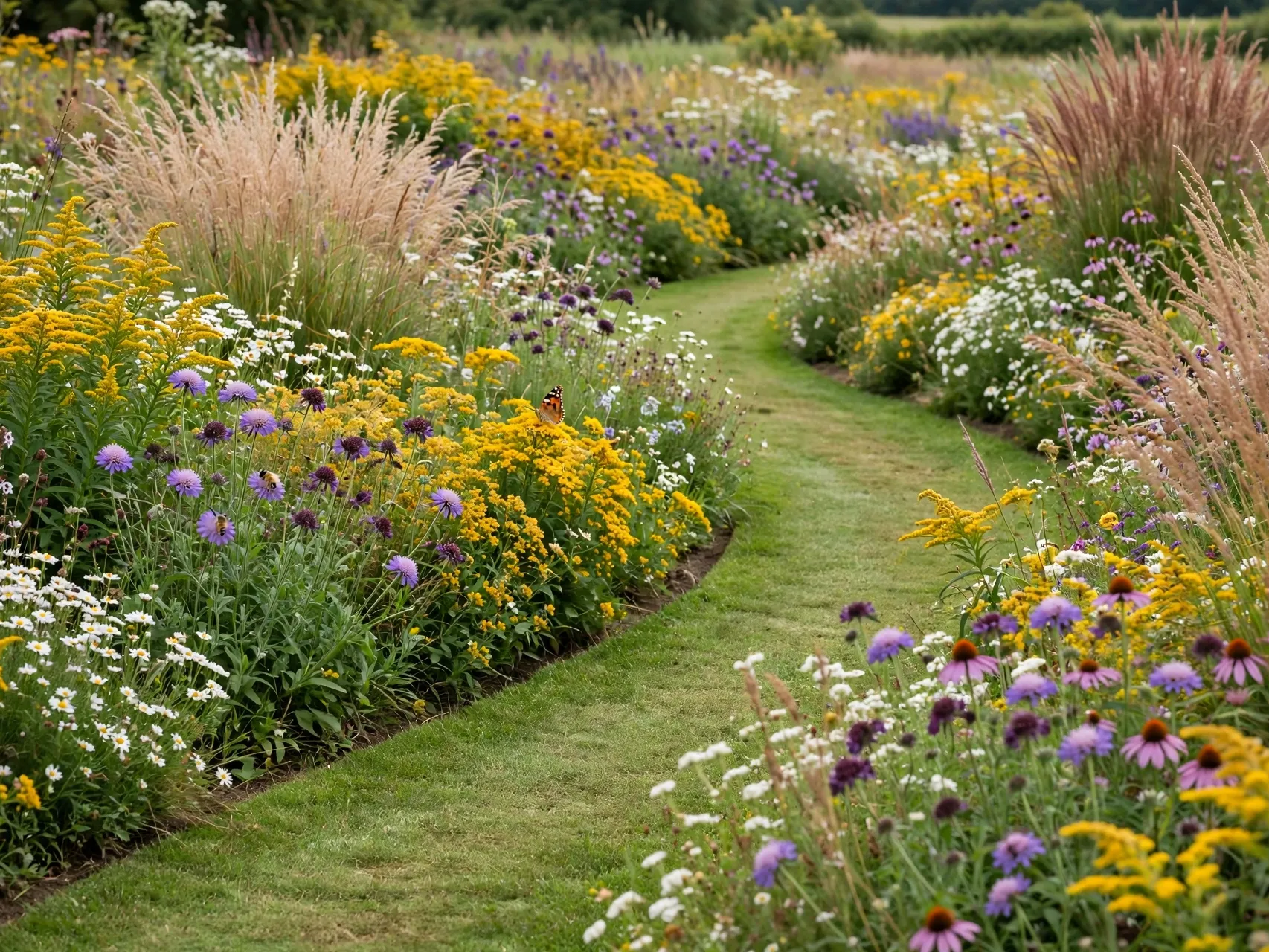
21 Wildflower Garden Ideas for a Colorful and Natural Backyard
Wildflower gardens bring a beautiful mix of colour, texture, and natural charm to outdoor spaces. Whether you have a large backyard, a narrow garden border, or just a sunny patio, you can create a colourful planting area that feels relaxed without looking messy. From flowing meadow-style flower beds and pollinator-friendly borders to charming containers and winding garden paths, there are plenty of ways to make wildflowers part of your outdoor design.
The secret to a successful wildflower garden is choosing flowers that suit your local climate, sunlight, and soil conditions. With the right combination of native plants, staggered bloom times, and simple garden features, you can enjoy seasonal colour while creating a welcoming habitat for bees, butterflies, and other beneficial wildlife.
These 21 wildflower garden ideas cover everything from small-space planting and colourful borders to natural-looking meadows and wildlife-friendly garden features. You’ll also find practical tips to help you choose the right planting style, prepare your space, and keep your garden looking beautiful throughout the seasons.
How to Read Your Yard Before You Sow Wildflowers
Walk the yard at different times before you buy any seed. Note where the sun falls in the morning and in the hottest afternoon hours, where shade already sits, where water pools after rain, and where the ground stays dry. Those facts decide which wildflowers will survive, which mix suits each area, and whether a meadow, a border, or a container is the right starting point for that spot.
Also check size, access, and boundaries early. Measure the space left after paths and mowing access are kept clear, look at sightlines from neighbours, and confirm any shared-boundary or local rules before converting a front area or a strip beside a fence. A wildflower garden should leave room to walk, weed, and cut back, so mark the main planting area, the path edges, and the mown border before the first seed is sown.
Wildflower Garden Ideas
1. Start With a Mix Matched to Your Region, Not a Pretty Packet
A regional wildflower seed mix is a great starting point for creating a garden that feels naturally connected to its surroundings. Instead of choosing a packet based only on its colourful flower photographs, look for species suited to your local climate, soil, and growing conditions. Native wildflowers are often particularly valuable because they can provide food and habitat for local wildlife.
You can create an attractive mix by combining flowers with different heights, colours, and flowering periods. Read the seed packet carefully to understand sowing requirements, germination times, and whether particular seeds need cold stratification. A suitable regional mix gives your garden a better foundation and makes it easier to create a planting scheme that develops beautifully over time.

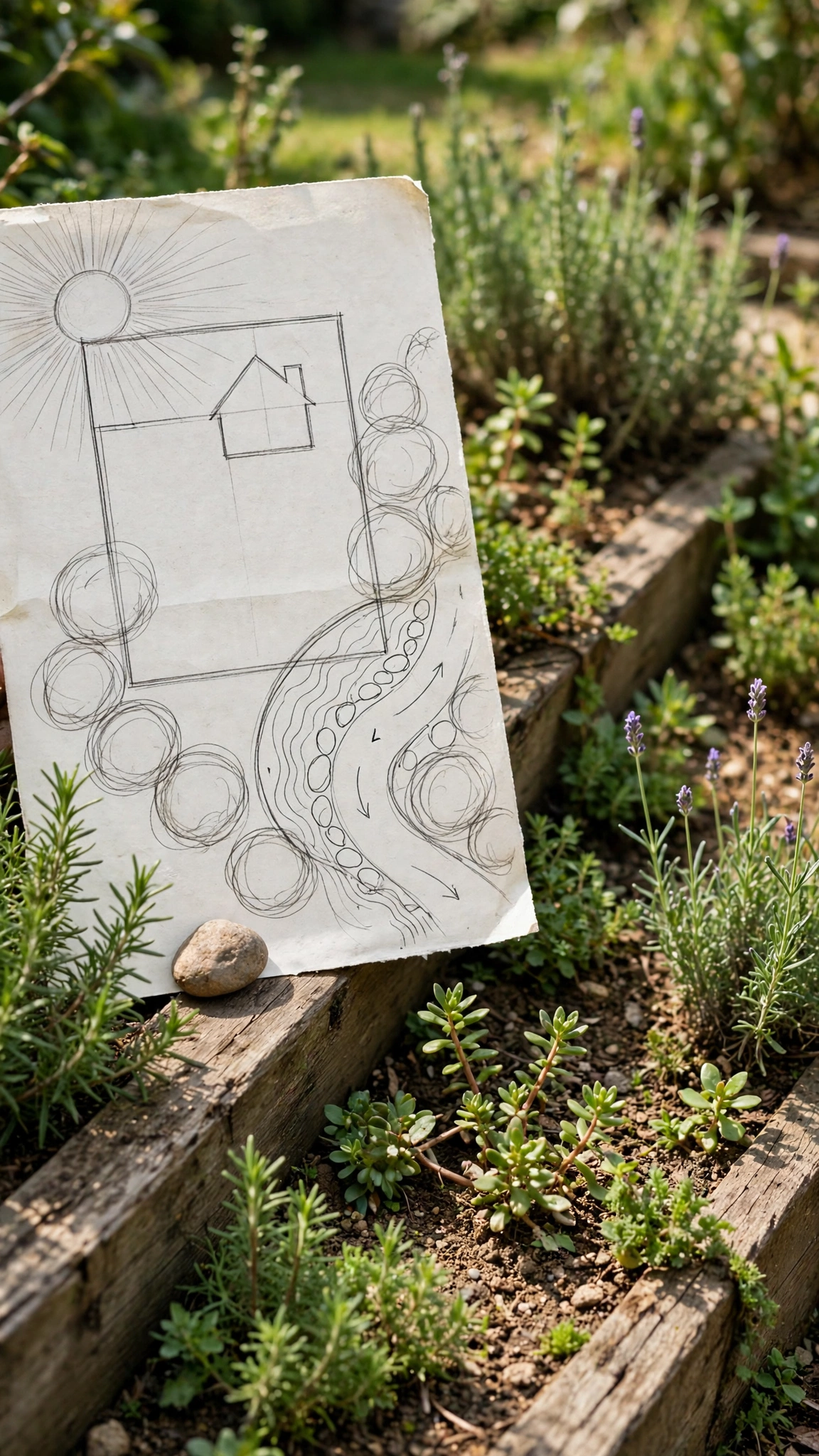
2. Map Sun, Soil and Drainage Before You Sow a Single Seed
Not every corner of a backyard receives the same amount of sunlight, and that difference can help you create a more interesting garden. Use sunny areas for flowers that enjoy full sun, while choosing shade-tolerant native species for spots beneath trees or beside buildings. Separate planting zones according to their soil moisture and drainage requirements.
A simple garden map can help you organize these areas before sowing. For example, a sunny border might feature colourful flowering plants, while a damp corner could become a small rain garden. By treating each area according to its growing conditions, you can create a varied landscape without relying on one seed mix for the entire yard.
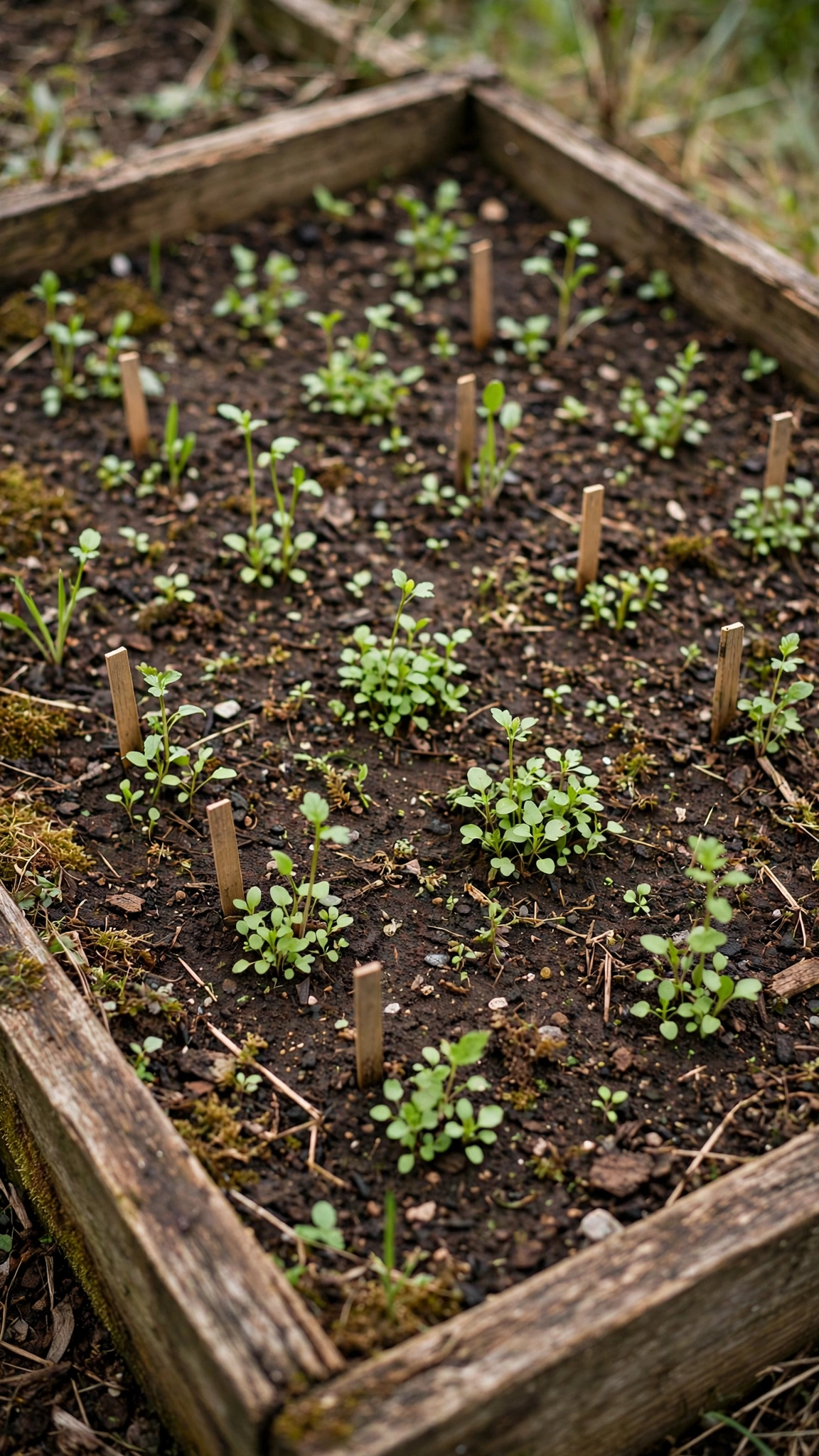
3. A Small Test Patch That Teaches You Your Yard First
One small trial patch teaches more in a season than a large conversion that disappoints. Pick a visible but manageable area, sow one mix with good seed-to-soil contact, and record what germinates, what weeds appear, and when colour arrives. That record shows the real weed pressure, bloom timing, and soil behaviour of your yard, and it lets you expand only the winners next season.
A test patch also keeps expectations honest. First-year growth is often modest, with annuals giving earlier colour while perennials build roots, and a small area is far easier to hand-weed and water through dry spells. If the trial struggles, you have learned something cheaply and can change the mix, the spot, or the preparation before committing a larger area.
- Sow one mix in the trial patch, so you can tell which species actually suit your yard.
- Record germination, weeds, and bloom dates, and expand only the species that performed well.
4. Stagger Bloom Times From First Spring Colour to First Frost
A succession plan is what keeps a wildflower garden colourful for months instead of bright for a few weeks. Combine early flowers, mid-season coneflowers and black-eyed Susans, and late asters or goldenrod where the region suits them, and draw a rough bloom calendar before sowing so each part of the season has a clear colour lead. Grasses between drifts give the bed structure while one group fades and the next takes over.
Succession also feeds pollinators for longer. Bees and butterflies need nectar across the season, beyond midsummer, so a bed with early, mid-season, and late flowers supports them from first spring colour to first frost. Leave gaps for grasses and for access, and note which species actually bloomed when in your yard, so next year’s overseeding can fill any thin weeks.

5. Design a Natural Prairie-Style Wildflower Strip
A prairie-style planting can turn a large, open backyard into a beautiful landscape filled with tall grasses and flowering plants. Choose a sunny area along a fence or garden boundary, then combine native grasses with wildflowers suited to your region. Their different heights, textures, and seed heads create a natural-looking display that changes with the seasons.
For a polished appearance, add a clearly mown border or a simple walking path alongside the planting. This gives the taller flowers a defined frame and makes maintenance easier. Remember that prairie-style gardens take time to establish, so plan for gradual growth rather than expecting a mature meadow during the first season.

6. A Pollinator Border Along a Fence, Drive or Walkway
A narrow wildflower border along a fence, driveway, or walkway gives pollinator benefits in a small, manageable footprint. Keep the strip narrow enough to weed and reach from the path, choose compact and mid-height flowers for the front, and place taller flowers behind, with a clear edge to the lawn or path. Bee balm, blanket flower, coreopsis, and wild bergamot suit many sunny borders, where the region and soil allow them.
A pollinator border is also a good beginner entry point. It is showy enough to enjoy in its first season, small enough to maintain, and easy to expand next year if the mix performs well. Place it where pollinators already visit, in sun and shelter, and avoid spraying the border, since even a small strip works best when bees and butterflies can feed undisturbed.

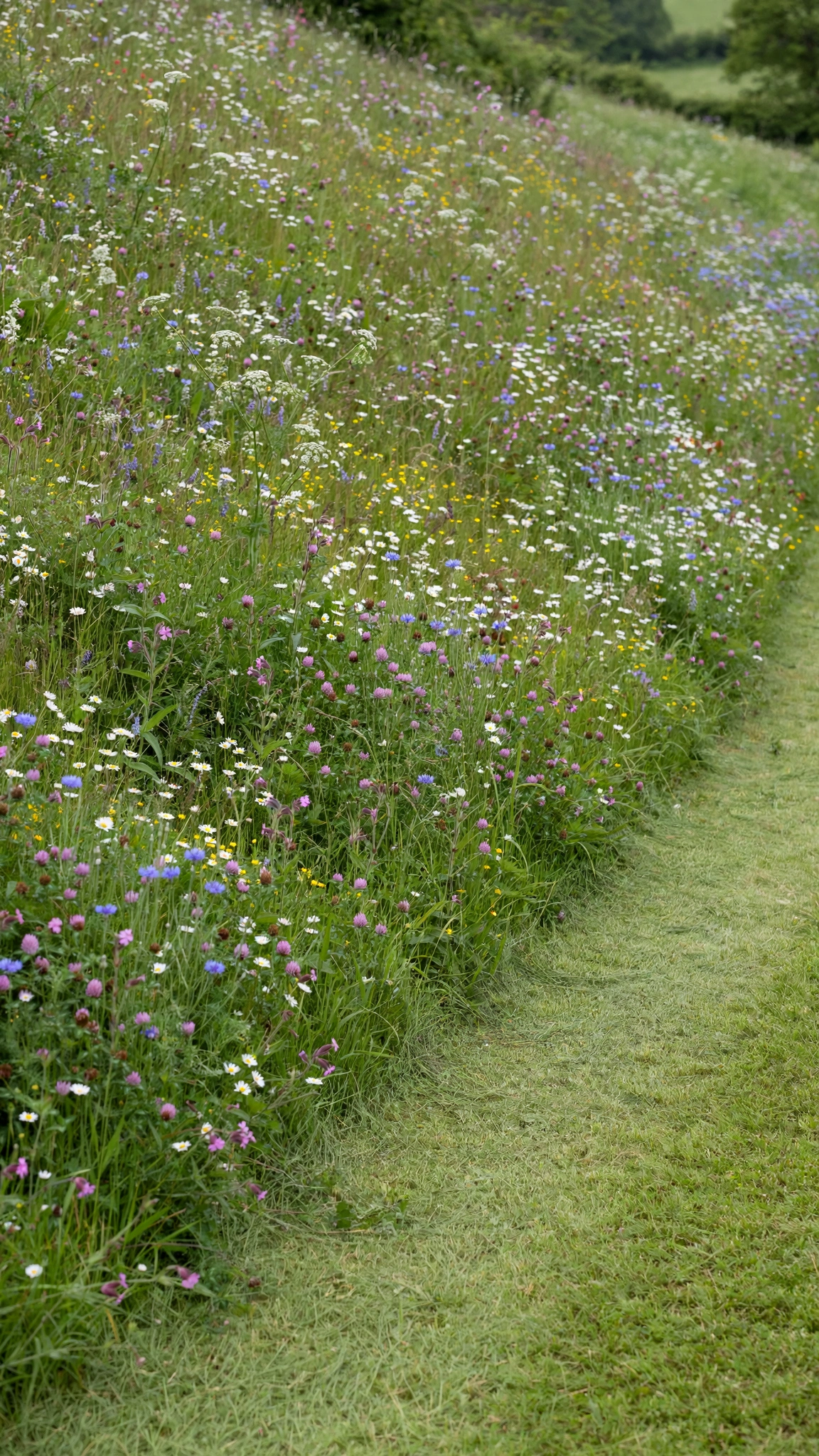
7. A Wildflower Lawn Replacement for a Hard-to-Mow Slope or Strip
Replacing lawn with wildflowers suits a problem area best: a slope that is hard to mow, a strip that is awkward to reach, or a patch rarely used for play. Clear existing grass completely before sowing, so wildflower seedlings are not choked by turf, keep a mown edge and an access path, and expect first-year weed work before the meadow fills in. A lawn replacement chosen for one problem area is far more manageable than converting a whole yard at once.
Size the replacement to the upkeep you can actually give it. A slope meadow still needs edging, path care, and seasonal cutting back, and a strip beside a shared boundary needs a tidy edge so neighbours see a designed planting. Start with the hardest-to-mow area, learn its weed pressure and bloom timing, and expand only when the first area is holding its own.
8. A Flowering Clover and Low-Grow Blend That Still Looks Tidy
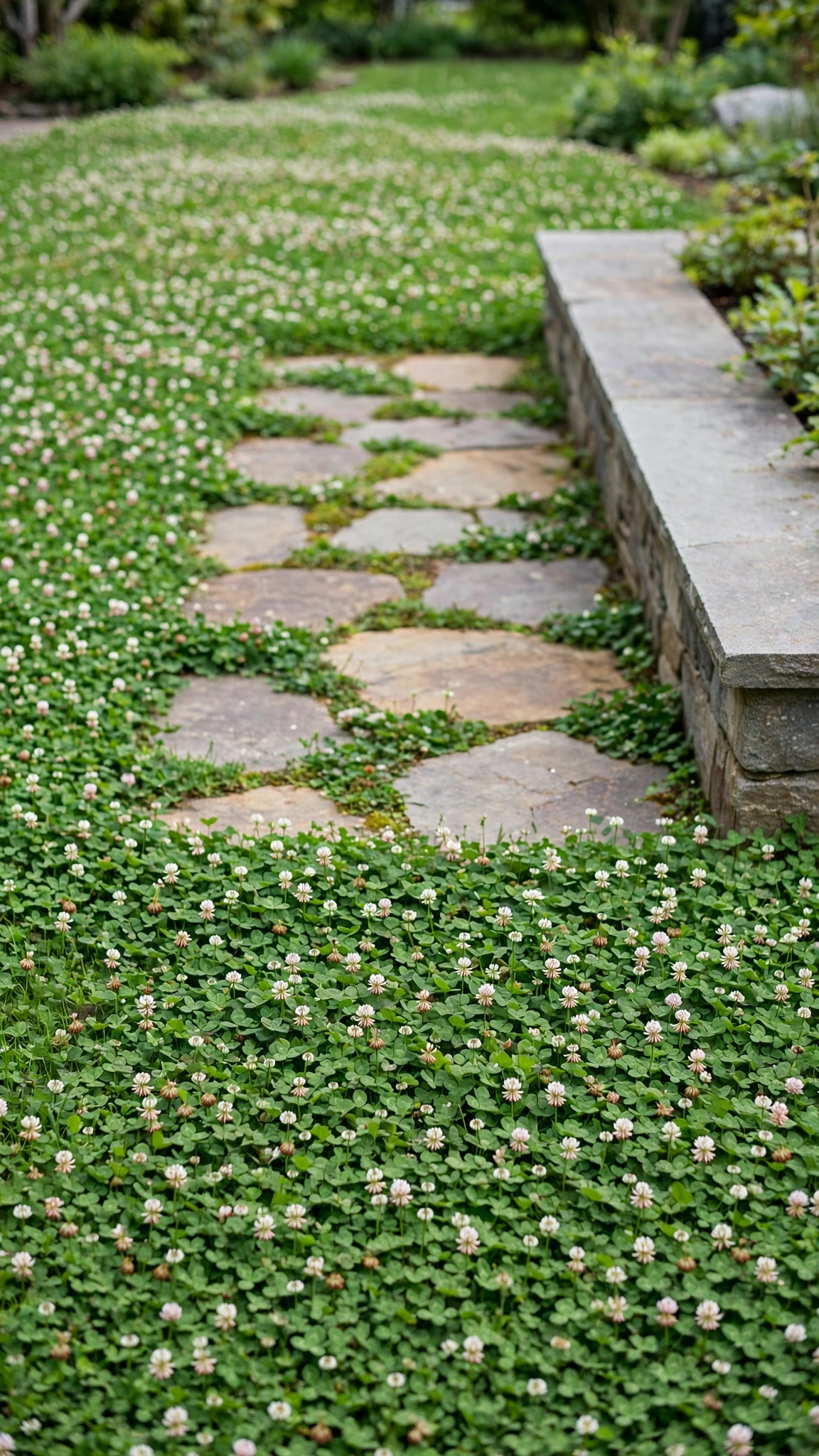
A low, walkable blend of clover, low-grow fescue, creeping thyme, and self-heal gives a meadow feel while staying tidy enough to walk on. Mow only a few times a season at the height suited to the blend, keep it clearly edged against paths, and keep it out of high-traffic play areas until established. The result is a flowering groundcover that needs far less mowing than lawn, with soft colour at ankle height.
This blend suits readers who want wildflowers without a tall meadow. It works for a front area that needs to look neat, a path edge, or a small lawn alternative where tall stems would look out of place. Choose species suited to local sun and foot traffic, water through dry spells while establishing, and accept that a low blend will never give the tall drama of a full meadow, which is exactly its advantage in a tidy yard.
9. Container and Raised-Bed Wildflowers for Patios and Small Yards
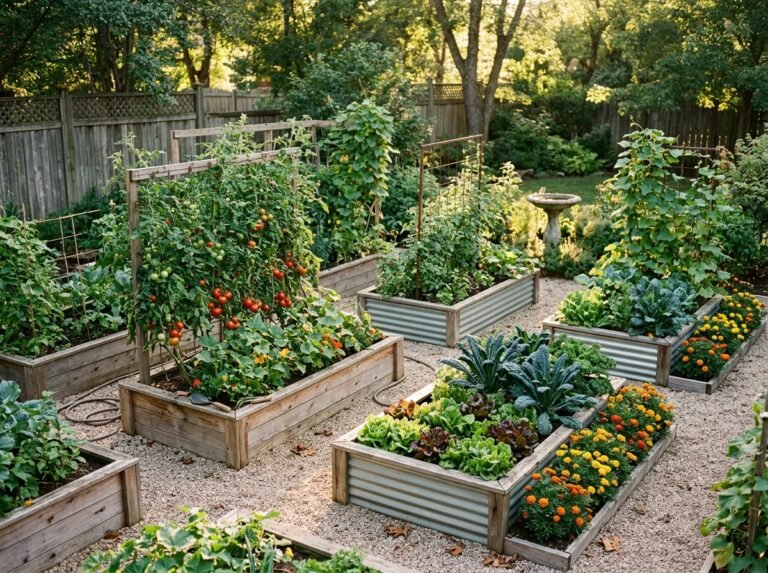
Large containers and raised beds let patios, balconies, and small yards hold real wildflowers. Use large pots for root room, free-draining soil, and a sunny spot, and choose compact varieties such as dwarf cosmos, calendula, or California poppies where the climate suits them. Pots dry faster than garden beds, so water more often in heat, and feed sparingly, since most wildflowers prefer poor soil over rich soil.
Containers also suit renters and beginners, since they can be moved, changed, and learned from in a single season. In a small yard, the same compact-zone thinking helps in narrow backyard ideas, where one well-placed planting area beats a yard full of pots. Keep containers grouped for watering, leave access for deadheading, and move delicate pots to shelter where frost is a risk.
- Use the largest pots you can manage, with drainage holes and free-draining soil.
- Water containers more often than garden beds, and group them so watering stays easy.

10. Ornamental Grasses Woven In for Structure and Winter Interest
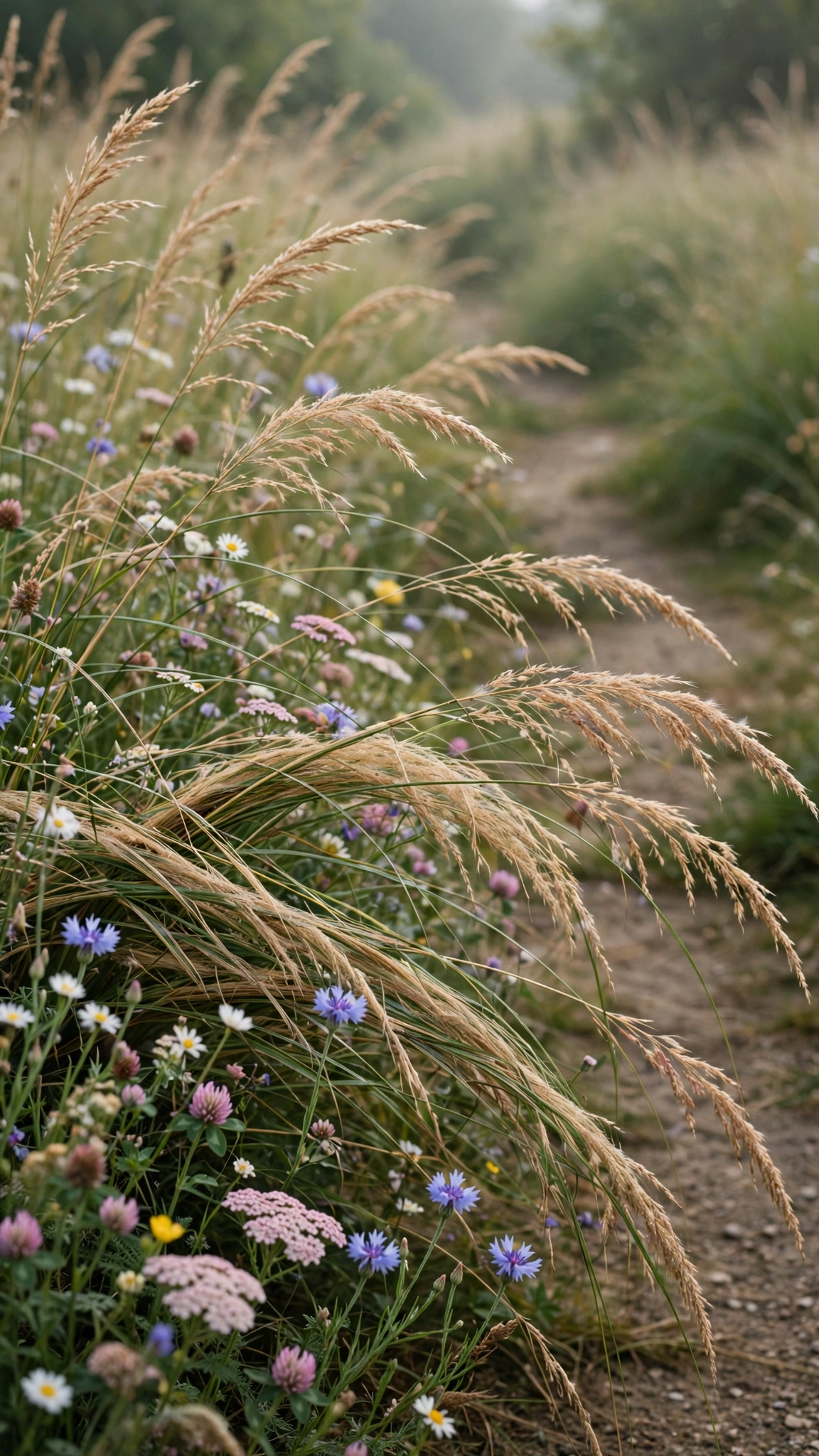
Ornamental grasses give a wildflower planting backbone, movement, and winter shape after flowers fade. Place little bluestem, prairie dropseed, or switchgrass where the region and sun suit them, keep grasses clear of paths, and leave some standing through winter for interest and soil stability. Grasses stop a midsummer bed from reading as chaotic, because their repeated shapes hold the planting together between flower drifts.
Grasses also help a wildflower garden in its quiet months. Seed heads and dried stems catch frost and low light, and their roots hold soil on slopes and edges through winter. Cut back only as the mix requires in late winter or early spring, and keep a clear record of which grasses suit each zone, so overseeding and division follow the same structure year after year.
11. A Colour-Blocked Drift, Not a Random Scatter
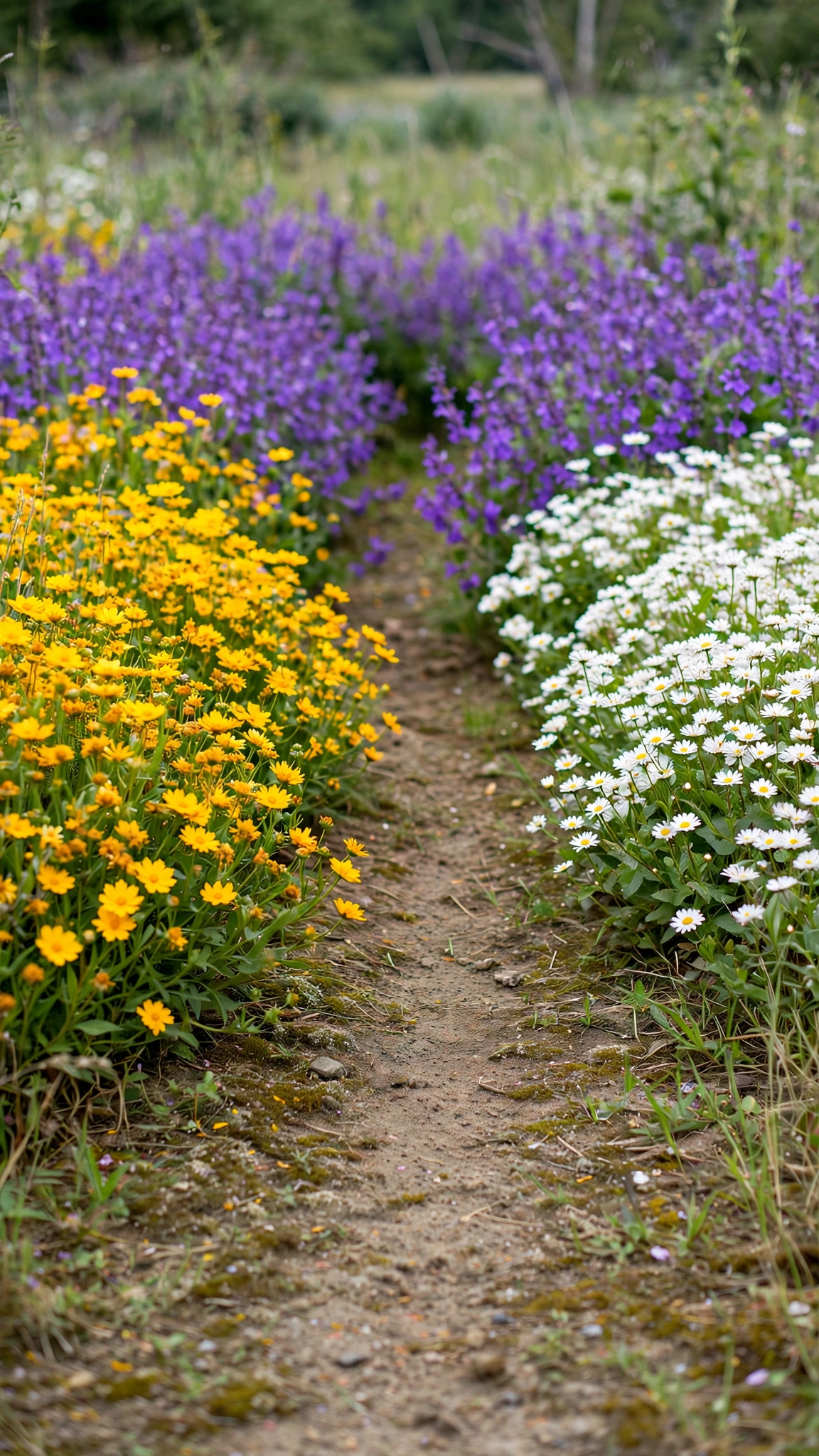
Colour-blocked drifts make a natural garden read as a designed composition. Group one colour in a loose drift, repeat it at intervals across the bed, keep heights ordered from low at the front to tall at the back, and leave breathing space between drifts. The repetition is what the eye follows, so even a wild mix of species feels intentional when one colour thread runs through it.
Plan drifts on paper before sowing, with one lead colour per area and a second colour for contrast, rather than scattering every species everywhere. A drift of gold black-eyed Susans, a drift of purple coneflowers, and a drift of white or pink flowers, separated by grasses, gives a bed rhythm that a random scatter cannot. Keep drifts loose at the edges, so they blend naturally without losing their shape.
12. A Scented Wildflower Edge Beside Seating and Paths
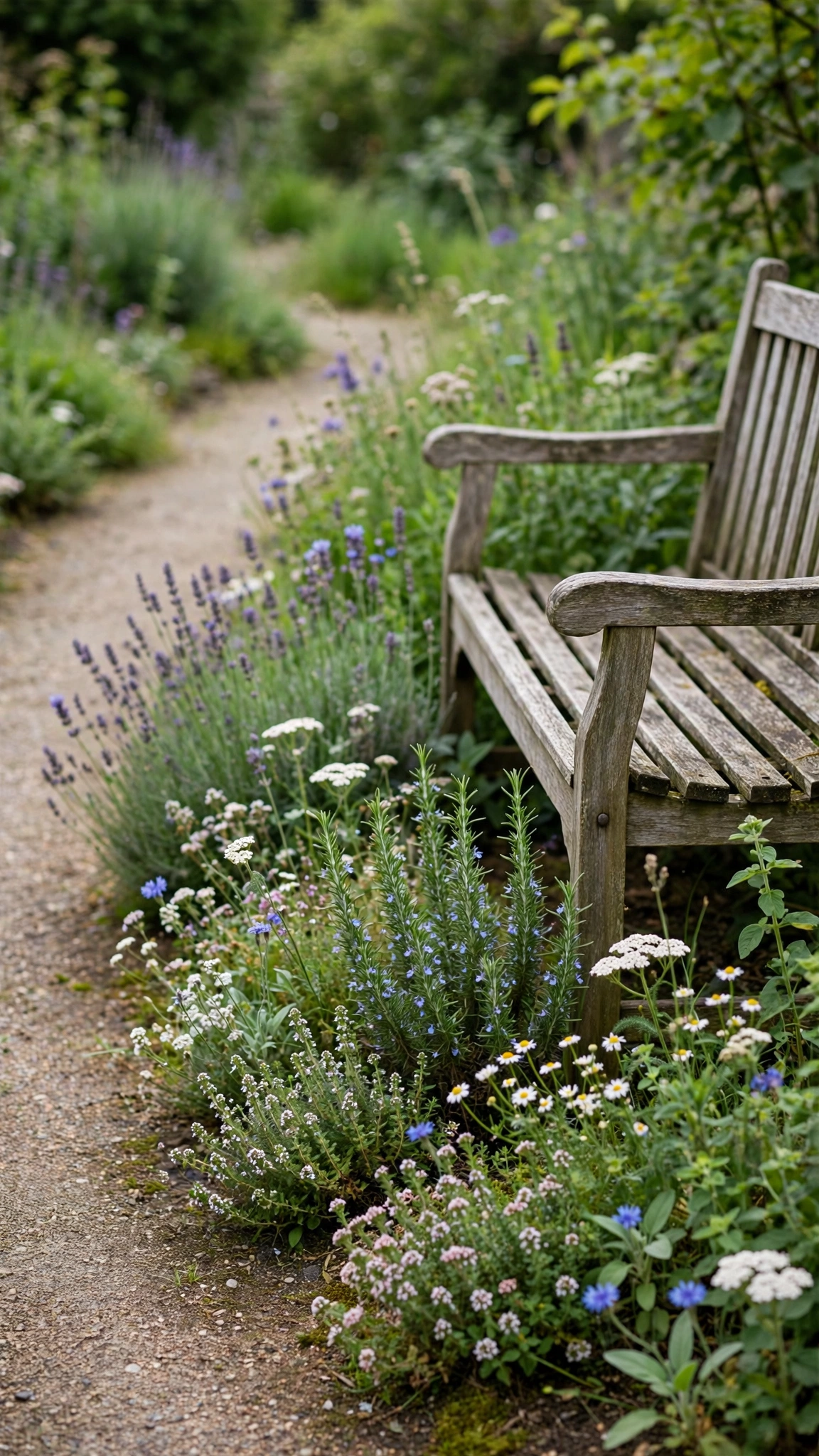
Scent works best when it is placed on purpose, at seating height and along the path to a seating zone. Choose fragrant flowers and herbs suited to sun and soil, keep the edge trimmed back from paths, and place taller scented plants behind lower ones near seating, so fragrance reaches people where they sit rather than drifting across the whole yard. A scented edge turns a wildflower garden from something viewed at a distance into something enjoyed up close.
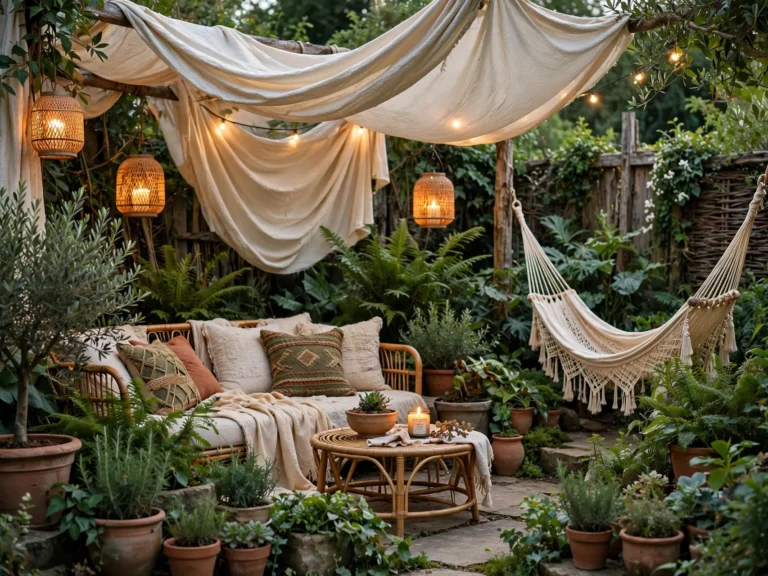
A scented seating edge pairs well with a relaxed outdoor lounge, and the planting ideas in boho garden ideas show how a scented pocket, a low lounge zone, and warm evening light work together. Keep scented planting clear of dining tables where a strong scent at close range could overwhelm a meal, and prune after flowering where that suits each species, so the edge stays neat through the season.
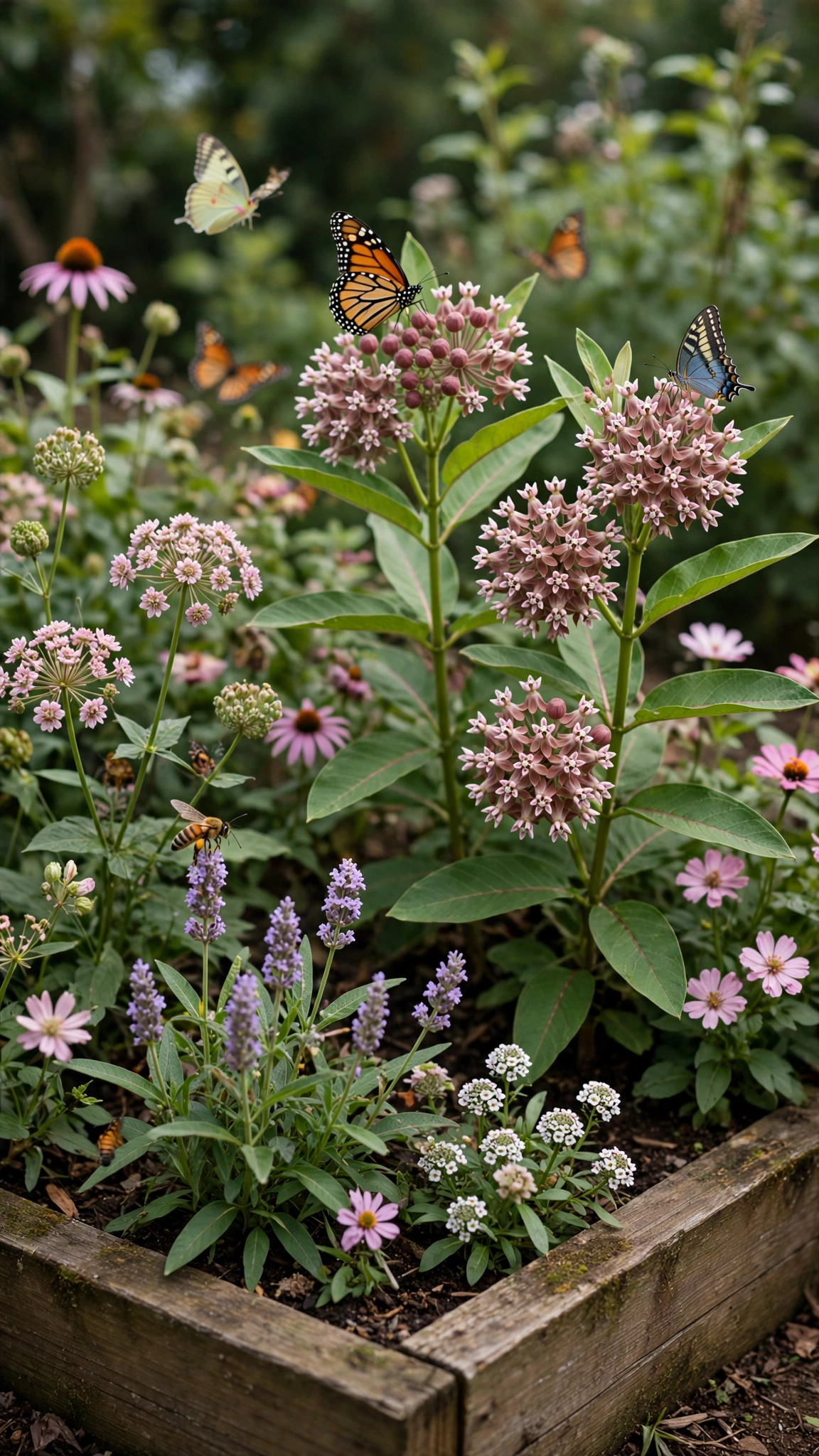
13. A Butterfly and Bee Corner With Host and Nectar Plants Together
A butterfly and bee corner pairs host plants with nectar plants, so pollinators can feed and complete their life cycle in one place. Include butterfly milkweed or a regional host where suitable, add nectar flowers with staggered bloom times, and choose a sunny, sheltered spot. The host-and-nectar pair matters, because nectar alone feeds adults while host plants give caterpillars somewhere to grow.
Protect the corner from spraying, and accept that host plants will show caterpillar damage, which is a sign the corner is working rather than failing. Leave some stems standing for shelter, keep a shallow water source nearby, and note which butterflies actually visit, so next year’s planting can favour the species that already use the yard.
14. A Bird-Friendly Seed-Head Border Left Standing Through Winter
A seed-head border left standing through fall and winter gives birds food and gives the garden winter shape. Leave seed heads on coneflowers and similar plants where suitable, cut back only in late winter or early spring as the mix requires, and keep paths clear of fallen stems. The border looks quieter than a summer meadow, but its dried heads, grasses, and frost catch light in a way that a cleared bed cannot.
Plan this border as a designed winter layer, not as neglect. Keep its front edge mown or edged, so the standing stems read as a choice, and place it where birds can be watched from a window or seating area. A seed-head border also supports self-seeding, since some seed will fall and germinate nearby, which helps next year’s colour without a full resow.

15. A Shallow Water Dish and Stone Landing Spots for Pollinators
A shallow water dish with flat stones for landing gives pollinators water safely, without the scale or risk of a pond. Keep water shallow, about one to two inches, change it every few days to avoid mosquitoes, and place stones so bees and butterflies can land and drink without falling in. Place the dish near, but not directly inside, the densest planting, so pollinators can reach it without pushing through tall stems.
Water is a small layer with a clear payoff, especially in dry spells when natural sources are scarce. Keep the dish level, clean, and topped up, and move it to a sunny, sheltered spot where it can be seen and maintained easily. A water dish works best alongside nectar planting and a host corner, so pollinators find food, water, and shelter in the same part of the yard.

16. Mown and Mulched Paths That Make a Meadow Feel Designed
Curved mown or mulched paths through a wildflower planting let readers walk through it, and they are the clearest sign that a meadow was designed. Use curved paths rather than straight ones where the space allows, keep paths wide enough to walk comfortably, and mow or top up mulch before paths become overgrown. A path gives the eye a route through tall colour, and it gives the gardener access for weeding and cutting back.
Paths also solve the neighbour problem. A meadow with a clear mown edge and a visible path reads as intentional, while the same planting without edges can look neglected from the street or a shared boundary. Keep the front of the garden tidier than the back, with a mown border and a clear path, and let the wilder planting sit behind that tidy frame.

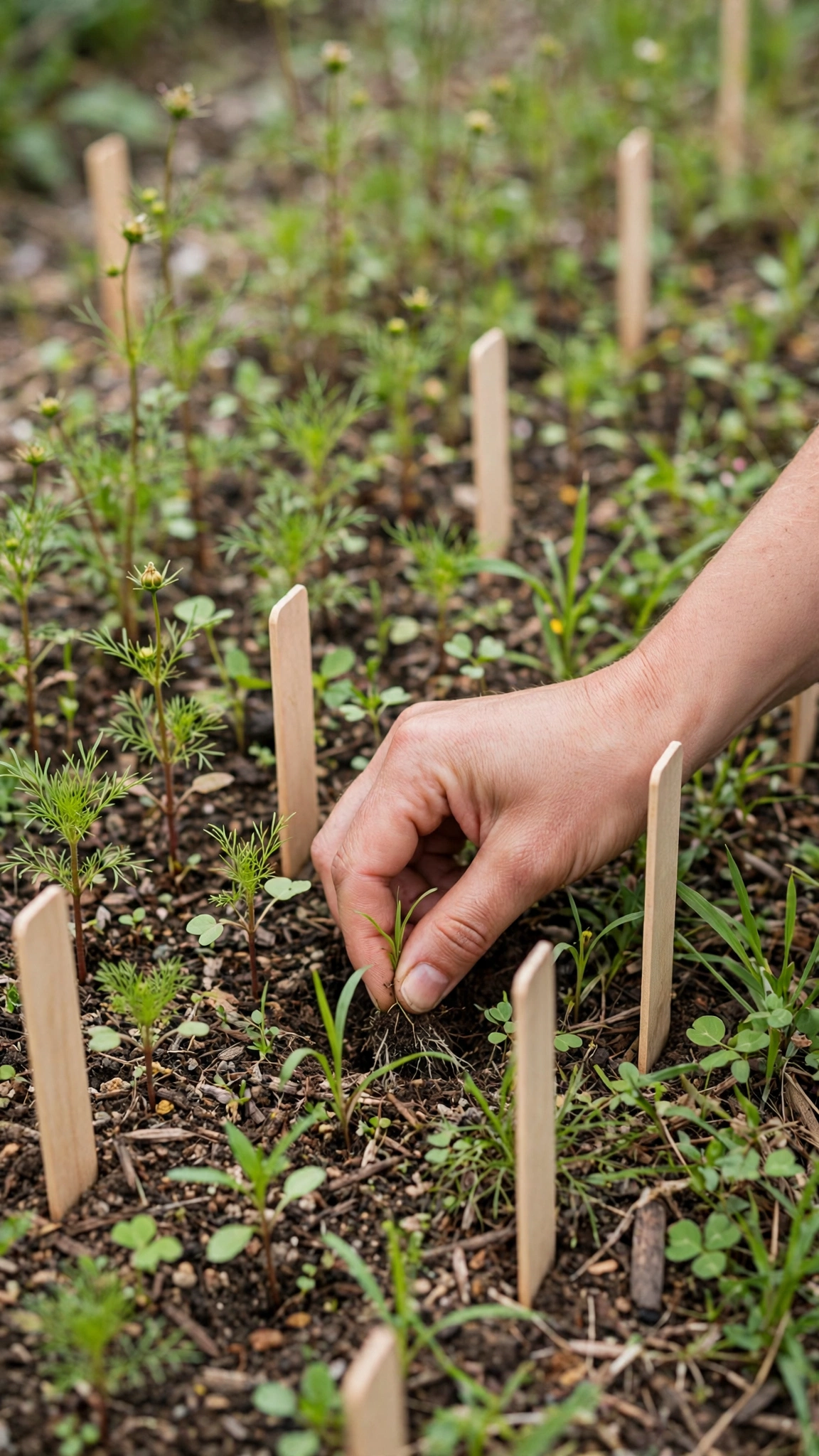
17. A First-Year Weed Plan That Protects Slow Seedlings
Year one is a weed-management year, and a clear plan protects slow wildflower seedlings from being choked out before they establish. Hand-pull weeds weekly for the first two to three months, mow the whole area to about four to six inches if weeds get ahead, water during dry spells, and resist fertilizing, since poor soil suits most wildflowers and rich soil often favours weeds and leggy growth. The work is real, but it is concentrated in the first season.
A first-year plan also sets realistic expectations. Annuals may give colour while perennials build roots, and some areas will look thin or weedy before they fill in. Mark sown areas clearly, so weeding does not pull seedlings by mistake, and keep a simple record of what was weeded and when, so the second year starts with knowledge rather than guesswork.
- Hand-pull weeds weekly for the first two to three months, before they set seed.
- Mow to about four to six inches if weeds get ahead, and skip fertilizer unless a mix says otherwise.
18. A Deadheading Split: Tidy at the Front, Wild at the Back
Deadheading only where appearance matters most gives both neatness and wildlife benefits without guilt. Deadhead front-border flowers to extend bloom and keep edges neat, and leave back-fence seed heads for birds and reseeding, noting which plants in the mix suit each treatment. Two zones with two rules are easier to maintain than one rule applied everywhere, and they suit yards where the front must look tidy while the back can stay wilder.
This split also keeps colour going where it is seen most. Front borders benefit from repeat bloom after deadheading, while back meadows benefit from seed heads that feed birds and drop seed for next year. Keep tools and a small bucket at the front border, so deadheading becomes a short, regular habit rather than a large seasonal job.
19. Fall Overseeding for a Fuller Meadow Next Spring
A light overseeding each fall fills bare patches and keeps density up without starting over. Scatter seed in fall before frost where the region suits it, so winter cold helps seeds that need it, and focus on bare or thin patches rather than the whole bed. Fall overseeding is a short annual habit with a disproportionate spring payoff, because seed sown in fall is already in place when spring growth begins.
Overseeding works best when it follows the yard map from the first year. Sow the species that performed well in each zone, keep seed-to-soil contact by raking lightly or pressing seed in, and mark overseeded patches so spring weeding does not disturb them. Over several years, this habit builds a denser, more reliable meadow than a single sowing, with less bare ground for weeds to colonise.
20. A Wildflower Cutting Patch for Indoor Bouquets
A small cutting patch grown specifically for picking keeps indoor bouquets from stripping the main meadow or border. Sow tall, sturdy flowers in rows or a small bed with path access, cut in the morning, and leave enough stems for pollinators and reseeding. A cutting patch is a separate job, with repeat-cut flowers chosen on purpose, so the main garden keeps its colour while the kitchen table gets fresh flowers.
Choose cutting flowers suited to the region and soil, and keep the patch accessible for regular picking, since cutting often encourages more blooms. Leave a share of stems uncut for bees, butterflies, and birds, and rotate or overseed the patch each year to keep it productive. A cutting patch also teaches bloom timing quickly, because regular picking shows which species recover fastest.
21. A Rain-Garden Hollow and a Shade Pocket for Tricky Corners
Tricky corners become planting opportunities when they are matched to species that suit them. For a damp corner, use moisture-tolerant wildflowers in a rain-garden hollow, and keep water moving safely away from buildings and paths, so the hollow holds water briefly without flooding. For shade, use shade-tolerant natives, keep colour expectations modest, and add grasses and foliage for structure where flowers will be fewer.
Both corners need honest expectations. A rain-garden hollow will not suit a sunny meadow mix, and a shade pocket will never give the tall colour of a sunny border, but both can look designed with clear edges, foliage structure, and a few well-chosen flowers. Keep paths clear around both, check drainage after heavy rain, and treat these corners as separate zones on the yard map, so overseeding and care follow their own rules.
How to Choose the Right Wildflower Garden Setup
Choose by your main use first, then by yard size, sun, and soil. A reader who wants pollinators should start with a border and a butterfly corner, while a reader who wants a lawn replacement should start with one problem slope or strip, and a reader who wants flowers to cut should start with a small cutting patch. A small yard suits a border, containers, and a test patch, while a larger yard can hold a prairie strip, a meadow, and separate wildlife layers without crowding paths.
Build in a gradual order that fits your budget and upkeep. Start with the yard map and a test patch, add a border or meadow next, then add paths, wildlife layers, and a cutting patch over a season. Check drainage, mowing access, and storage for tools at each step, and keep one colour thread and one or two repeated grasses across zones, so new layers feel like part of the same garden.
Common Wildflower Garden Mistakes to Avoid
Sowing a generic mix is the most common wildflower mistake, because a mix that ignores region, soil, and sun will fail in exactly the spots where it was most wanted. Skipping soil preparation is close behind, with seed sown onto turf or thick mulch failing to make seed-to-soil contact, and ignoring first-year weeds is another costly error, since slow seedlings are easily choked before they establish. Expecting a full meadow in year one also causes disappointment, when perennials are still building roots.
Leaving a meadow with no paths or edges causes a different problem, since a natural planting without structure can look neglected and draw complaints from neighbours. Keep paths and mown edges clear, check shared boundaries before converting a front area, and leave storage space for tools and seed before buying more mixes. A wildflower garden should feel natural, but the structure underneath it still needs to be planned, edged, and maintained.
FAQS
When is the best time to plant a wildflower garden?
Timing depends on region and seed type, so check the mix label and local frost dates before sowing. Fall sowing suits many seeds that need a cold period, while spring sowing suits other species once frost risk has passed, and a regional mix label usually gives the clearest timing for its species.
How long do wildflowers take to establish?
Expect a weed-management first year with modest colour, stronger growth in year two, and a fuller meadow by year three for many perennials. Annuals in the same mix often give earlier colour in the meantime, so a mixed sowing can look rewarding while slower perennials build roots and return more strongly each year.
Do wildflowers need rich soil or fertilizer?
Most wildflowers prefer poor, well-drained soil over rich soil, and added fertilizer often favours weeds and leggy growth. Clear weeds, keep soil bare for good seed contact, and skip compost and fertilizer unless a specific mix says otherwise, since rich soil can work against the flowers you want.
How do I stop a wildflower garden from looking like weeds?
Use clear edges, a mown border, and paths, keep the front tidier than the back, and remove obvious weeds in year one. A planting with a visible edge, a curved path, and a clear boundary reads as designed rather than neglected, even when the flowers themselves grow in a loose, natural shape.
Can I grow wildflowers in containers or a small yard?
Yes, use large pots or raised beds with compact varieties, good drainage, and enough root room, and choose a sunny spot with regular watering. Pots dry faster than garden beds, so check moisture often in heat, and group containers together to make watering, deadheading, and moving pots for frost much easier.
How much watering and mowing does a wildflower meadow need once established?
Established native plantings usually need less watering than lawn, with watering mainly in dry spells, and mowing mainly as a seasonal cut or path maintenance. Exact timing depends on the mix and region, so follow the mix label and your yard map, and keep paths mown even when the meadow itself is left to grow.
Will wildflowers come back every year?
Perennials return from roots, annuals return only by reseeding, and many mixes combine both, so return behaviour depends on the species in your mix. Light fall overseeding and leaving some seed heads standing helps keep colour returning without starting over, especially where annuals are an important part of the planting.
Final Thoughts
A beautiful wildflower garden doesn’t need to cover your entire backyard or require complicated landscaping. You can begin with a colourful border, a few large containers, a pollinator corner, or a small meadow-style planting and gradually build a garden that suits your outdoor space.
Focus on choosing suitable plants, understanding your soil and sunlight, and adding simple features such as defined edges and garden paths. With thoughtful planning and seasonal care, your wildflower garden can become a colourful, welcoming space that looks natural while supporting local wildlife.
2 Comments