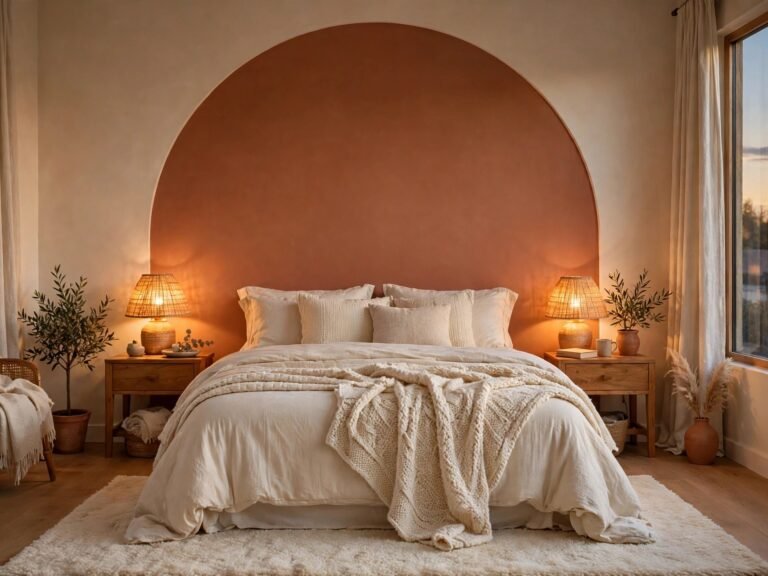

17 New Year Bedroom Refresh Ideas for a Calm and Clutter-Free Space
Your bedroom should feel like a comfortable place to begin and end each day. But after the busy holiday season, it can start to feel cluttered, dull, or in need of a little attention. A few thoughtful updates can make the space feel fresher without turning the project into a full renovation.
These New Year bedroom refresh ideas focus on practical changes that work in different room sizes and budgets. You can start with fresh bedding, improve the lighting, create better storage, or add a personal decorative touch. You do not have to change everything at once. Choose the updates that solve the biggest problems in your room and build from there.
Best New Year Bedroom Refresh Idea at a Glance
If you are unsure where to begin, start by clearing clutter and making the bed feel more inviting. These two changes can make a noticeable difference before you spend money on anything else.
Next, look at the room’s colours and lighting. A balanced palette of two or three related shades helps the space feel coordinated, while warm bedside lighting makes evenings more relaxing. Once these basics are in place, you can add artwork, plants, storage, and other details that reflect your style.
1. Start With a Deep Declutter
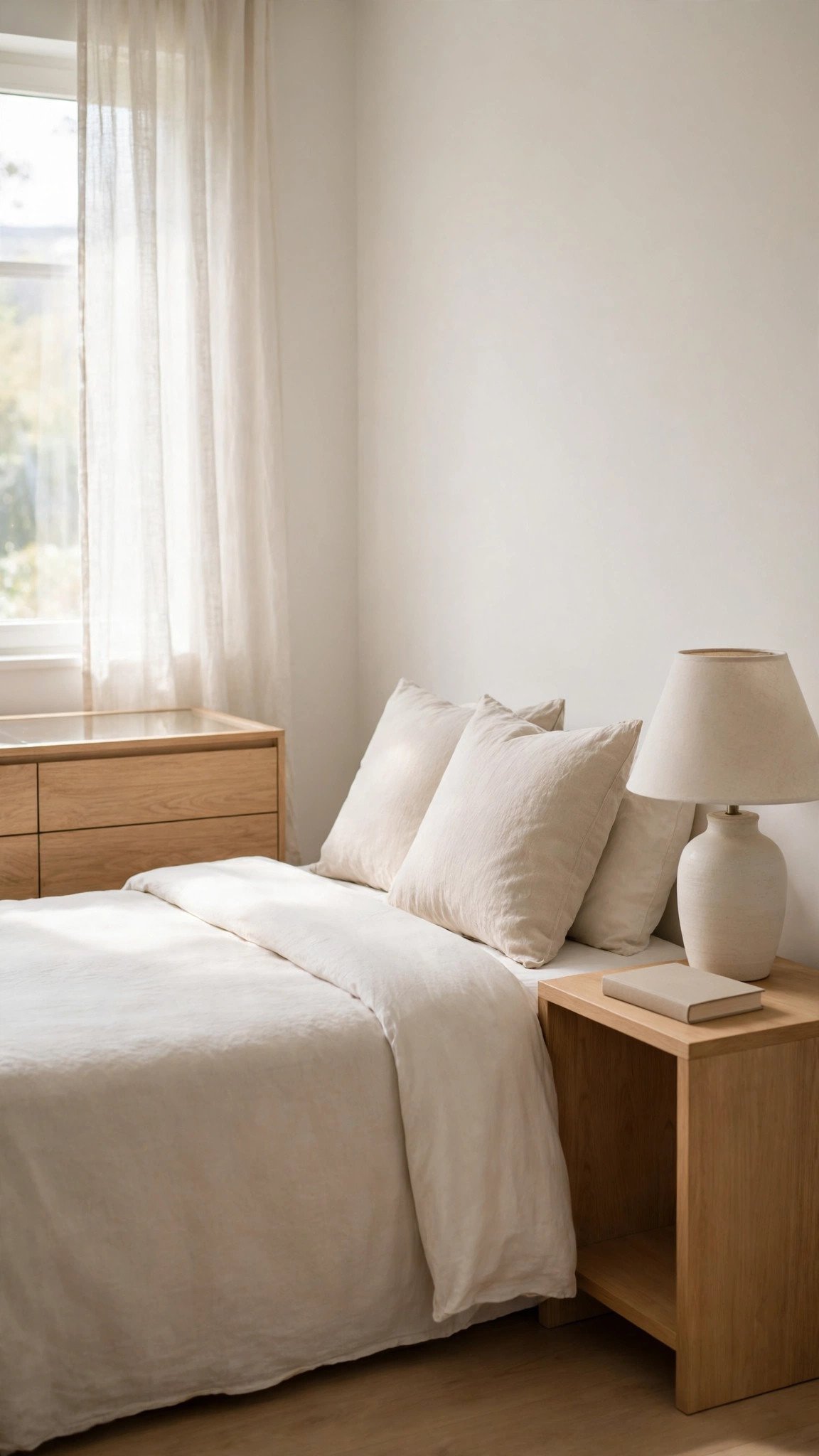
Before buying new decor, give your bedroom a proper clear-out. Clothes on chairs, unused products on the dresser, and random items on the nightstand can make even a beautifully decorated room feel messy. Removing these distractions gives the furniture and decor more room to stand out.
Work through the room one area at a time. Use three bags or boxes: one for items to keep, one for things that belong somewhere else, and one for donations or disposal. Clear the nightstand and dresser first, then sort through drawers, wardrobes, and under-bed storage. Avoid pulling everything out at once if you do not have time to finish the job.
Once you have sorted everything, give frequently used items an easy-to-reach home. Keep everyday accessories in a small tray, store spare bedding in a labelled box, and use hooks for bags or tomorrow’s outfit. A simple organisation system makes it easier to keep the room tidy after the refresh.
Practical tip: Take a photo before you start and another when you finish. The difference can help you decide which area needs attention next.
2. A Soft Neutral Colour Palette
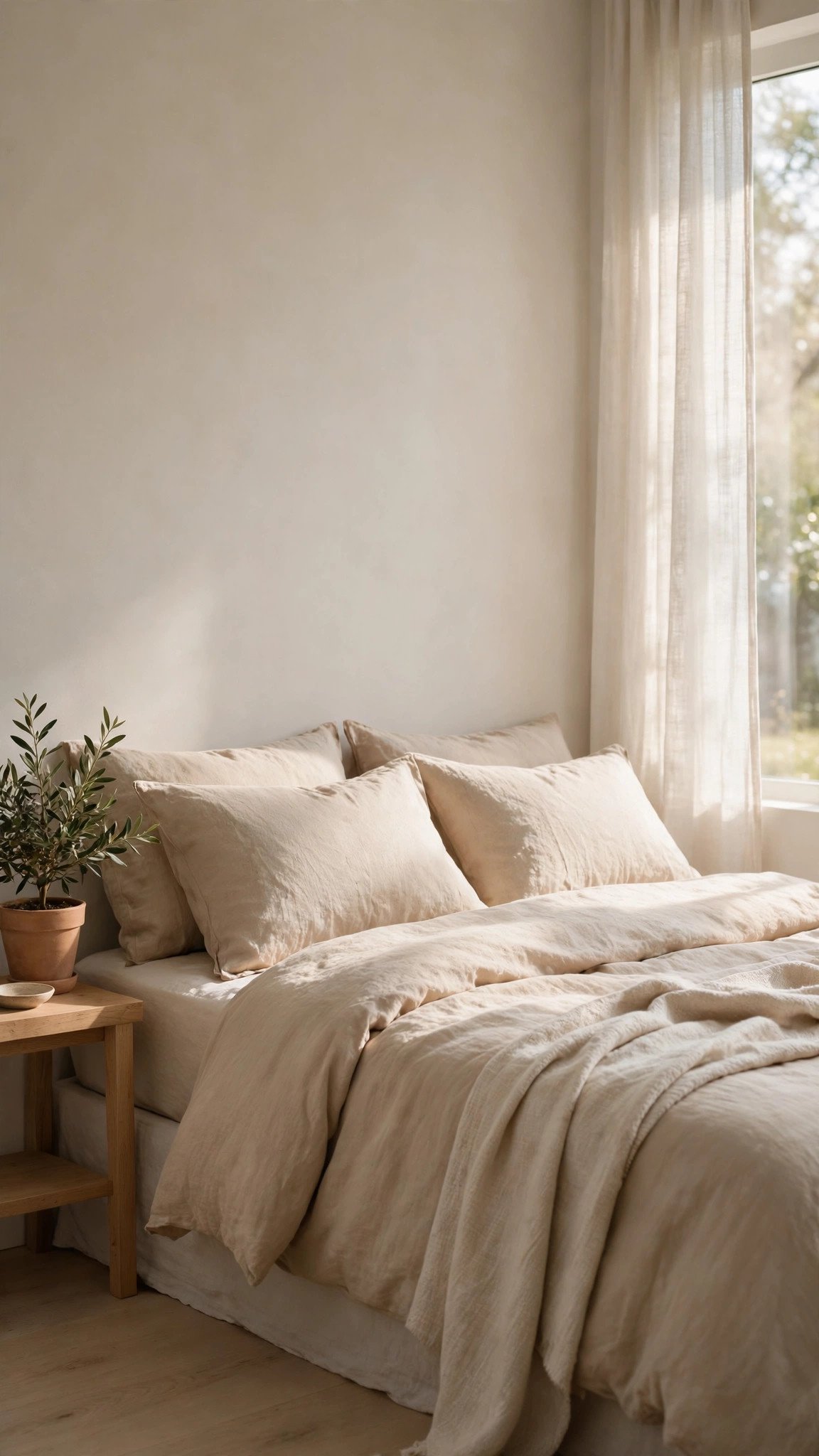
A fresh colour palette can change the mood of a bedroom without requiring new furniture. Warm white, soft beige, greige, and light grey create a relaxed background, while sage green, dusty blue, or muted terracotta add colour without making the room feel too busy.
You do not need to use the same shade everywhere. Try a lighter colour on the walls, a slightly deeper tone in the bedding or curtains, and one accent shade in cushions or a throw. This combination adds depth while keeping the overall look connected.
If you plan to repaint, test a sample on the wall before committing. Colours can look different in daylight and under artificial lighting. For a no-paint update, bring the palette together through textiles, lampshades, artwork, and decorative accessories.
Practical tip: Choose one item you already own, such as a rug or cushion, and use its colours as the starting point for the rest of the room.
Also check 18 New Year Home Decor Ideas to Give Your Space a Fresh Start in 2027
3. Fresh White Bedding Layers
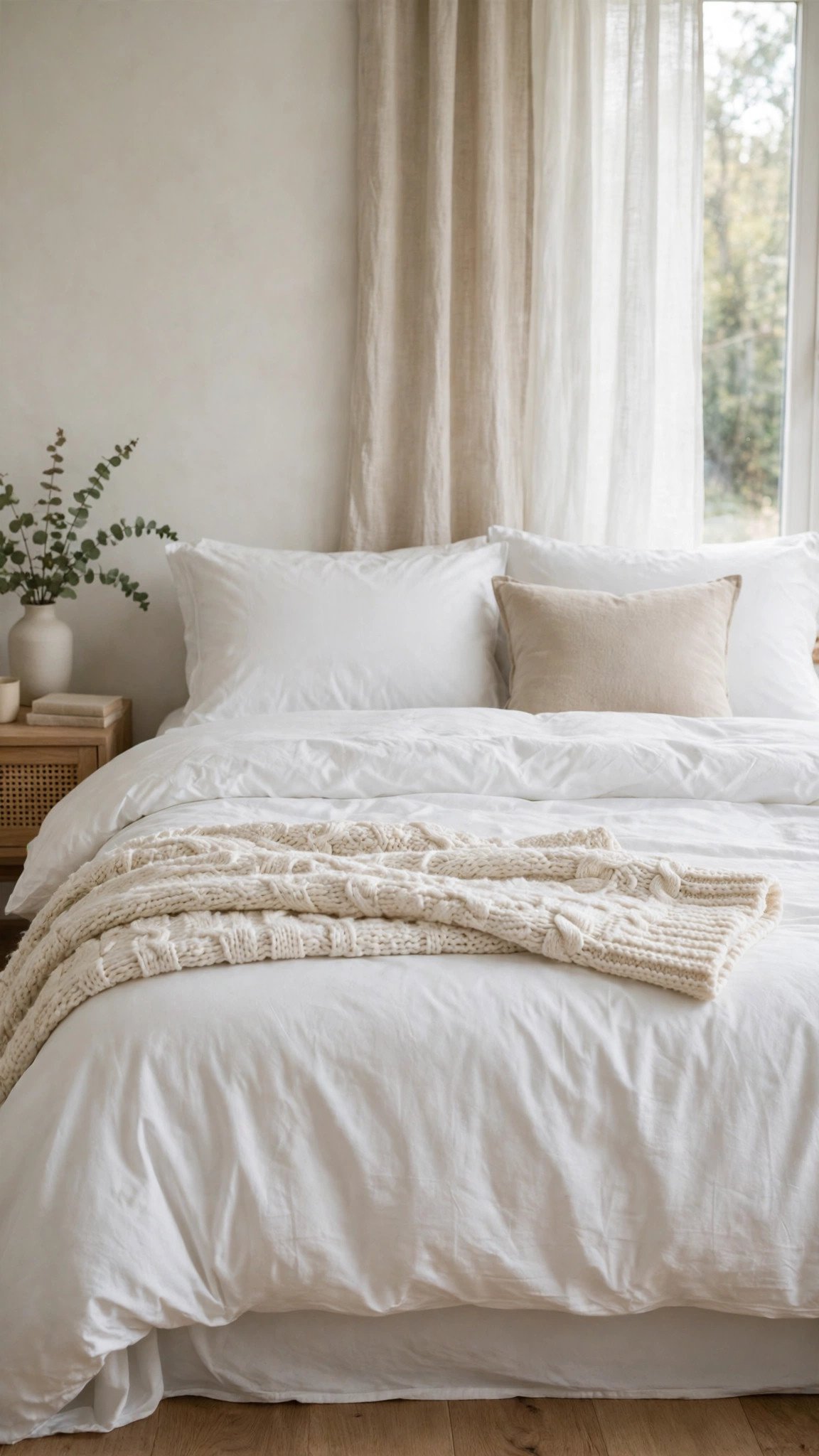
The bed usually takes up the largest visual area in a bedroom, so changing its bedding can make the whole space feel refreshed. Fresh sheets, a coordinated duvet cover, and a textured throw create a more inviting look without replacing the bed frame or other furniture.
Start with comfortable sheets in cotton or linen, then add a duvet cover or coverlet that suits your colour scheme. Fold a knitted or waffle-textured throw across the foot of the bed to introduce another layer. Two or three cushions in different fabrics can add interest, but avoid piling on so many that making the bed becomes inconvenient.
Think about comfort as well as appearance. Breathable fabrics are useful if you tend to sleep warm, while a heavier throw can provide extra warmth during colder months. Choose bedding that is easy to wash and maintain, especially if you want the refreshed look to last.
Practical tip: If new bedding is outside your budget, wash and neatly arrange the set you already own, then add one contrasting cushion or throw for a small update.
4. Layered Lighting for Calm Evenings

A single overhead light can make a bedroom feel harsh, particularly in the evening. Layered lighting gives you more control over the atmosphere and makes different activities easier, from getting dressed to reading before bed.
Begin with the main ceiling light, then add bedside lamps for reading or winding down. A small table lamp on a dresser or a low-level accent light can brighten a darker corner. Warm white bulbs around 2700K often create a softer evening atmosphere than cool daylight bulbs.
Pay attention to where the light falls. A bedside lamp should illuminate your book without shining directly into your eyes. If you share the room, individual reading lamps can also be more practical than relying on one central light.
Practical tip: Use lamps with separate switches so you can turn off the main light and keep a softer glow when you are ready to relax.
5. A Statement Headboard Refresh
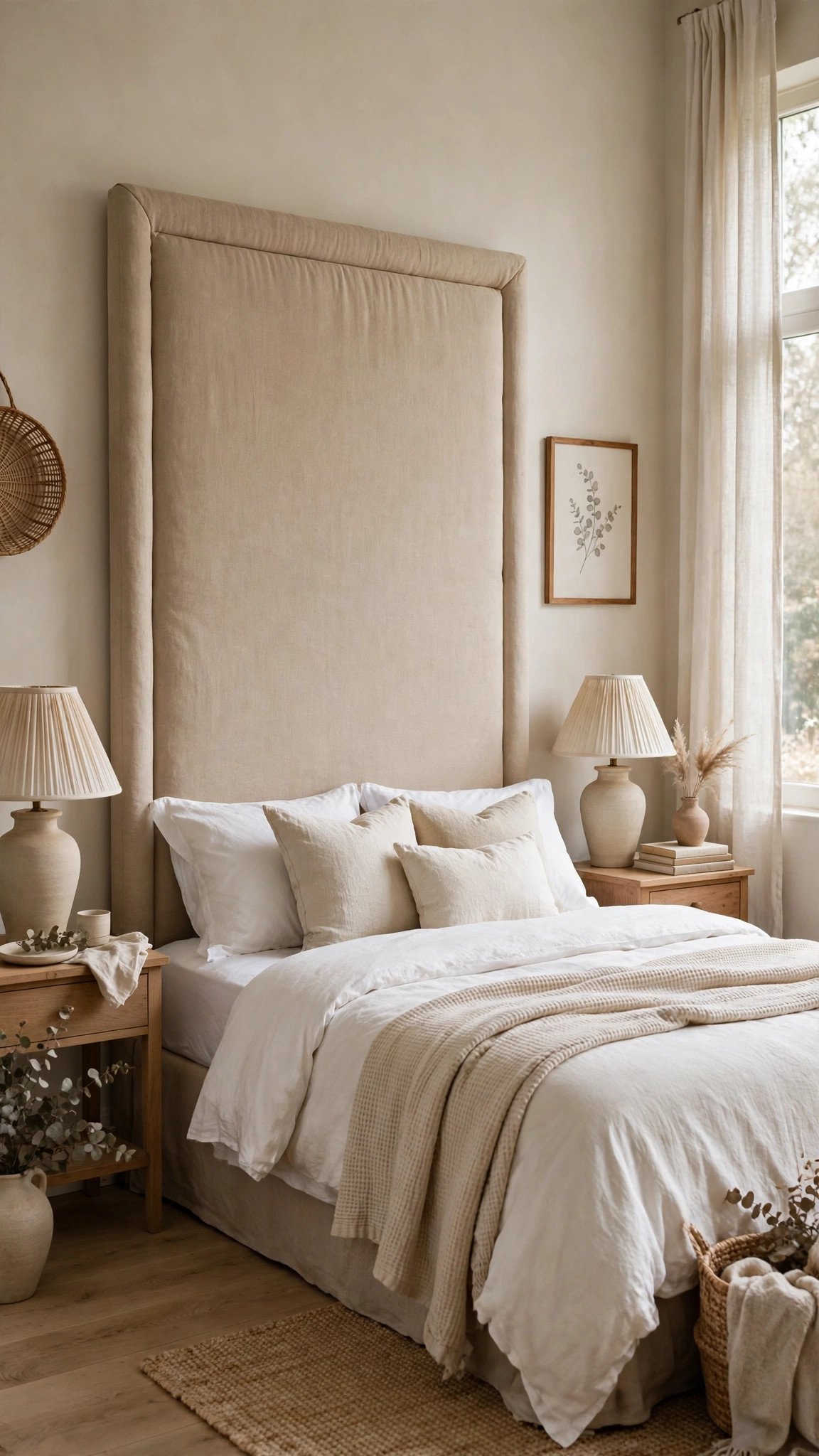
A headboard can make a plain bed feel more finished and give the bedroom a clear focal point. Upholstered designs add softness, while natural wood brings warmth. Rattan and cane suit relaxed interiors, and darker wood or leather-look finishes can create a more traditional feel.
Choose a size that looks balanced with your mattress and the wall behind it. A headboard that is too narrow can look disconnected from the bed, while an oversized design may overwhelm a small room. Check the fixing instructions and make sure the headboard is securely attached before using it.
You do not have to buy a completely new bed to create this effect. A simple upholstered panel, a reclaimed wooden board, or a painted shape behind the bed can provide visual interest at a lower cost. Renters can consider removable wall decor or a freestanding headboard that does not require permanent changes.
Practical tip: Keep the bedding relatively simple if your headboard has a strong pattern, colour, or texture. This allows the feature to stand out.
6. One Calm Accent Wall

An accent wall adds character without requiring you to repaint the entire bedroom. The wall behind the bed is often a natural choice because it frames the main furniture and gives the room a clear point of focus.
For a deeper look, consider navy, forest green, muted terracotta, or a warm charcoal. If you prefer a lighter style, subtle patterned wallpaper, vertical wood slats, or simple panel moulding can add texture without introducing a strong colour. Removable wallpaper is another option for renters, provided the product is suitable for the wall surface.
Before choosing a dark shade, consider how much natural light the room receives. A deep colour can look attractive in a bright bedroom but may make a small, dim space feel heavier. Test a sample at different times of day so you can see how it changes.
Practical tip: Keep the other walls and larger furnishings fairly simple. One well-planned feature wall is usually enough to create the effect.
7. A Cozy Reading Corner

An unused corner can become a comfortable reading spot with just a few carefully chosen pieces. A small armchair, a warm lamp, and a side table are often enough to make the area feel intentional rather than like leftover space.
If possible, position the chair near a window to make use of natural daylight. Add a floor lamp or table lamp for evening reading, and keep a small basket nearby for books, magazines, or a spare throw. A compact stool can work as a side table when there is not enough room for a larger piece.
In a small bedroom, you do not need a full armchair. A cushioned chair, a floor cushion, or a built-in window seat can create a similar spot without taking up too much floor space.
Practical tip: Measure the corner before buying furniture and leave enough room to pull the chair out comfortably.
8. Floating Shelves, Styled Loosely
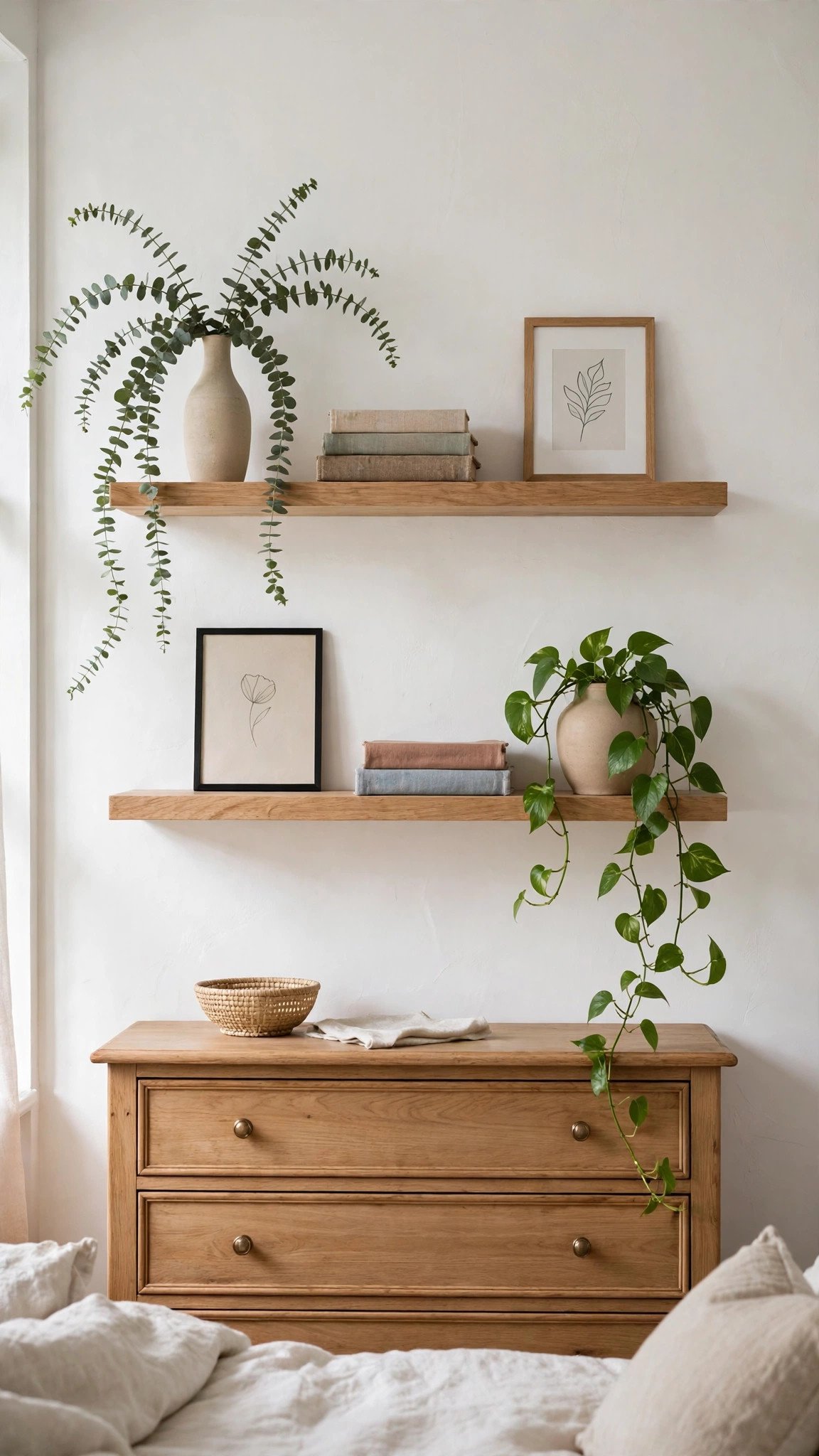
Floating shelves make use of wall space that might otherwise remain empty. They can hold books, framed photographs, small plants, and a few decorative objects without taking up floor space.
Choose a finish that works with the rest of the room. Natural wood shelves bring warmth to neutral walls, while white or black shelves can blend into the background or create a subtle contrast. Before installing them, check the wall type and use suitable fixings rated for the weight you plan to place on each shelf.
When styling, mix objects of different heights rather than lining up identical items. A small stack of books, a framed print, and a plant can create a balanced arrangement. Leave some open space so the shelves do not become another place where clutter collects.
Practical tip: Avoid placing heavy objects above the bed unless the shelves are securely installed and positioned safely.
9. Fresh Greenery by the Bed

Plants add colour and natural texture to a bedroom. A taller plant can fill an empty corner, while a small potted plant can brighten a dresser or windowsill. Trailing varieties also work well on shelves where their leaves can soften straight lines and hard edges.
Choose plants according to the light in your room. Pothos and snake plants are often suitable for lower-light spaces, although all plants still need appropriate care. Check the soil before watering rather than following a fixed schedule, and use pots with drainage to help prevent water from collecting around the roots.
If you have pets, check whether a plant is safe for them before bringing it indoors. You can also choose a good-quality artificial plant if natural light or maintenance is a problem.
Practical tip: Start with one or two plants and learn how they respond to your room’s conditions before adding more.
10. A New Rug Beside the Bed
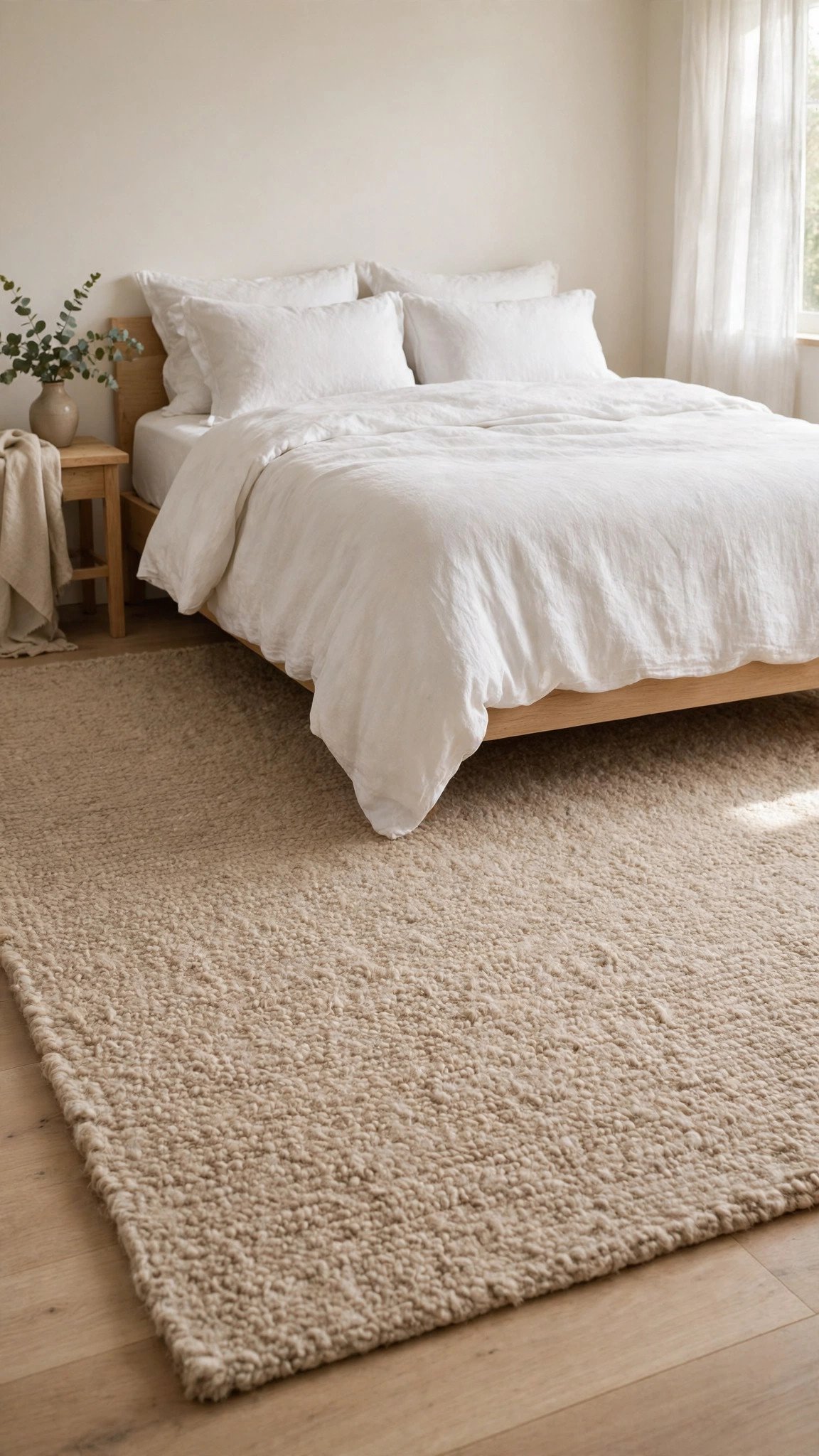
A bedroom rug adds softness underfoot and helps connect the bed with the surrounding furniture. It can also introduce a pattern or accent colour without changing the walls or larger pieces.
The right size depends on your bed and room layout. For many queen-size beds, an 8-by-10-foot rug can work well when there is enough floor space, but smaller rooms may need a different arrangement. The rug should extend far enough beyond the sides or foot of the bed to be useful when you step down. Measure the available floor area before ordering.
Consider the material, too. A low-pile rug or flatweave is often easier to vacuum and maintain than a deep shag style. If the rug sits on a smooth floor, use a suitable non-slip rug pad to help keep it in place.
Practical tip: Mark the proposed rug dimensions on the floor with painter’s tape. This gives you a better idea of how much space it will cover before you buy it.
11. Stylish Nightstands, Kept Clear
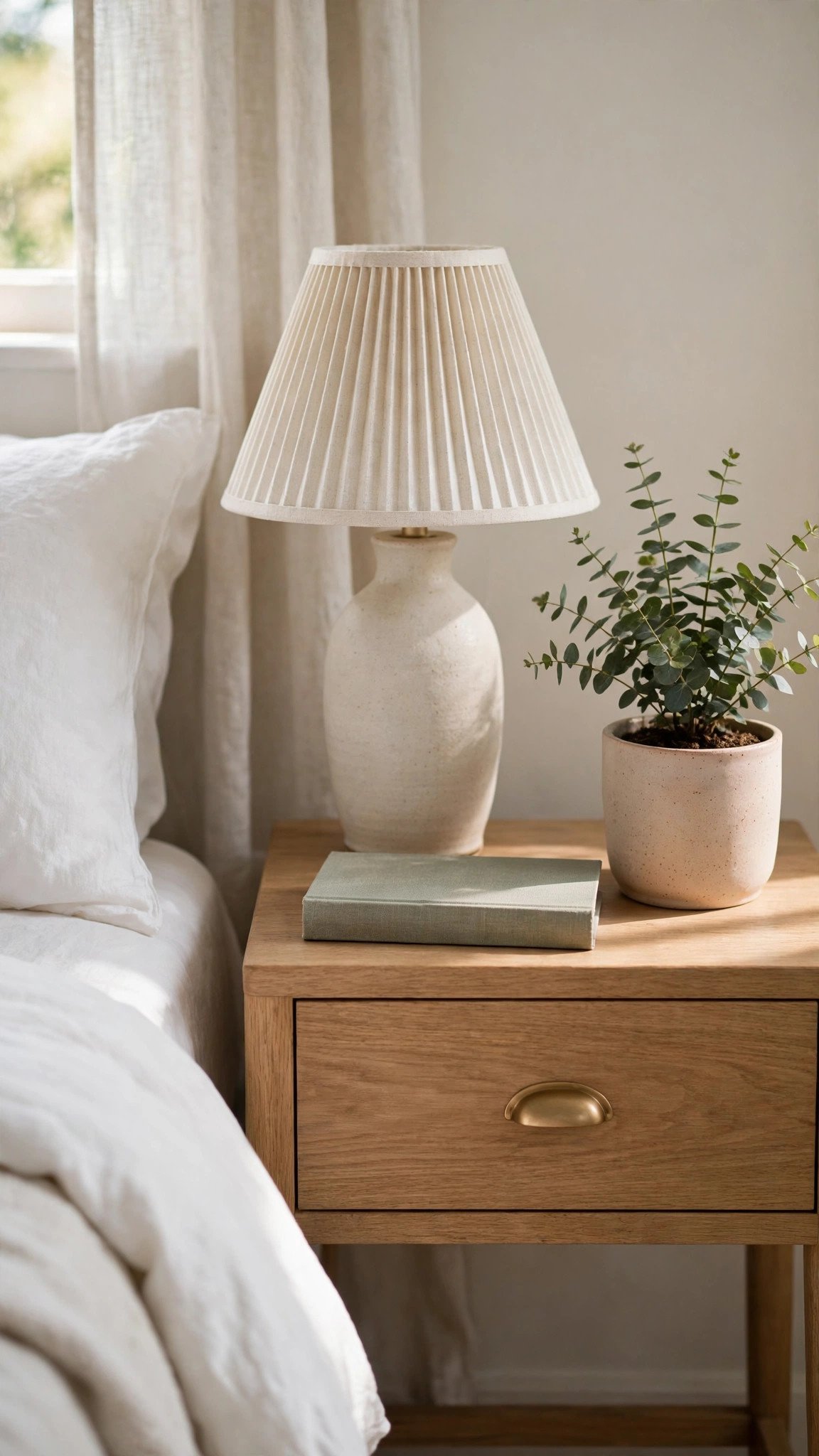
Nightstands are useful everyday surfaces, but they can quickly become crowded with chargers, books, skincare products, and other small items. A simple styling update can make them look more organised while keeping the things you need close at hand.
Start by removing everything and returning only the essentials. A lamp, a book, and a small tray are often enough for the top. Use a drawer or a small organiser for charging cables, accessories, and other items you do not need to see.
Matching nightstands can create a symmetrical look, but they are not essential. Different tables can work together if their heights and finishes feel balanced with the bed. In a compact room, a narrow table or wall-mounted shelf may be more practical than a bulky bedside cabinet.
Practical tip: Keep a charging cable accessible but neatly secured, so it does not spread across the whole surface.
12. Personalise the Room With a Gallery Wall
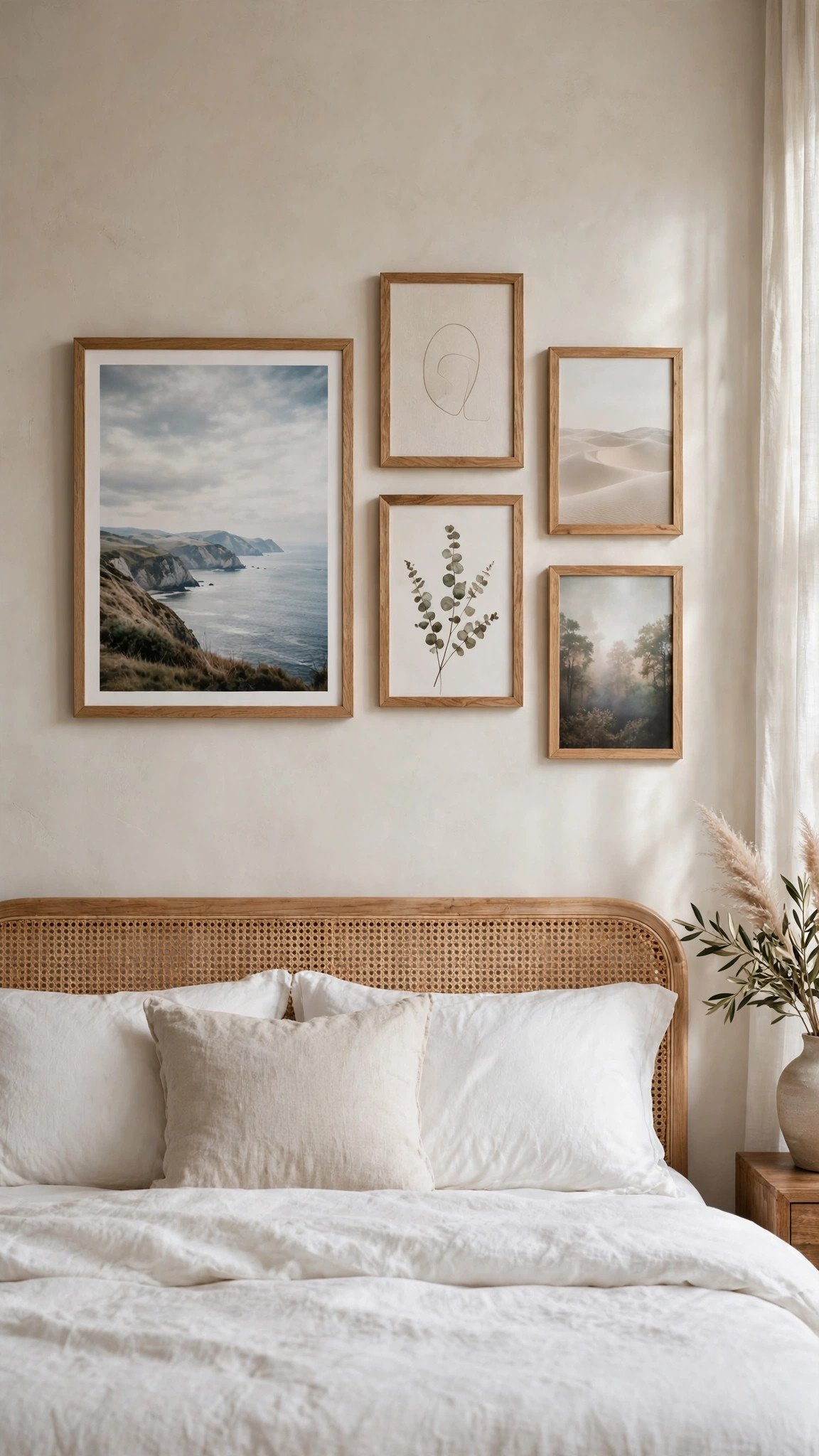
A gallery wall can make a bedroom feel more personal by displaying artwork, photographs, prints, or meaningful objects. Instead of buying a matching set, combine a few pieces that share a colour palette or subject.
Before hanging anything, arrange the frames on the floor. Try different sizes and spacing until the overall layout looks balanced. You can use matching frames for a coordinated appearance or mix natural wood and black frames for a more collected look.
Think carefully about placement. A gallery wall above a dresser or on the wall opposite the bed can add interest without competing with a statement headboard. Use suitable picture hooks and check the weight of each frame before hanging it.
Practical tip: Cut paper templates the size of your frames and tape them to the wall first. This makes it easier to adjust the layout without creating unnecessary holes.
13. Sheer Curtains for Soft Morning Light
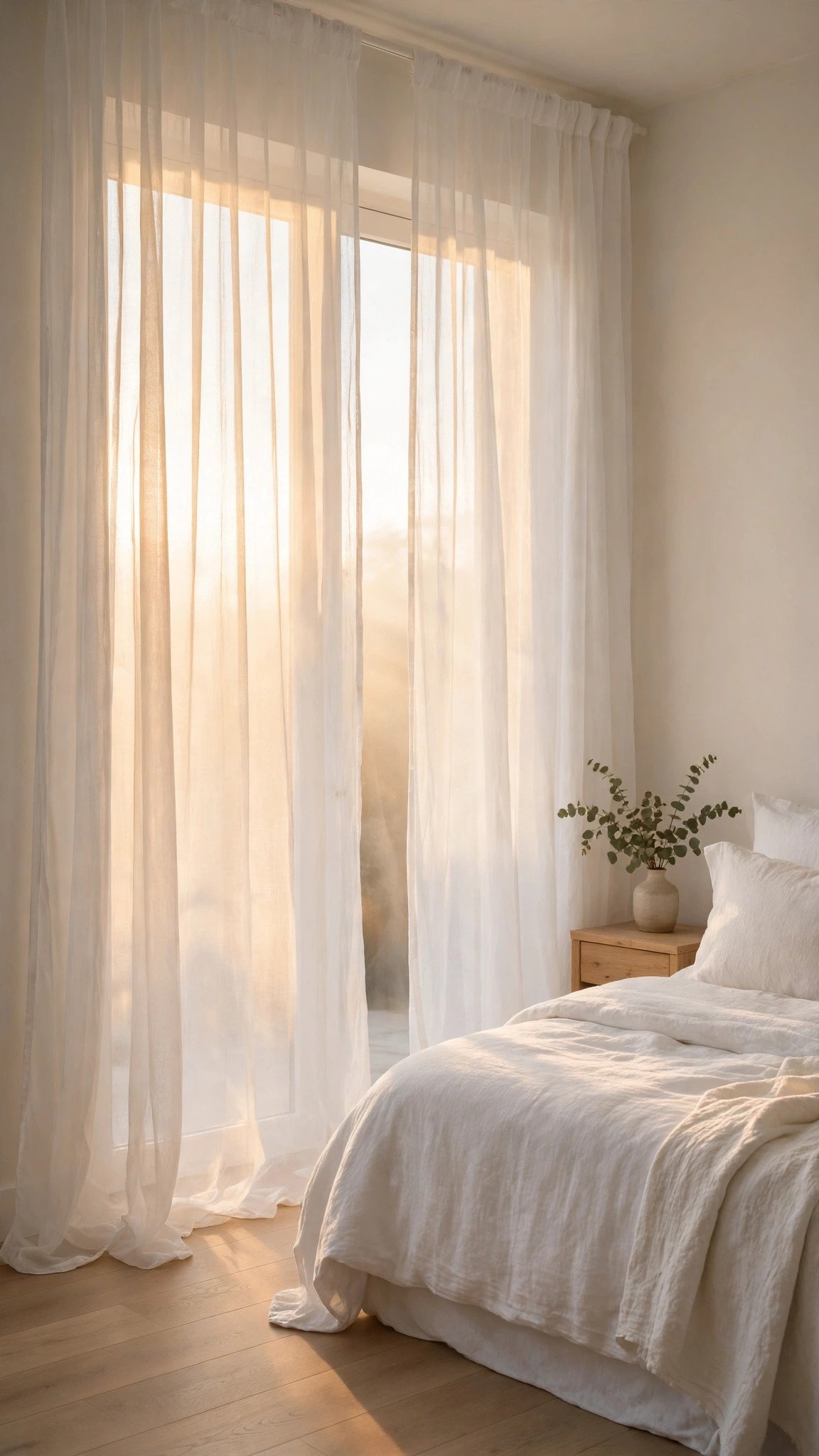
Curtains can change how a bedroom looks and feels, especially when the windows are left bare or the existing fabric feels heavy. Sheer panels allow daylight to enter while softening direct sunlight and adding movement to the room.
White and ivory sheers work with many colour schemes, while muted blush, soft grey, or pale sage can introduce a little colour. For more privacy and darkness at night, layer them with blackout curtains or a suitable blind rather than relying on sheer fabric alone.
For a fuller appearance, choose curtain panels that provide enough total width for gentle folds. Hanging the curtain rod slightly above and wider than the window frame can also make the window look more generous. Check the measurements before purchasing panels.
Practical tip: If you already have blackout curtains, add a separate sheer layer rather than replacing the whole window treatment.
14. Smart Storage That Hides the Clutter

Good storage helps a bedroom stay organised after the initial refresh. Wardrobes, drawers, storage beds, and baskets all have a role, but the best solution depends on what you need to store and how much space you have.
Under-bed boxes are useful for spare bedding, seasonal clothing, and items you do not use every day. Inside a wardrobe, shelf dividers and storage baskets can separate smaller belongings and make better use of vertical space. If you are choosing new furniture, consider pieces with drawers or hidden compartments.
In a small bedroom, sliding wardrobe doors may be easier to use than doors that swing into the room. Wall-mounted hooks and shelves can also free up floor space. Keep everyday items within easy reach and move rarely used belongings to higher shelves or labelled containers.
Practical tip: Measure the space under your bed before buying storage boxes. Some beds have less clearance than they appear to.
15. A Touch of Bold Bedding Colour

If an entirely neutral bedroom feels too plain, use bedding to introduce a stronger colour. Deep navy, emerald green, rust, or terracotta can make the bed stand out while allowing the walls and larger furniture to remain simple.
Choose one main colour and repeat it in smaller details. For example, an emerald duvet cover can work with cream sheets and a small patterned cushion. A navy bedspread can be paired with warm wood furniture and muted mustard accents. The aim is to create a connection between the colours rather than adding several unrelated shades.
Bedding is also easier to change than paint or furniture, which makes it a good place to experiment. If you are unsure about a bold duvet, begin with a throw or two cushions and see how the colour looks in the room.
Practical tip: Check the fabric in natural light before buying. Some strong colours can look quite different under warm bedroom lamps.
16. Bring in Vintage Pieces for Character
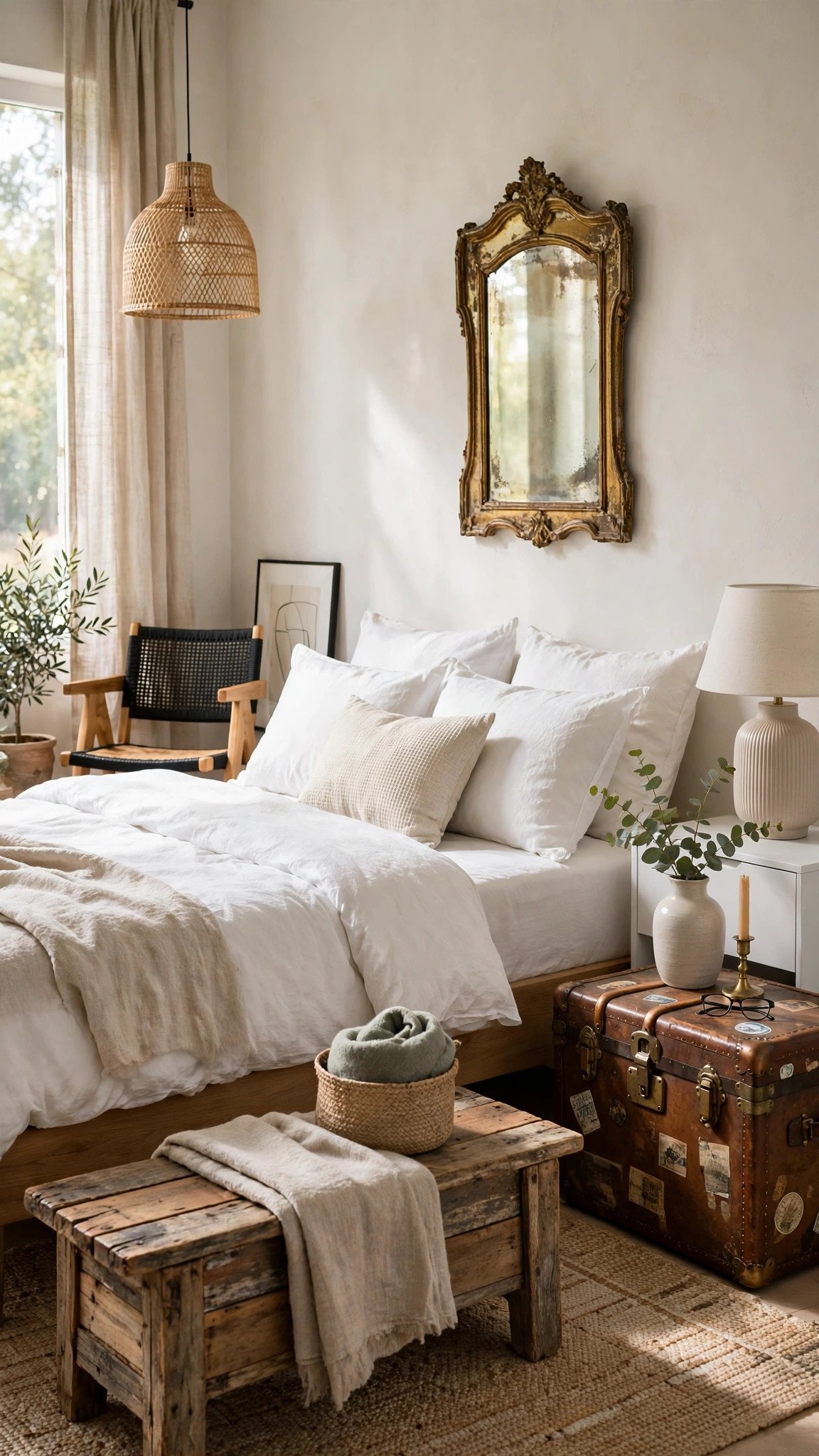
Vintage details can make a bedroom feel more individual and less like a showroom. An old wooden stool, a secondhand mirror, a small trunk, or a decorative frame can add warmth and character without requiring a complete furniture change.
The key is to mix older pieces with what you already own. A vintage bedside table can look attractive beside a simple modern bed, while an antique mirror can add interest above a dresser. Choose one or two pieces that complement the room rather than filling every surface with decorative finds.
Before buying secondhand furniture, check that it is stable and in usable condition. Look for loose joints, damage, signs of pests, and strong odours. Clean the piece appropriately and make sure mirrors or wall-mounted objects have secure fittings before placing them in the bedroom.
Practical tip: Try thrift stores, flea markets, and family-owned pieces first. A small item with character can be more effective than buying several new accessories.
17. Cozy Scent and Soft Details

Scent is the finishing touch most makeovers forget, and it is the one your brain notices first when you walk in. A candle, a reed diffuser, or a few drops of essential oil on a cotton ball tucked in a drawer gives the room a signature smell that says this space is cared for. Lavender and cedarwood suit evenings, citrus and eucalyptus suit mornings, and a plain unscented room is still better than one with three competing fragrances fighting each other.
Layer softness the same way you layer scent: a throw across the foot of the bed, a plush cushion or two, a soft rug beside the bed, and curtains that move when the window is open. These are small things, but they are the things your hands touch, so they shape how the room feels more than the furniture does. Keep candles on a stable surface away from curtains and bedding, never leave one burning when you leave the room or fall asleep, and choose a diffuser over a candle if you have pets or small children. Rotate the scent with the season — warm and woody in winter, light and green in summer — and the room will feel fresh again without you changing a single piece of furniture.
What you need: candle or reed diffuser, essential oil, throw, plush cushions, soft rug.
Which New Year Bedroom Refresh Ideas Should You Choose?
The best updates depend on what your bedroom needs most. You do not have to complete all 17 ideas to make the room feel different. Use the following suggestions to choose a starting point:
- For a cluttered bedroom: Begin with decluttering, hidden storage, and a clear nightstand.
- For a dark bedroom: Improve the lighting, use lighter window treatments, and consider a softer wall colour.
- For a plain bedroom: Add a statement headboard, a gallery wall, or colourful bedding.
- For a cold or uncomfortable room: Refresh the bedding, add a suitable rug, and bring in a soft throw.
- For a small bedroom: Use floating shelves, under-bed storage, and window treatments that do not take up floor space.
- For a limited budget: Rearrange furniture, declutter, update existing bedding, and look for secondhand decorative pieces.
- For a more relaxing atmosphere: Focus on comfortable bedding, warm lighting, and keeping everyday clutter out of sight.
FAQs
How can I refresh my bedroom for the New Year?
Start with a deep declutter, then change the bedding and calm the colours. Clear every surface, make the bed with fresh white bedding, and add soft neutral tones with one deeper accent. Then layer the lighting and add a rug, plants, and a scent. One weekend is enough for a room that feels genuinely new.
What colors make a bedroom feel calm?
Soft neutrals — warm white, beige, greige, and light grey — suit most bedrooms because they feel calm in the morning and restful at night. Sage green is a good choice if you want a hint of colour, and deep navy or forest green works well as one accent wall in a room with good natural light.
How do I make my bedroom clutter-free?
Declutter in one pass with three bags: keep, move elsewhere, and let go. Then give every kept item a home — a tray for jewellery, a basket for charging cables, a hook for tomorrow’s outfit — and use storage that hides the rest, like under-bed boxes and wardrobes that reach the ceiling.
How can I refresh my bedroom on a budget?
Start with the free changes: declutter and rearrange. Then change the textiles first — new bedding, curtains, and a rug can shift the whole colour story without a drop of paint. Add a large piece of art or a gallery wall, swap the lamp shades, and look for vintage finds at flea markets and thrift stores.
How do I make a small bedroom feel bigger?
Keep the palette light, use one large rug instead of several small ones, and choose furniture that shows its legs so you can see the floor underneath. A mirror opposite the window doubles the light, floating shelves replace bulky bookcases, and built-in storage hides clutter behind doors. Keep surfaces clear and hang curtains high and wide.
How do I keep my bedroom calm after the refresh?
Give everything a home and keep the nightstand rule: three things at most. Clear the surfaces every evening before bed, and do a light refresh once a year — swap the bedding and cushions with the season, change the scent, and replace anything worn out. A room that stays tidy is a room with a place for everything.
What is the best way to start a bedroom refresh?
Take a photo of your room from the doorway in daylight. It shows you what visitors see and makes the weak spots obvious. Then start with the change that fixes the thing that bothers you most when you walk in — usually the declutter or the bedding — do it well, and let the rest follow when you are ready.
Conclusion
A bedroom makeover is not one big decision. It is a dozen small ones, and the best order is the one in this list: calm the colours, fix the light, make the bed inviting, then clear the clutter and add the details that make the room yours. You do not need to do all seventeen ideas, and you do not need to do them this weekend. Pick the one that fixes the thing that bothers you most when you walk in, do it well, and let the rest follow when you are ready.
Start tonight with the easiest step. Clear one surface, fluff the pillows, light a candle, and look at the room from the doorway again. That small change is usually enough to show you what the room wants next, and it is a good reminder that a bedroom does not need to be perfect to feel like a retreat. It just needs to feel like yours. Happy New Year — may your bedroom, and your year, feel calm from the very first morning.