13 Zen Garden Design Ideas for a Peaceful Backyard Retreat
A zen garden is a quiet outdoor space that helps you slow down. These zen garden design ideas use simple materials like gravel, stone, bamboo, and moss to build a calm corner in your yard. You do not need a big budget or a big yard. Even one small corner can feel peaceful when every piece has a purpose.
The ideas below start with the basics and move to small finishing touches. Pick the ones that fit your space and your budget. You can build one idea this weekend, then add more over time. A calm garden grows slowly, and that is part of the joy.
1. Start With a Raked Gravel Bed

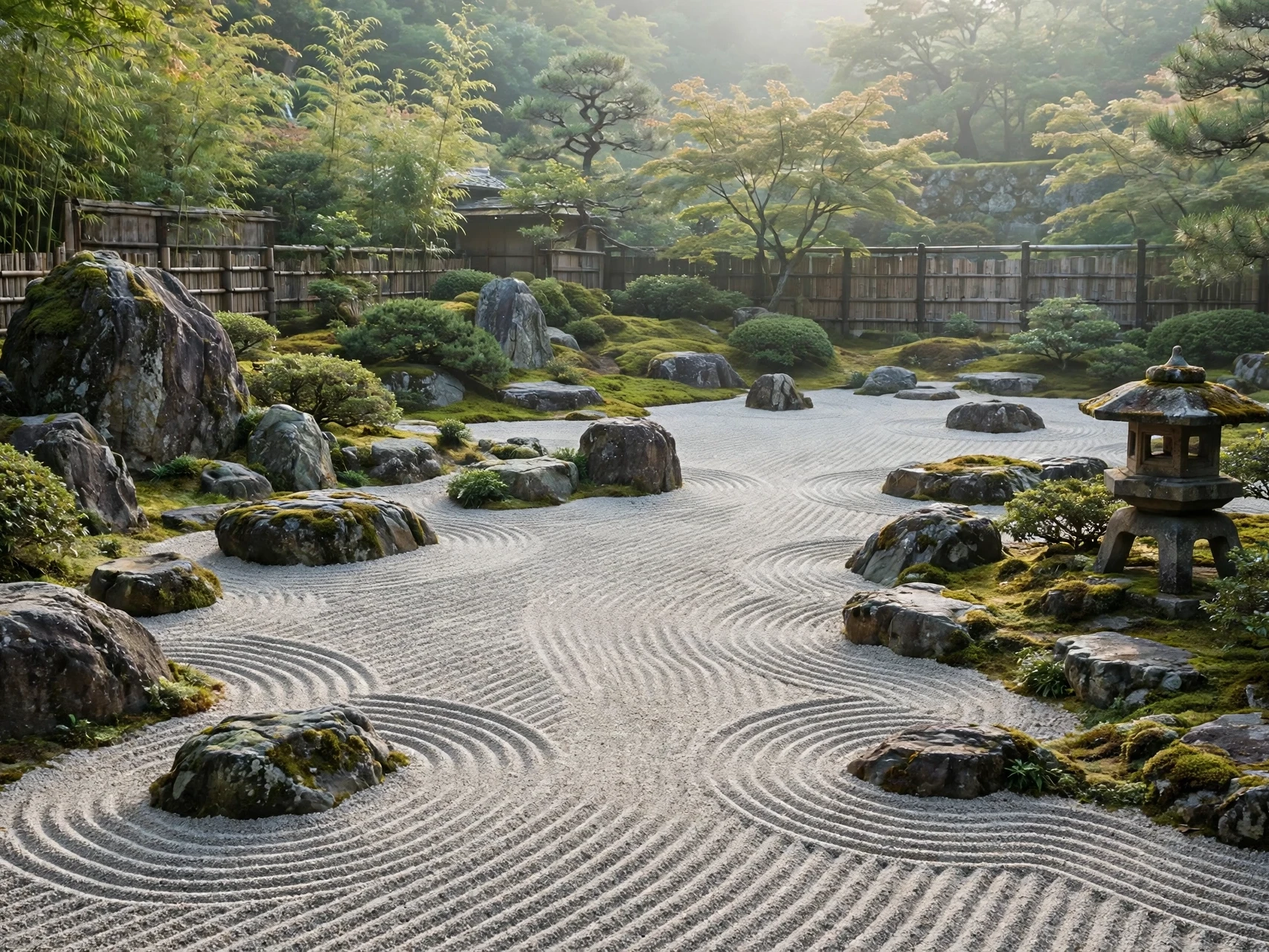
A raked gravel bed is the heart of most zen gardens. Fine gravel holds clean wave patterns, and those soft lines stand for flowing water. Spread the gravel over landscape fabric, then rake gentle curves around one or two large rocks. Leave plenty of open space. Space is not wasted space here. It is what makes the garden feel calm.
Rake the patterns again once a week to keep them fresh. It only takes a few minutes, and many people find the raking itself relaxing. Choose a pale, natural gravel color so the patterns stay easy to see in soft daylight.
2. Lay a Winding Stone Path for Slow Walks

A stone path gives your garden a clear way to walk through it. Place flat stepping stones in a gentle curve instead of a straight line. A curve slows you down and makes you notice the garden around you. Leave a comfortable step between each stone so walking feels natural.
Use stones in similar soft colors but different shapes. That mix looks natural, like a path that has been there for years. Fill the gaps with fine gravel so weeds stay down and the path stays neat.
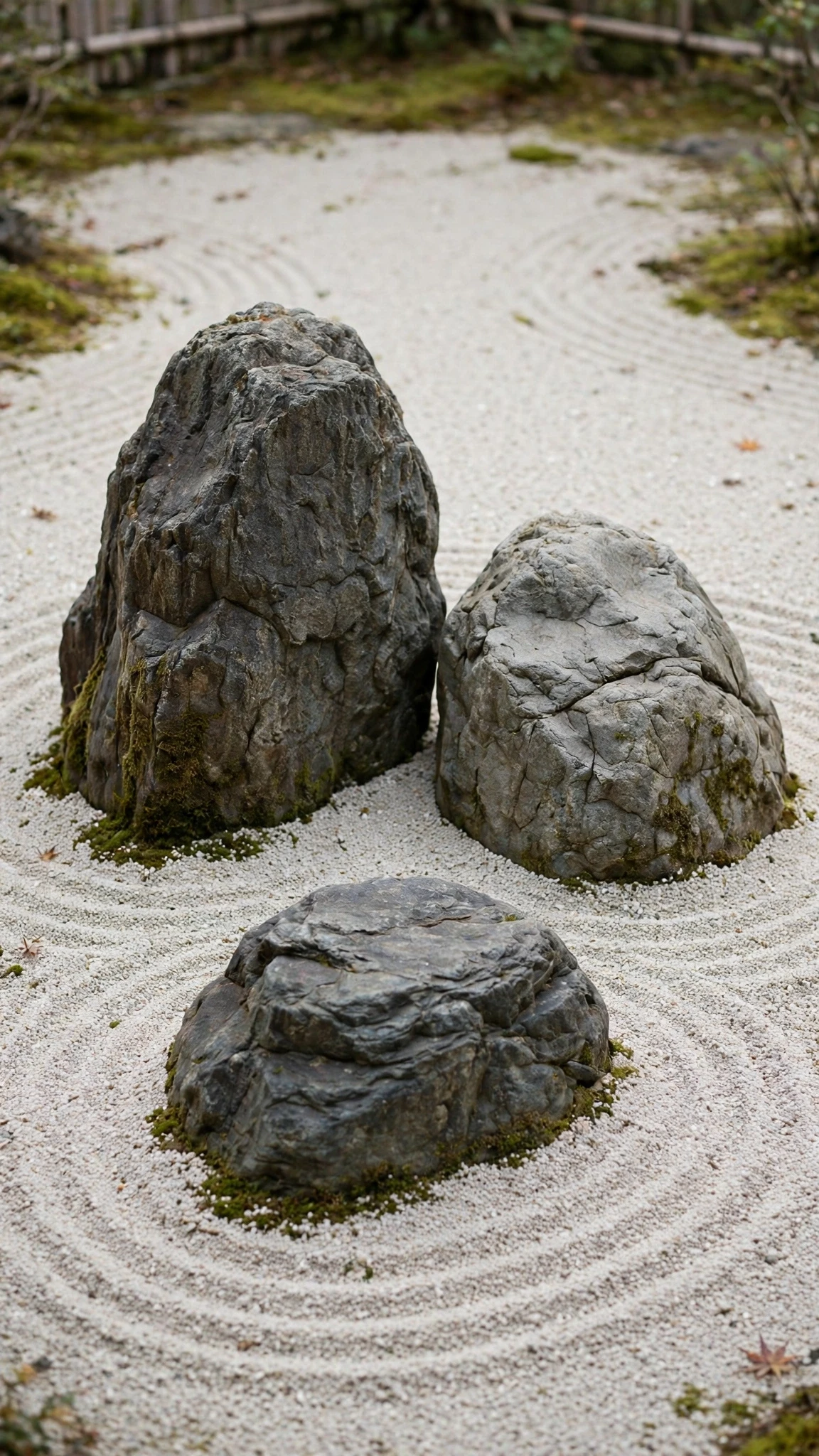
3. Group a Few Large Rocks Like Nature Did
Natural materials are an important part of old money interior design because they bring warmth, texture, and lasting character. Solid wood, marble, stone, linen, wool, leather, and ceramic all work beautifully in traditional spaces.
Instead of filling your home with shiny synthetic finishes, focus on materials that develop character with use. A wooden dining table, a linen armchair, or a marble-topped side table can make even a simple room feel more thoughtfully designed.
4. Grow a Soft Moss Corner in the Shade

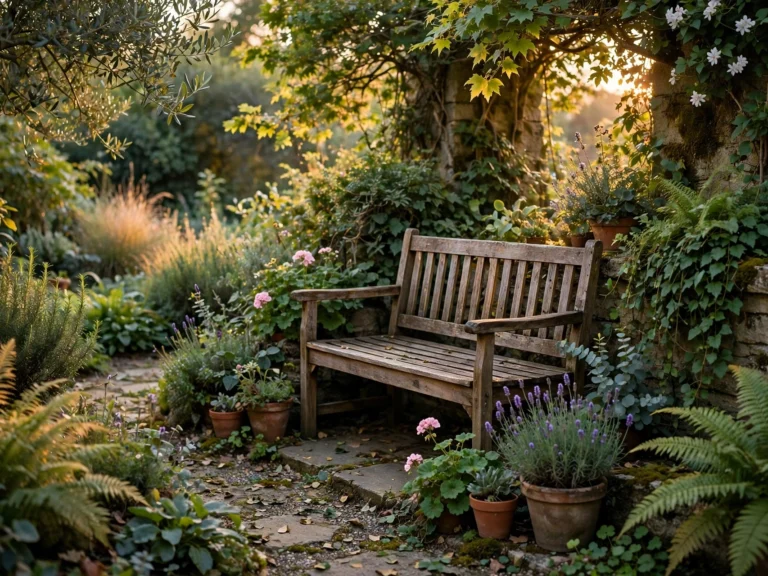
Moss adds a soft green carpet that feels old and quiet. It grows best in shade where the soil stays damp. Press pieces of live moss onto moist, rich soil and water them gently until they take hold. A small bench nearby turns the spot into a place to sit and think.
The biggest mistake is planting moss in full sun, where it dries out fast. Keep it in a shady corner and pair it with a weathered stone or two. Over time, the moss fills in, and the corner starts to look like it has always been there.
5. Use Bamboo Screens for Quiet Privacy

Bamboo gives you privacy without making the garden feel closed in. Tall, thin stems add height, and the leaves move softly in the wind. Choose a clumping type of bamboo, which stays where you plant it. Running types spread fast and can take over a small yard.
Plant bamboo along one edge of the garden, in a bed or a large planter. Water it well while it settles in, and trim any broken canes. A few natural wood pieces nearby will match the bamboo and keep the whole corner feeling warm and simple.
6. Place a Stone Lantern Off-Center

A stone lantern adds a quiet, timeless focal point to a zen garden. Stone ages well, so the lantern looks better each year. Set it on a firm gravel base and place it a little off-center. That slight shift feels more natural than putting it right in the middle.
Keep the area around the lantern simple. A few low green plants are enough. Bright flowers would fight with the lantern for attention, and in a zen garden, less is more.
7. Shape a Dry Riverbed From River Stones

A dry riverbed looks like flowing water, but it needs no pump and no upkeep. Mark a winding line through the garden, lay landscape fabric, and fill the shape with gravel. Then place smooth river rocks along the edges and a few larger ones in the middle. Curves feel more natural than straight lines.
Mix stone sizes to copy a real stream bed. Small pebbles, mid-size stones, and one or two large rocks together create movement for the eye. The riverbed also gives rainwater a neat path to follow.
8. Add a Small Stone Water Basin

A small stone basin brings the soft sound of water into the garden without the work of a big fountain. Set the basin on level ground and hide the pump tubing under river stones. A small recirculating pump is enough for a gentle trickle, and it is easy to care for.
Surround the basin with gravel to keep the look clean and simple. Place it where you can hear it from your seat. Even a quiet sound of water can change how calm a garden feels in the evening.
9. Build a Simple Bench Seat Facing the Best View

A bench turns a garden you look at into a garden you use. Pick a simple wooden or stone bench and set it on pavers or firm gravel. Face it toward the strongest view in the garden, like the rock group or the lantern, not toward the fence or the house.
Keep the seat area open and uncluttered. A plain cushion in a neutral color is all you need. This is your spot to sit with morning coffee or to rest after work, so make it comfortable and easy to reach.
10. Layer Evergreens in Three Heights
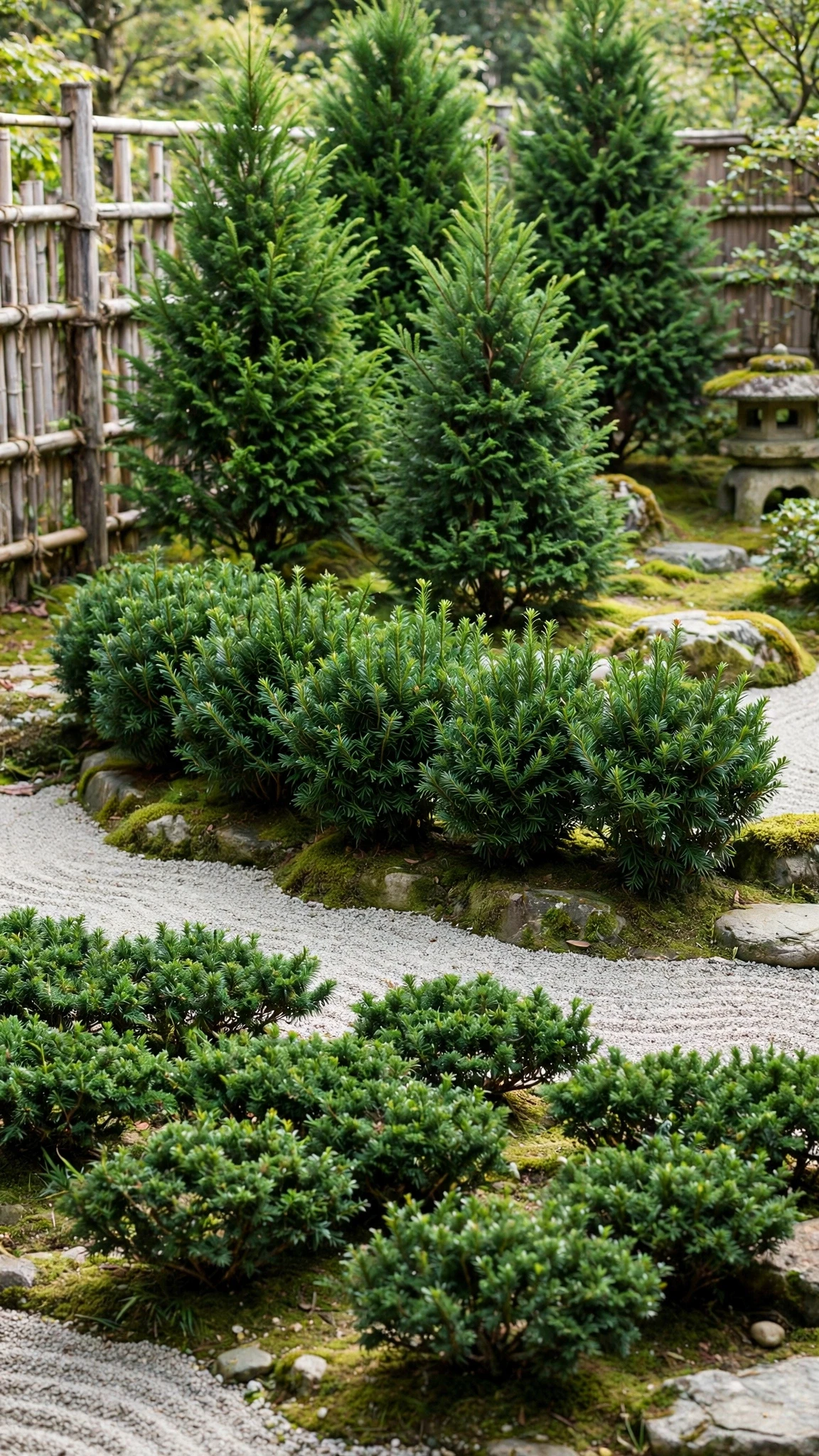
Evergreens keep a zen garden looking calm all year, even in winter. Layer them by height: tall shrubs at the back, mid-size plants in the middle, and low, compact ones in front. That layering adds depth without bright flowers or busy colors.
Stick to a few types of plants. Too many kinds can make the garden look messy. Compact evergreens work best in small yards, where a large shrub can quickly take over. Mulch around the base and water well after planting.
11. Frame One Beautiful View and Keep the Rest Simple
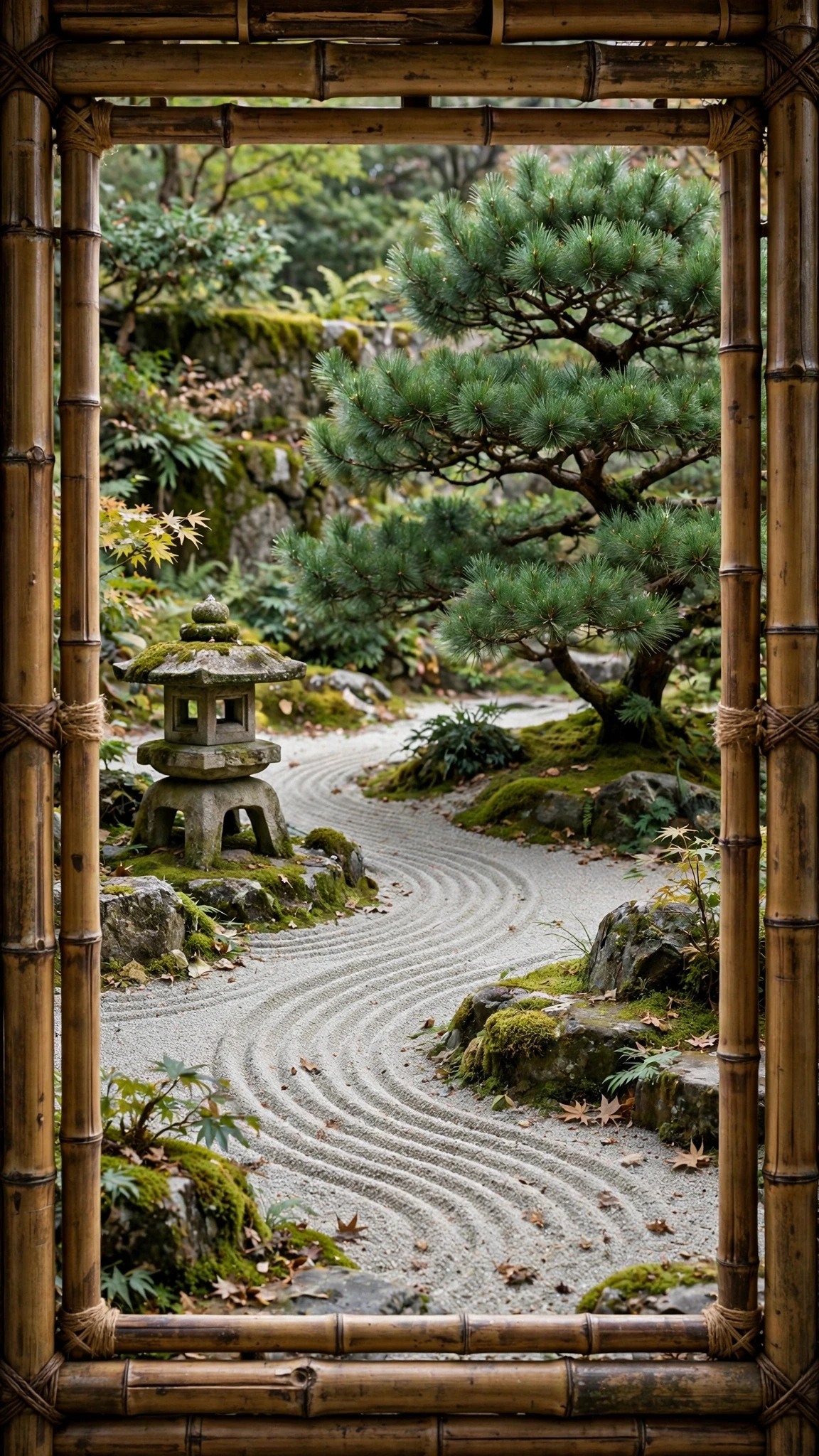
A framed view helps the eye rest on one lovely scene. Use a simple bamboo screen or a wooden frame to border your favorite part of the garden, like a single tree, a lantern, or a rock group. Remove anything that distracts from that scene.
The frame only works if the scene inside it stays simple. One strong feature is enough. This trick makes even a small garden feel thoughtful and well planned.
12. Cross a Small Wooden Bridge Over Gravel
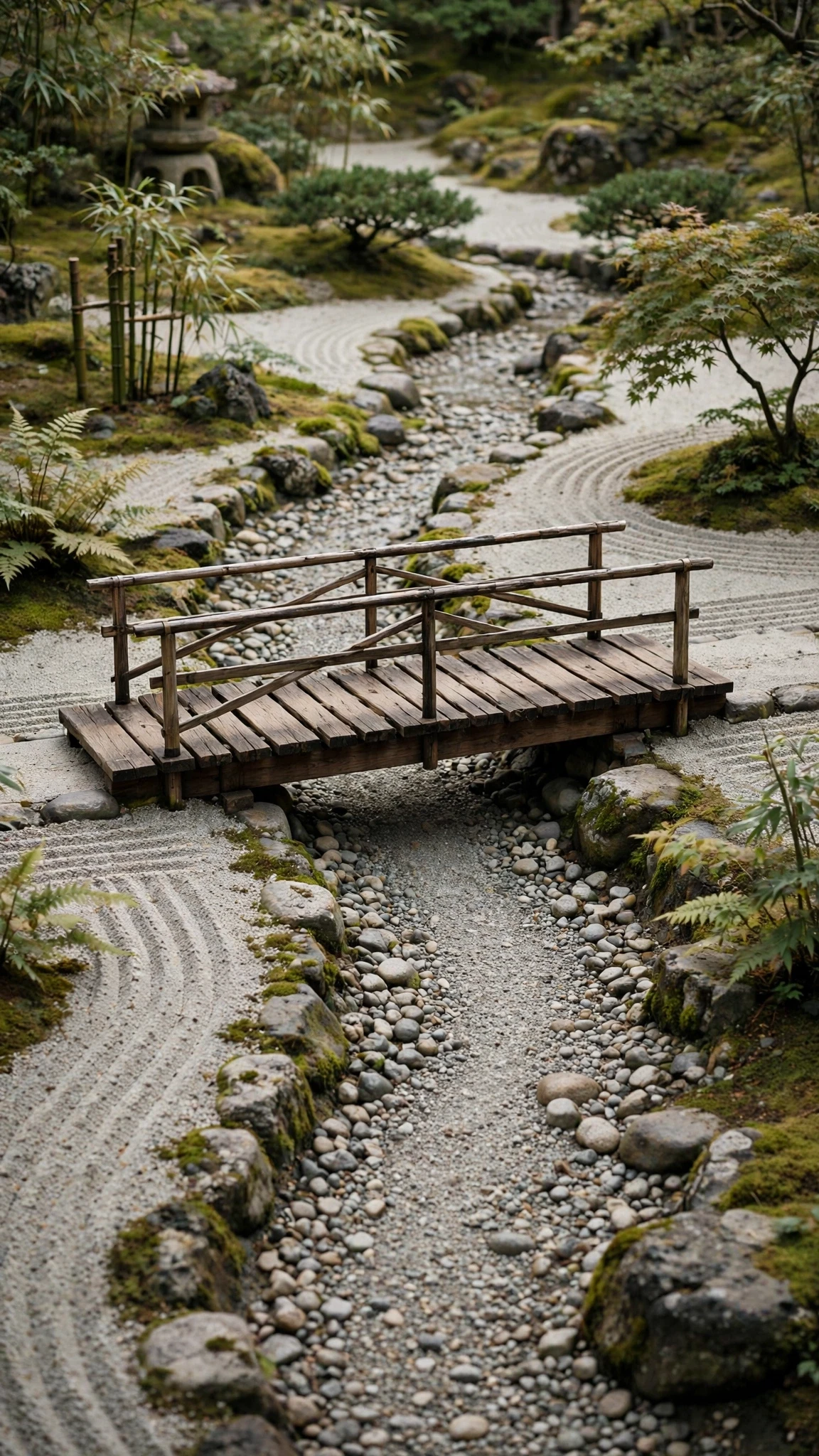
A small wooden bridge adds movement and meaning to a zen garden. In Japanese design, a bridge stands for a journey or a fresh start. It works even without real water underneath. A gravel stream bed below the bridge gives the same effect with far less upkeep.
Keep the planting around the bridge very simple, so the bridge stays the star. Seal the wood with a weather-safe finish so it lasts through rain and sun. Even a short bridge can make a garden feel like a place with a story.
13. Make a Tiny Zen Corner for a Balcony or Small Yard
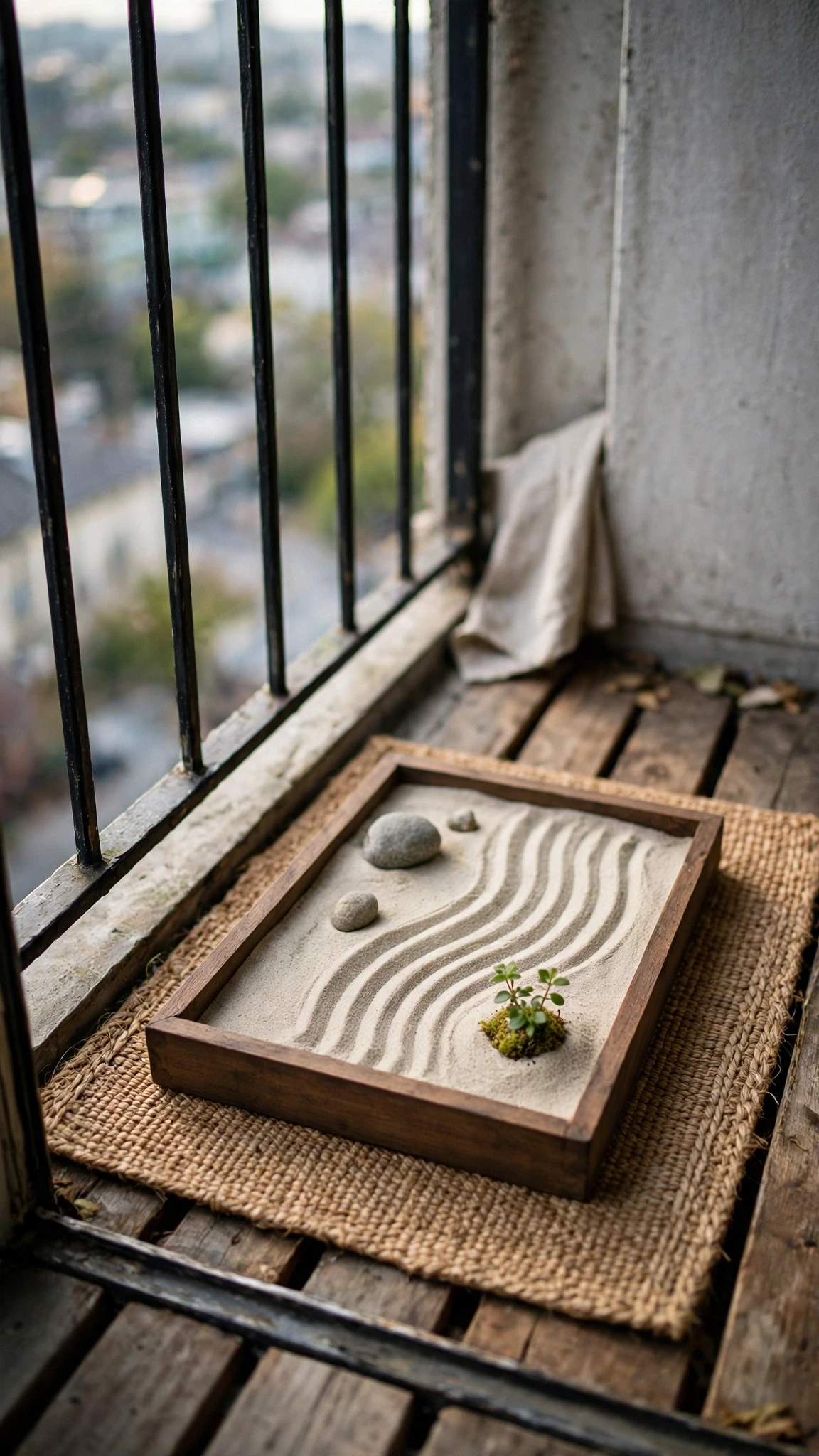
You do not need a full yard for a zen garden. A small corner or a balcony can hold a tiny one. Use a shallow tray or a low planter filled with fine sand. Add two or three small stones, one tiny plant, and a miniature rake. That is enough.
Place the tray where you see it often, like near a chair or a window. Rake the sand when you need a quiet minute. A tiny zen corner gives you the same calm feeling in a space no bigger than a side table.
Zen Garden Mistakes to Avoid
- Filling every corner with decorations. Space is part of the design.
- Planting moss in full sun. It dries out and dies fast.
- Choosing running bamboo. It spreads and takes over small yards.
- Using too many colors or plant types. A zen garden stays calm with a few quiet tones.
- Skipping the base layer. Without landscape fabric and edging, weeds and gravel spread everywhere.
FAQS
What is the most important part of a zen garden?
Simplicity is the most important part of a zen garden. Every feature should have a clear purpose, and extra decoration should be left out. Open space, natural materials, and a few strong focal points create the calm feeling a zen garden is known for.
Can I make a zen garden in a small backyard?
Yes, you can make a zen garden in a small backyard. Many of the best zen gardens are small spaces that focus on thoughtful design instead of size. A gravel bed, a few rocks, and one bench can turn even a tiny corner into a peaceful retreat.
How much does a zen garden cost?
A zen garden does not have to cost much. Gravel, stones, and a few hardy plants can create a beautiful design on a small budget. Stone lanterns and wooden bridges cost more, so add those later if you want them.
What plants work best in a zen garden?
Evergreens, moss, bamboo, Japanese maple, and Japanese forest grass work best in a zen garden. These plants need little care and keep their shape through the seasons. Choose plants that suit your sunlight and climate so they stay healthy with little work.
How much work is it to keep a zen garden?
A zen garden needs only light care. Rake the gravel once a week, prune plants when they grow too big, pull weeds, and sweep the paths. Most of the work takes a few minutes, and the garden stays tidy with a small weekly routine.
Can a zen garden have a water feature?
Yes, a zen garden can have a water feature. A small stone basin or a quiet fountain adds gentle sound and movement. Keep the feature small and simple so it adds calm instead of taking over the garden, and you can enjoy its soft sound from your bench.
Do zen gardens need colorful flowers?
No, zen gardens do not need colorful flowers. Most zen gardens rely on texture, shape, and natural materials like stone, wood, and moss. A few soft green plants are enough to keep the garden feeling alive and peaceful.
Conclusion
A zen garden is not about perfection. It is about a quiet place where you can slow down and breathe. Start with one idea, like a raked gravel bed or a small corner, and let the garden grow over time. Small, thoughtful changes can change how your whole yard feels.
Pick the idea that fits your space and your weekend. Lay the gravel, set the stones, and sit down to enjoy it. Your calm backyard retreat is closer than you think.