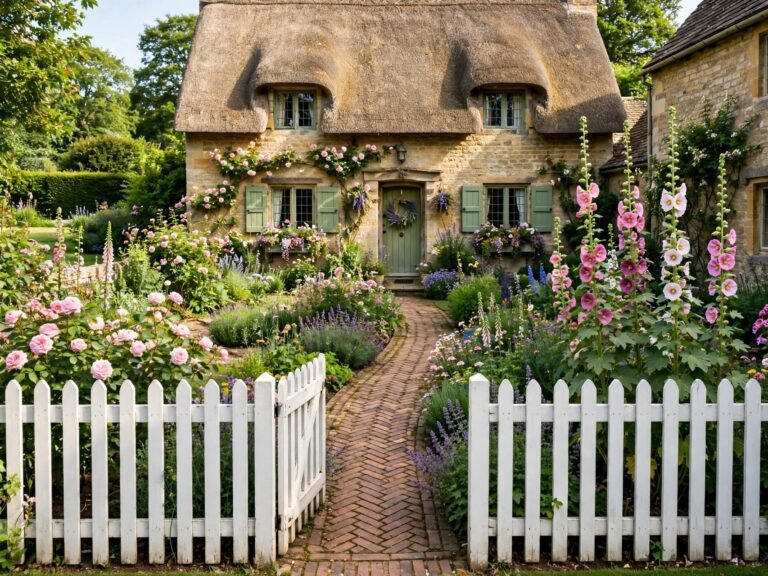
21 Garden Ideas for a Beautiful Home Garden
A beautiful home garden does not need a big budget or a professional designer. These garden ideas work for real yards — small ones, big ones, sunny ones and shady ones — and most of them can start this weekend. All you need is a simple plan, the right plants in the right spots, and a place to sit and enjoy it all.
The garden around your home should work for your life, not just look good in photos. Maybe you want fresh vegetables for dinner. Maybe you want a quiet corner with a chair and a book. Or maybe you just want the yard to stop looking messy. This article covers all of it: layout, planting, growing food, seating, light and water, with 21 garden ideas that are easy for a beginner and kind to a small budget.
The 3 Best Garden Ideas to Start With
If you only do three things this year, do these. First, sketch a simple layout: decide where the lawn, beds, path, and seating go before you buy a single plant. Second, build one raised bed: it is the easiest way to grow flowers or vegetables in good soil with very little weeding. Third, make one seating spot: a bench or two chairs give the garden a purpose and a place to enjoy it from day one.
1. Start With a Simple Garden Layout That Fits Your Yard
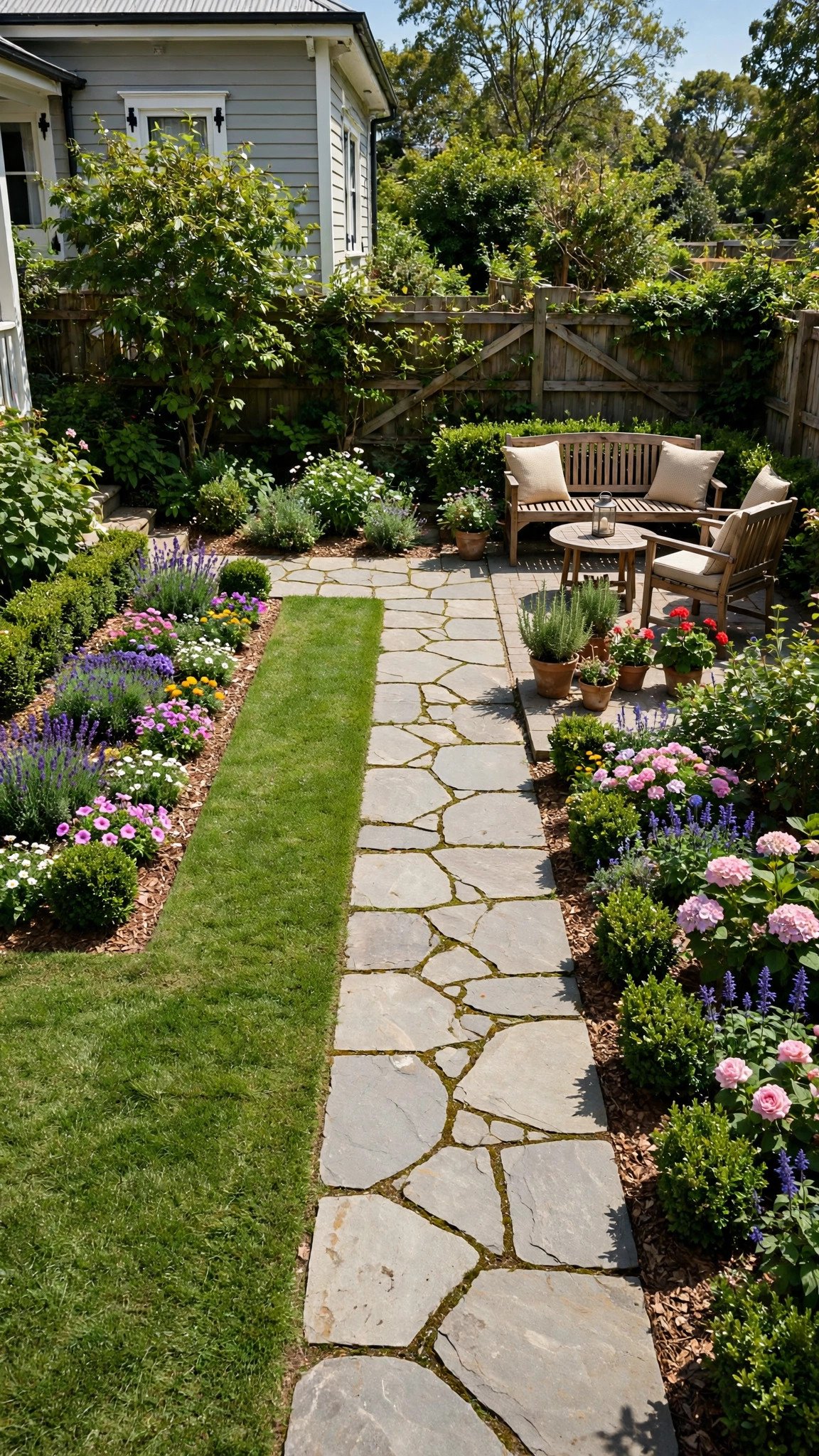
Before you buy plants, draw your yard on paper. Mark the sunny spots, the shady spots, the path to the door, and the places where you actually sit. Then split the garden into three parts: a place to grow, a place to sit, and a place to walk through. This simple step stops the garden from looking random and saves money on plants that end up in the wrong spot.
A good layout also makes the yard feel bigger. Keep one open patch of lawn or gravel in the middle and put the beds around the edges. Give the path a clear route from the gate to the door, and leave room for plants to grow — a small shrub today can be a wide bush in two years. Plan on paper first, and the garden will grow the way you pictured it.
What you need: A sheet of paper, a pencil, and one day of watching where the sun falls.
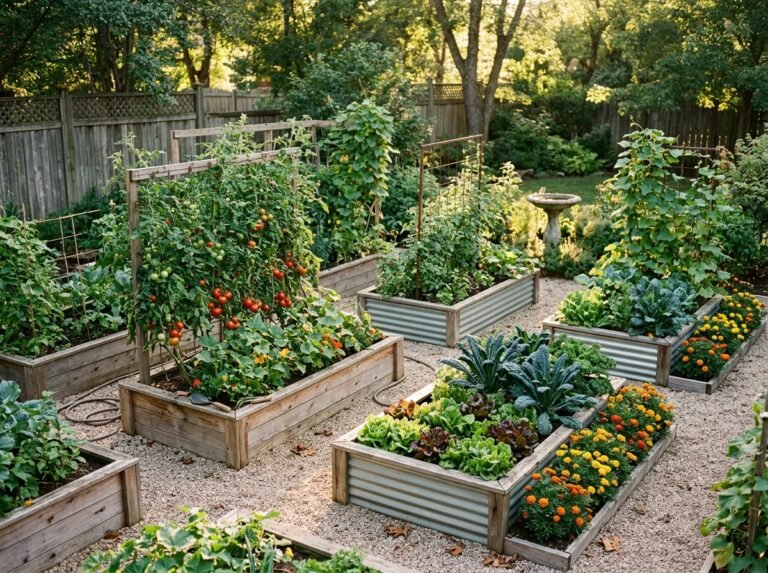
2. Raised Beds for Easy, Tidy Planting
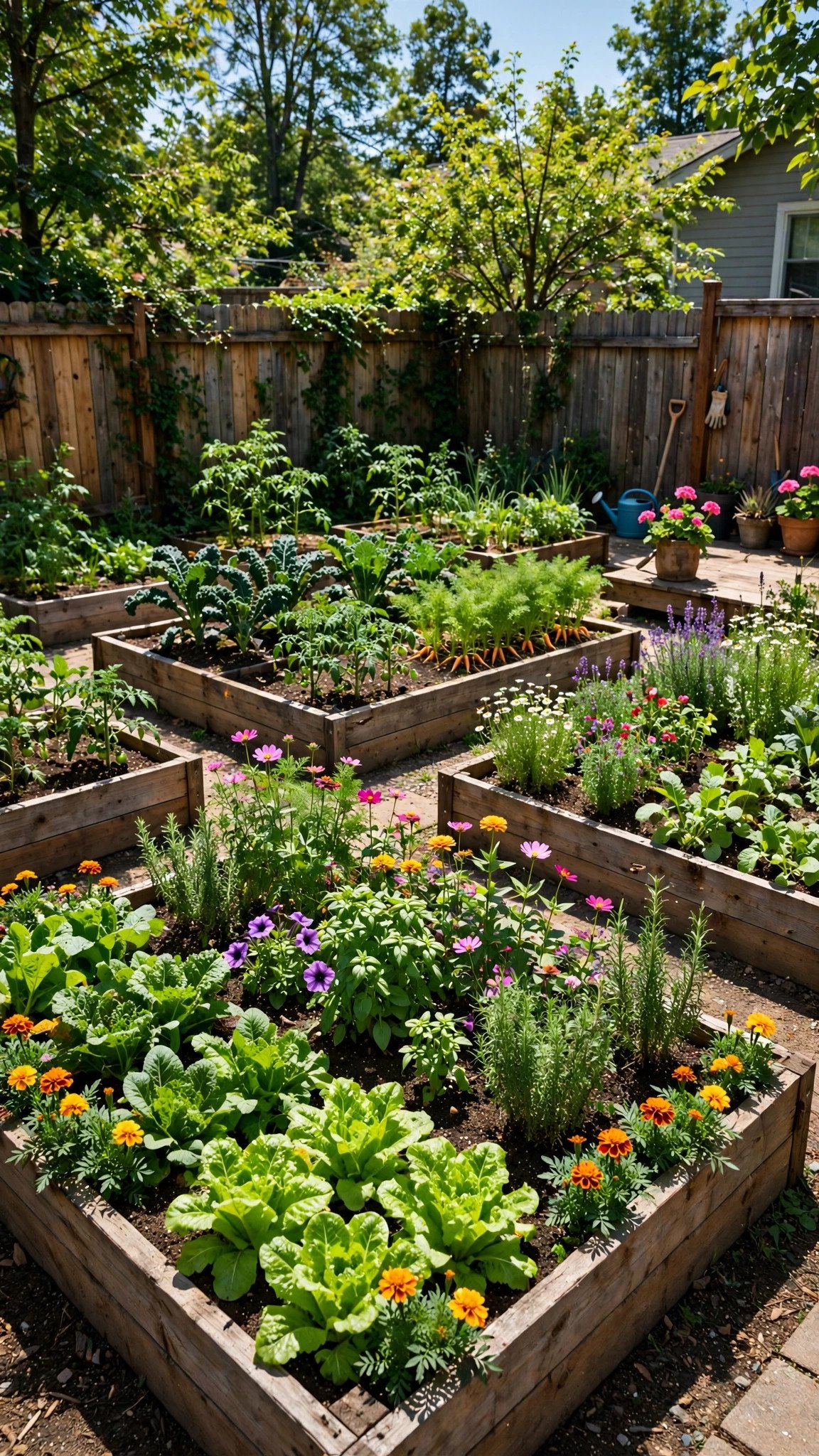
Raised beds are the easiest of all garden ideas for a beginner. You fill them with good soil, so plants grow well even if the yard soil is poor or full of clay. Weeding is far less work too, because the bed is small and the soil is loose. One bed is enough to start, and you can add more next year when you know what grows well for you.
Build the bed from wood boards, fill it with soil and compost, and plant flowers, herbs,s or vegetables in neat rows. Place it in the sunniest spot you have, close to a tap or a hose, so watering stays easy. Keep the bed about four feet wide so you can reach the middle from both sides without stepping on the soil.
What you need: Wood boards, soil, compost, and a sunny spot near the house.
3. A Backyard Vegetable Garden You Can Actually Grow
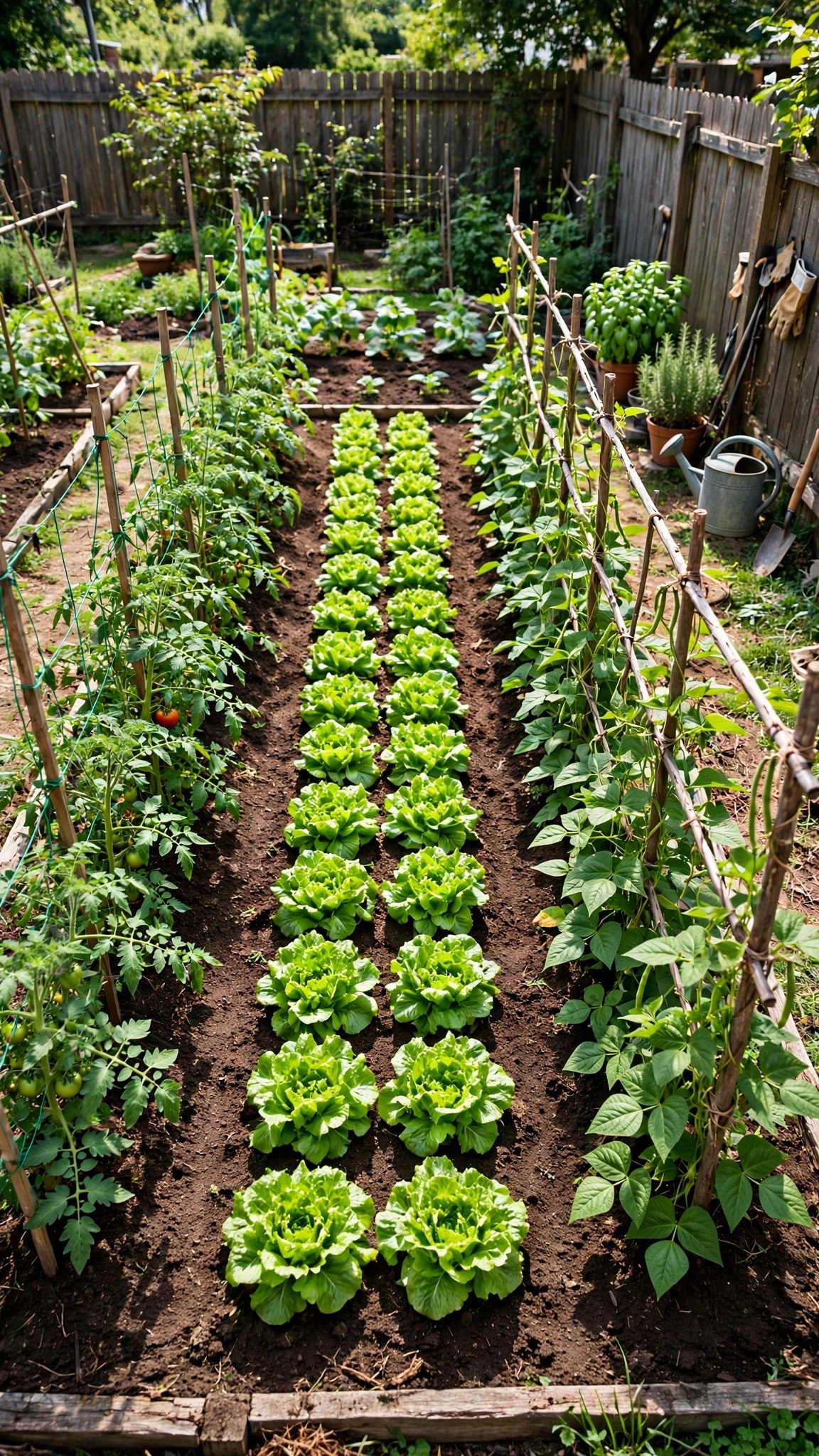
A backyard garden that feeds the family is one of the most rewarding garden ideas there is. Start with easy vegetables like lettuce, tomatoes, beans, ns and zucchini, which grow fast and forgive beginner mistakes. Plant them in the sunniest spot in the yard, water at the roots in the morning, and pick often so the plants keep producing through the season.
A small vegetable patch is better than a big one that gets out of hand. Two or three beds will give you more food than you expect, and the work stays fun instead of becoming a chore. Grow what your family actually eats, and add one new vegetable each year so the garden keeps surprising you.
What you need: Sunny soil, seed packets or small plants, a watering can or hose, and compost.
4. A Flower Border Along the Fence
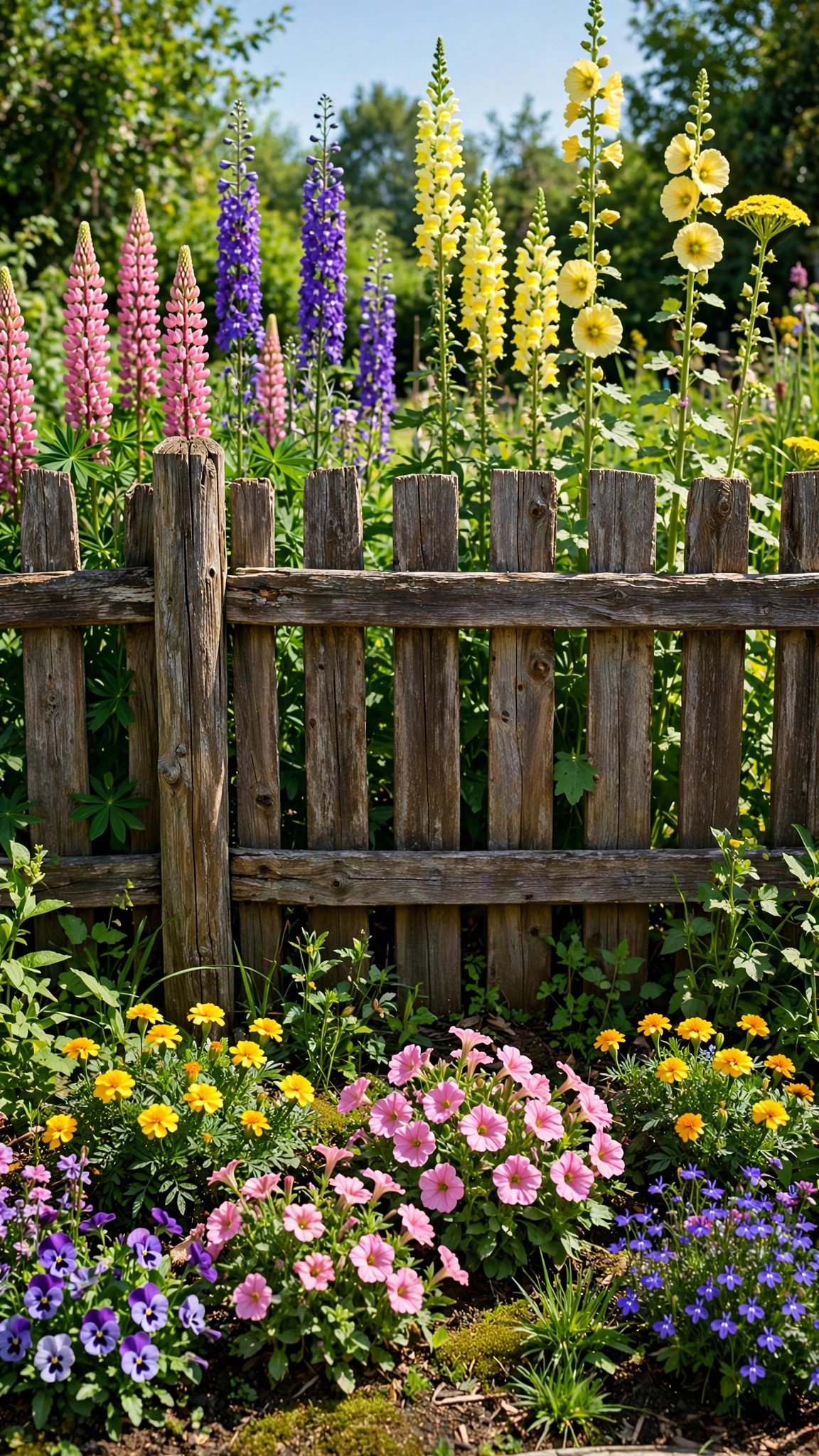
A flower border turns a plain fence into the prettiest part of the garden. Plant tall flowers at the back, medium ones in the middle, and low ones at the front, so every layer shows from the lawn. This layered look is what makes a border feel planned and full, even when the plants are still young.
Repeat the same few flowers along the whole border instead of planting one of everything. Three or four types, repeated in groups, look calm and put together, while twenty different plants in one bed look busy. Choose flowers that bloom at different times so the border has colour from spring through fall.
What you need: Tall, medium, and low flowers, compost, and mulch to hold moisture.
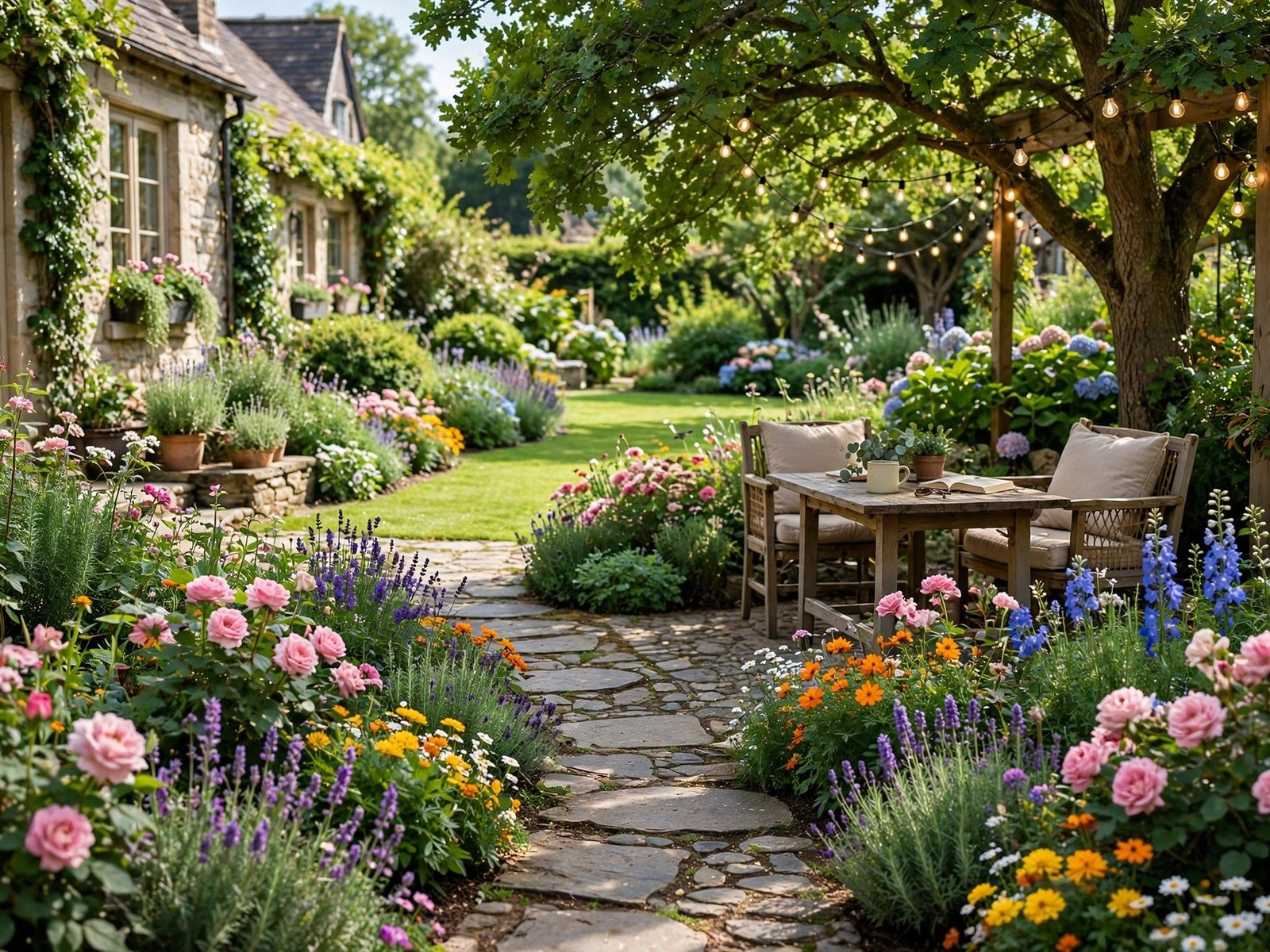
5. A Cozy Seating Corner Under a Tree
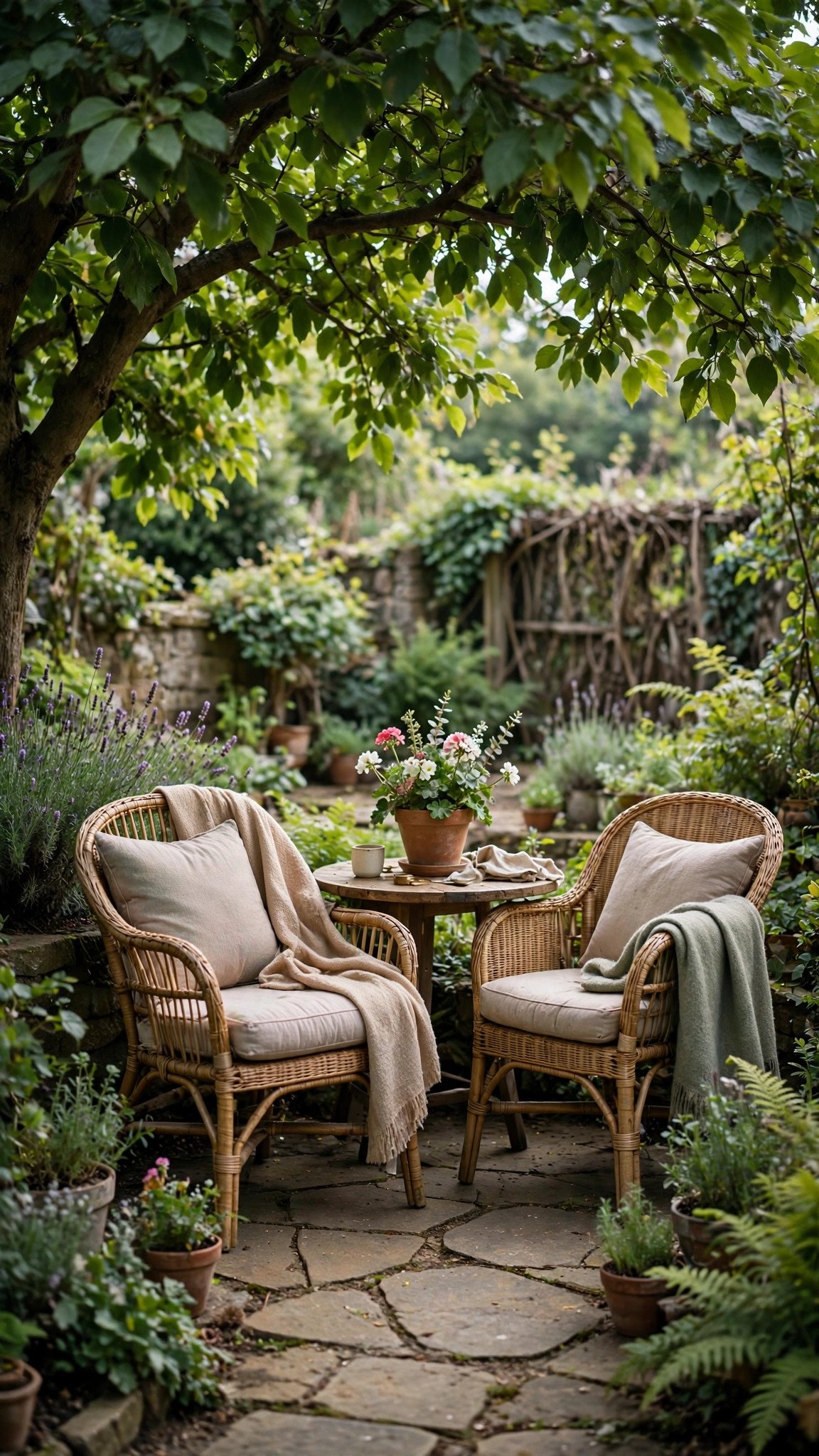
Every garden needs a place to sit. Two chairs and a small table under a shady tree turn a forgotten corner into the best seat in the yard. Put the chairs where the evening light falls, add a cushion and a small pot of flowers on the table, and the garden becomes a place to use every day, not just to look at through the window.
A seating corner also gives the garden a destination. Without one, even a pretty yard can feel like a picture you only walk past. With one, you will drink your morning coffee outside, read in the shade, and actually enjoy the plants you worked so hard to grow.
What you need: Two chairs, a small table, a cushion, and a pot of flowers.
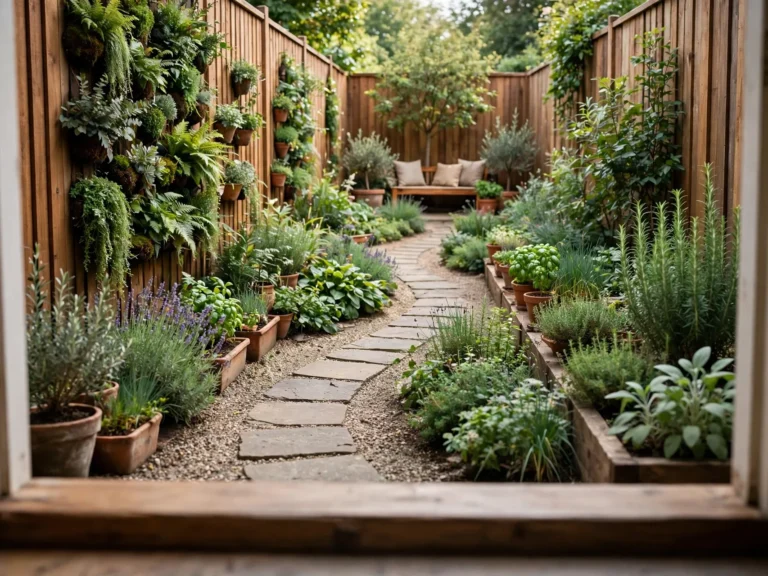
6. A Stone Path That Connects the Garden
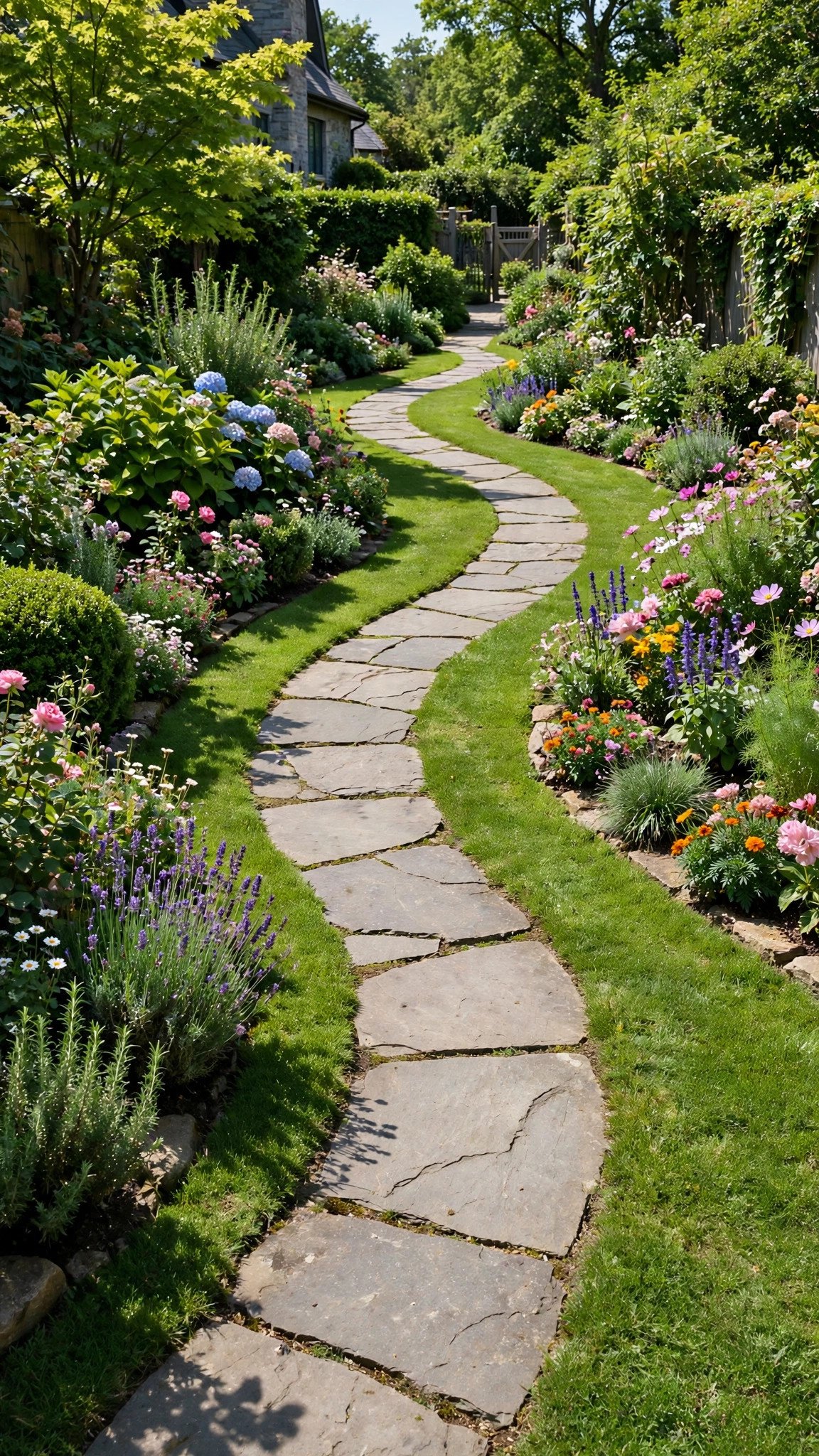
A simple stone or gravel path tells visitors where to walk and stops the lawn from getting worn into muddy tracks. Lay flat stones with small gaps for low ground cover, or pour a gravel path edged with timber. Either way, the path gives the garden a clear shape and makes the whole yard look bigger and tidier.
A path also splits the garden into clear beds, which makes planting easier to plan. Put the path where you already walk — from the gate to the door, from the house to the seating corner, from the patio to the vegetable beds. Follow the natural route, and the garden will feel like it was always meant to be that way.
What you need: Flat stones or gravel, timber edging, and a spade to level the ground.
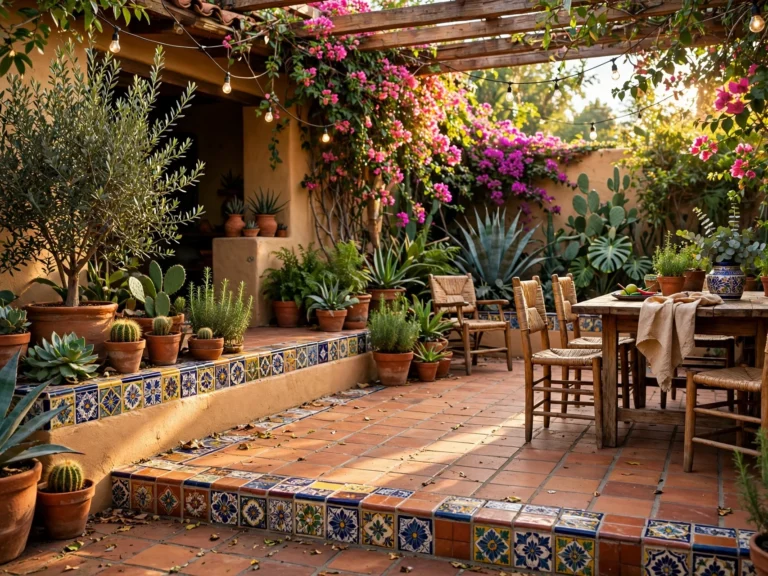
7. Container Gardens for Patios and Small Spaces
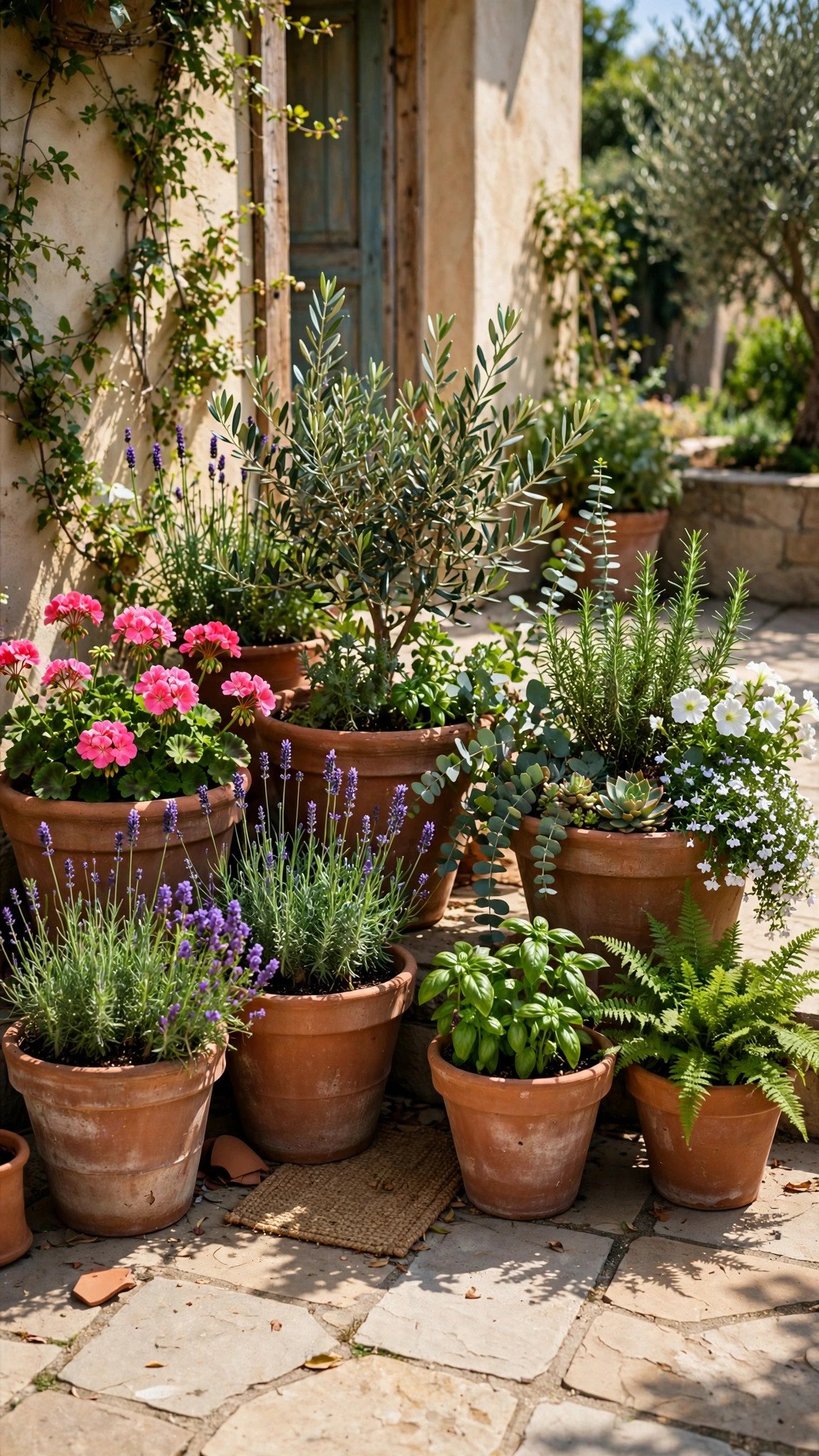
Containers are garden ideas for yards with almost no ground to plant in — pots, tubs and window boxes on a patio, porch or balcony. One large pot makes a stronger statement than ten small ones, so group pots in threes and mix tall, trailing and upright plants. The mix of shapes is what makes a group of pots look like a garden instead of a row of planters.
Containers also let you move plants into the sun or out of the wind, which is a big help in a small space. Use good potting soil, water more often than beds in the ground, and feed the plants once a month in summer. In winter, you can move tender plants close to the house wall where it stays warmer.
What you need: Large pots, potting soil, and a mix of tall, trailing, and upright plants.
8. A Herb Garden by the Back Door
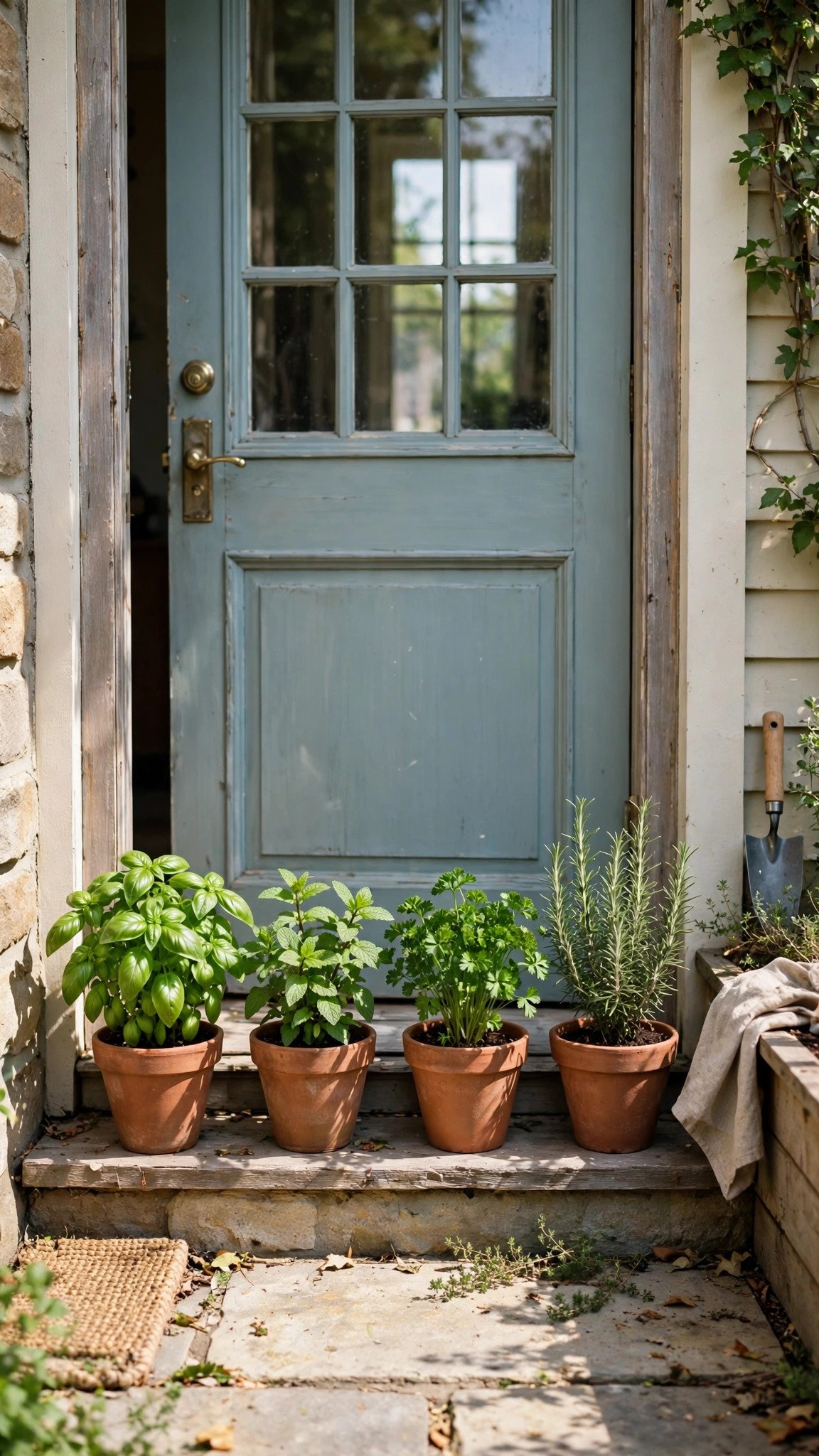
Herbs belong close to the kitchen door, where you can snip them while you cook. Grow basil, mint, parsley, rosemary and thyme in a small bed or a row of pots. They need sun and very little water once they settle in, and regular picking keeps them bushy and full of new leaves all season long.
Keep mint in its own pot, because it spreads fast and takes over a bed in a single summer. The other herbs are happy side by side in one bed. Cut a few sprigs at a time, and the plants will keep growing — a herb garden is one of the few garden ideas that pays for itself in the kitchen within weeks.
What you need: Pots or a small bed, sunny soil, and herb plants or seeds.
9. A Small Water Feature for Sound and Calm
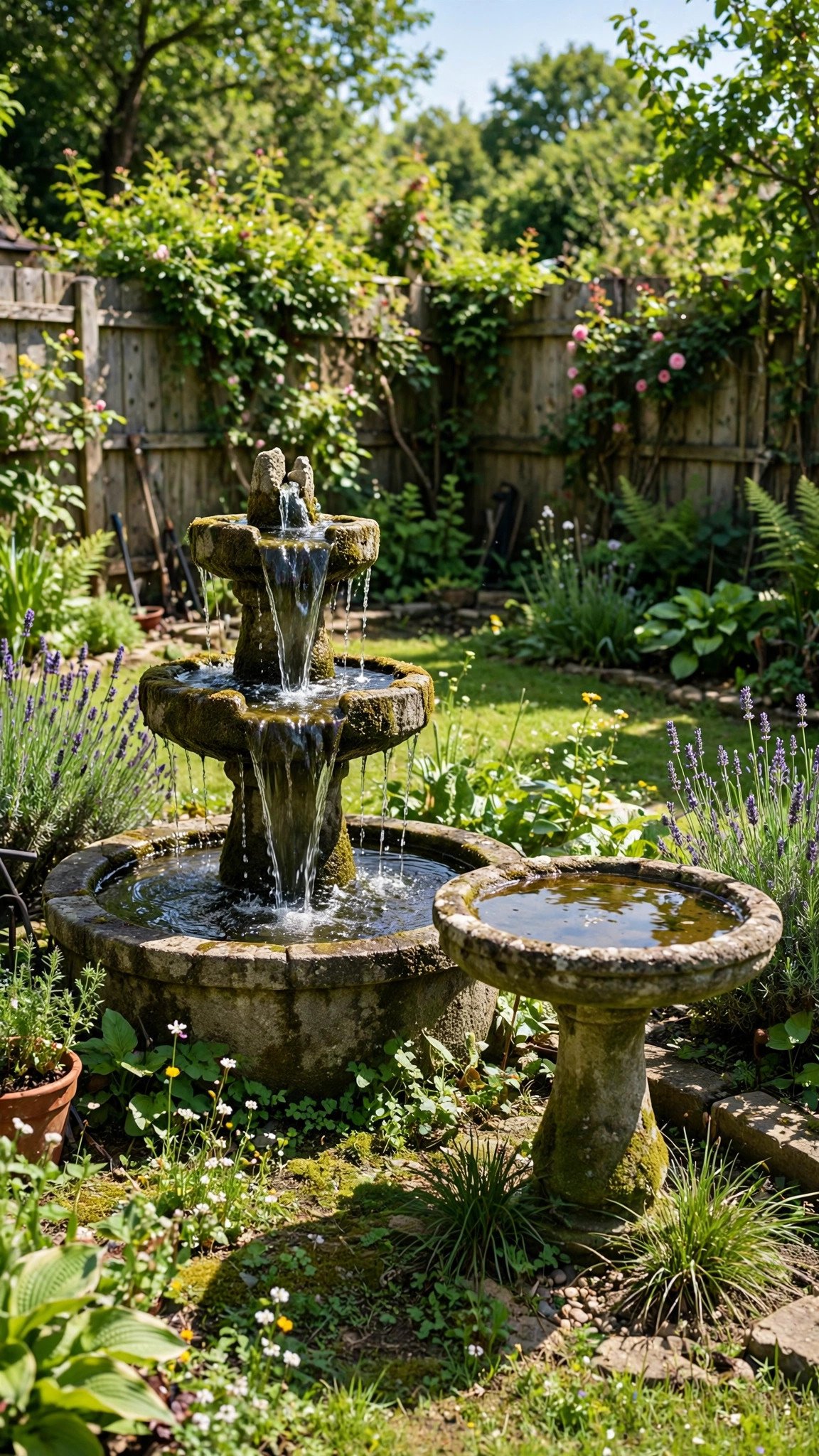
Even a tiny water feature adds sound and life to a garden. A small fountain, a birdbath, or a bowl with a solar pump is enough — you do not need a pond or a plumber. Place it where you can hear it from the seating area, keep it in partial shade so the water stays clear, and top it up in hot weather.
Birds will visit too, which makes the garden feel alive in a way plants alone cannot. A birdbath near a shrub gives small birds a safe place to drink and bathe, and their visits become one of the best parts of sitting in the garden. Keep the water clean and shalloww so it stays safe for them.
What you need: A small fountain or birdbath, a shady spot near seating, and fresh water.
10. String Lights for Warm Evenings
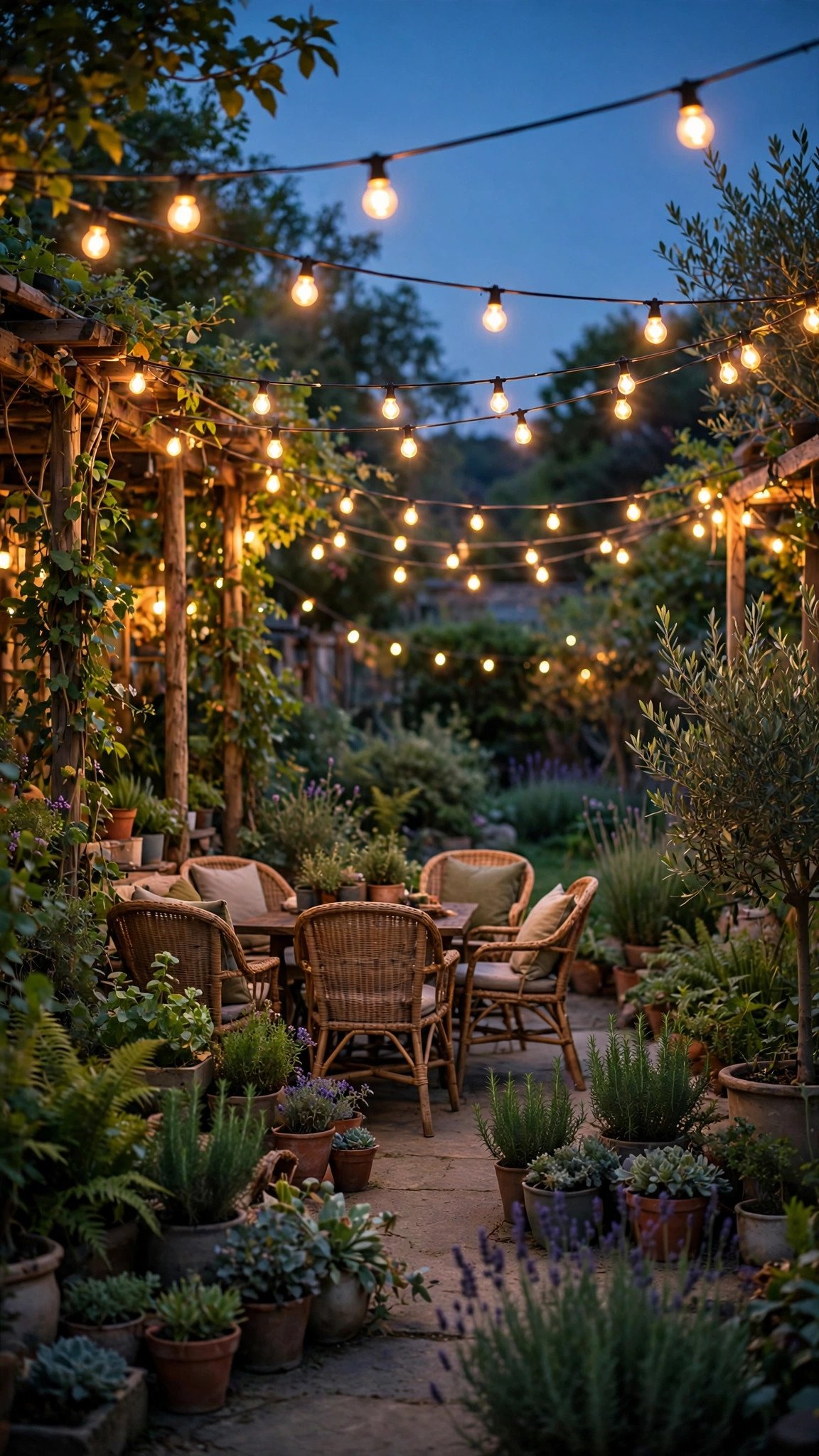
String lights are the fastest way to make a garden feel magical after sunset. Hang warm white lights along a fence, across a seating area, or through the branches of a tree, high enough to walk under. They cost little, need no digging, and turn an ordinary evening in the yard into something special.
Choose warm white bulbs, not bright white, because the warm glow flatters skin and plants far better than harsh light. Solar lights work well if you have no outdoor socket, and a simple timer means you never have to remember to switch them on. One string over the seating area is often all a small garden needs.
What you need: A string of warm white outdoor lights and a fence, tree, or post to hang them from.
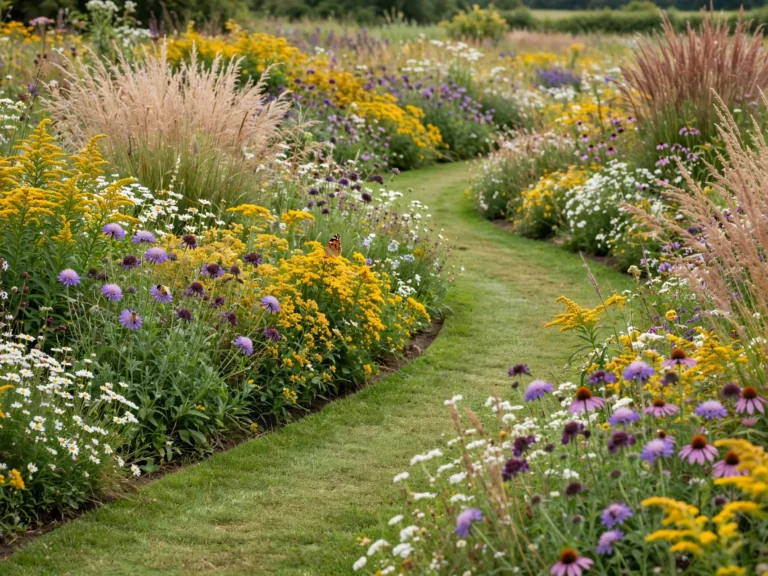
11. A Wildflower Patch for Bees and Butterflies
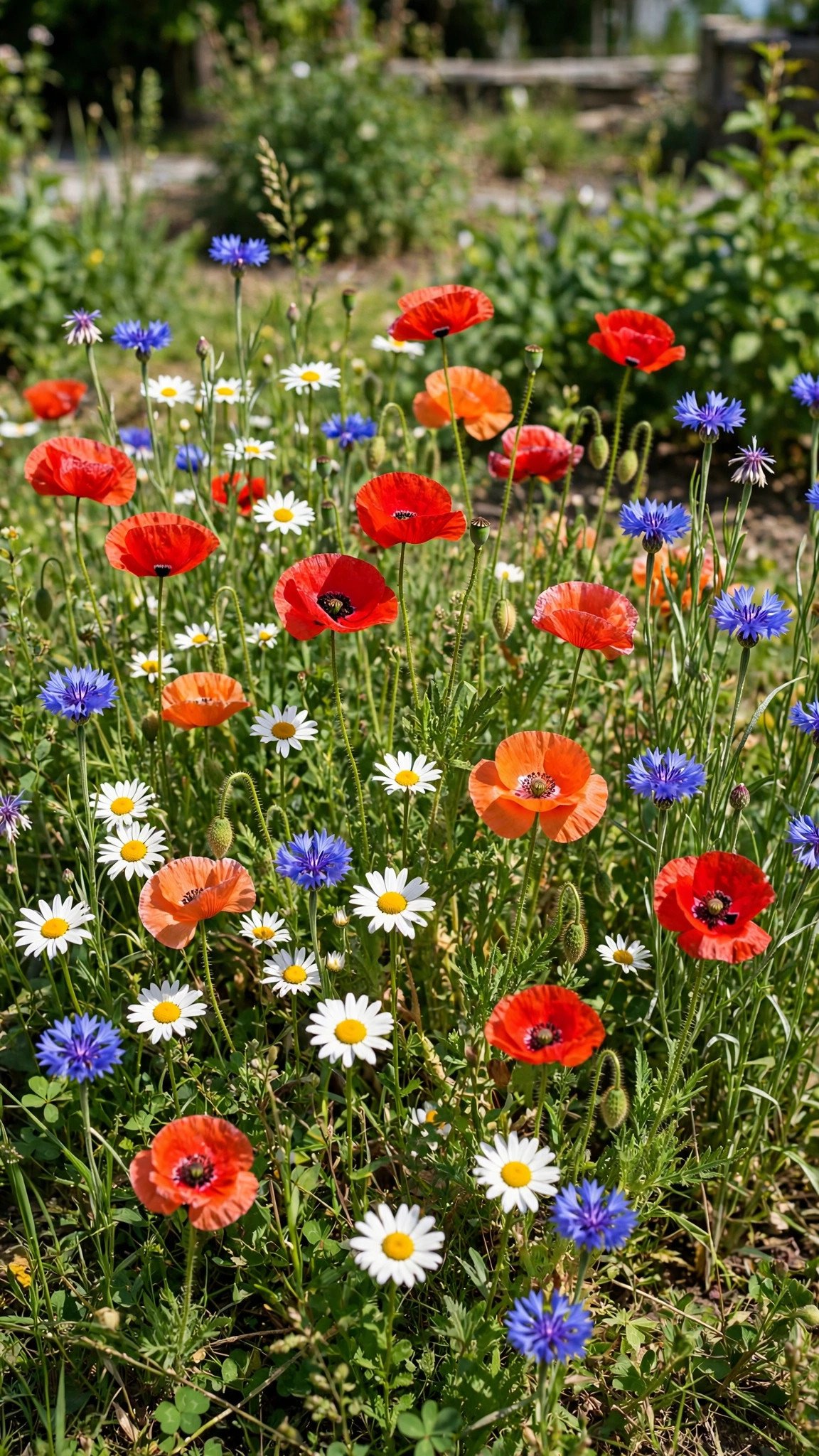
A wildflower patch is the easiest planting of all. Scatter seed on bare soil in a sunny spot and let it grow — no rows, no measuring, no fuss. It feeds bees and butterflies, needs almost no watering once the flowers are up, and looks different every week as new flowers open through the season.
Mow it once at the end of the season, and it comes back next year, often thicker than before. A wildflower patch is also perfect for a corner of the yard that is too awkward for lawn or beds. It turns a problem spot into the liveliest part of the garden, and it costs less than almost any other planting you can try.
What you need: Wildflower seed mix, a sunny patch of bare soil, and a rake.
12. Shade-Loving Plants for the Dark Corners
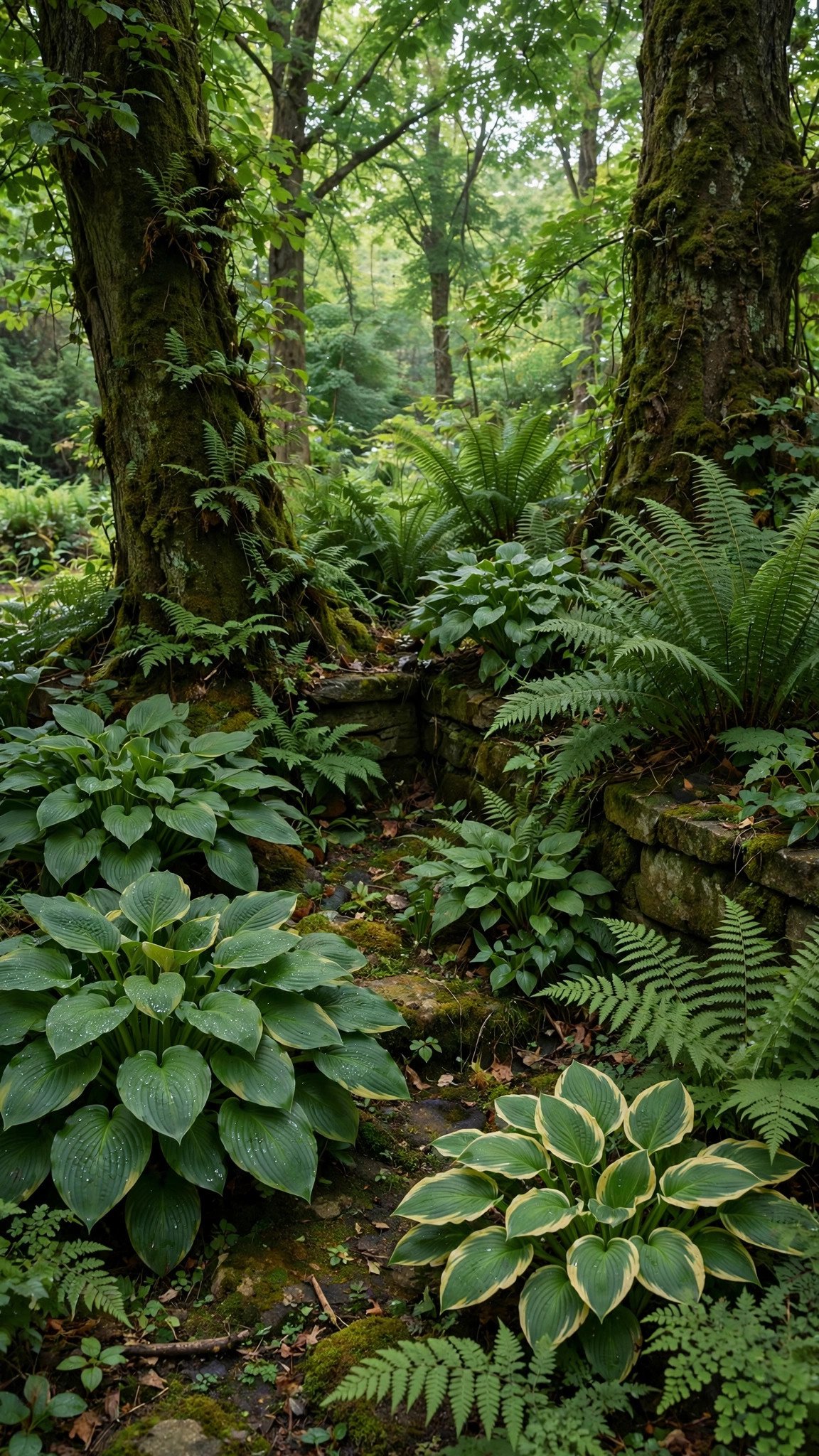
Shady corners are not dead space. Hostas, ferns, erns and other shade plants turn them into the coolest, calmest part of the garden. Plant them in groups under trees or on the north side of the house, where the sun never reaches, and add a layer of mulch to keep the soil moist. Shade planting works where lawns and sun flowers fail.
The trick is to work with the shade instead of fighting it. Pale green and white flowers show up best in dim light, and big leaves add a lush feel that sunny beds cannot match. A shady corner with ferns and hostas feels like a quiet woodland path, and it needs less watering than any sunny bed in the yard.
What you need: Hostas, ferns or other shade plants, compost, and mulch.
13. Layered Planting: Tall, Middle and Low
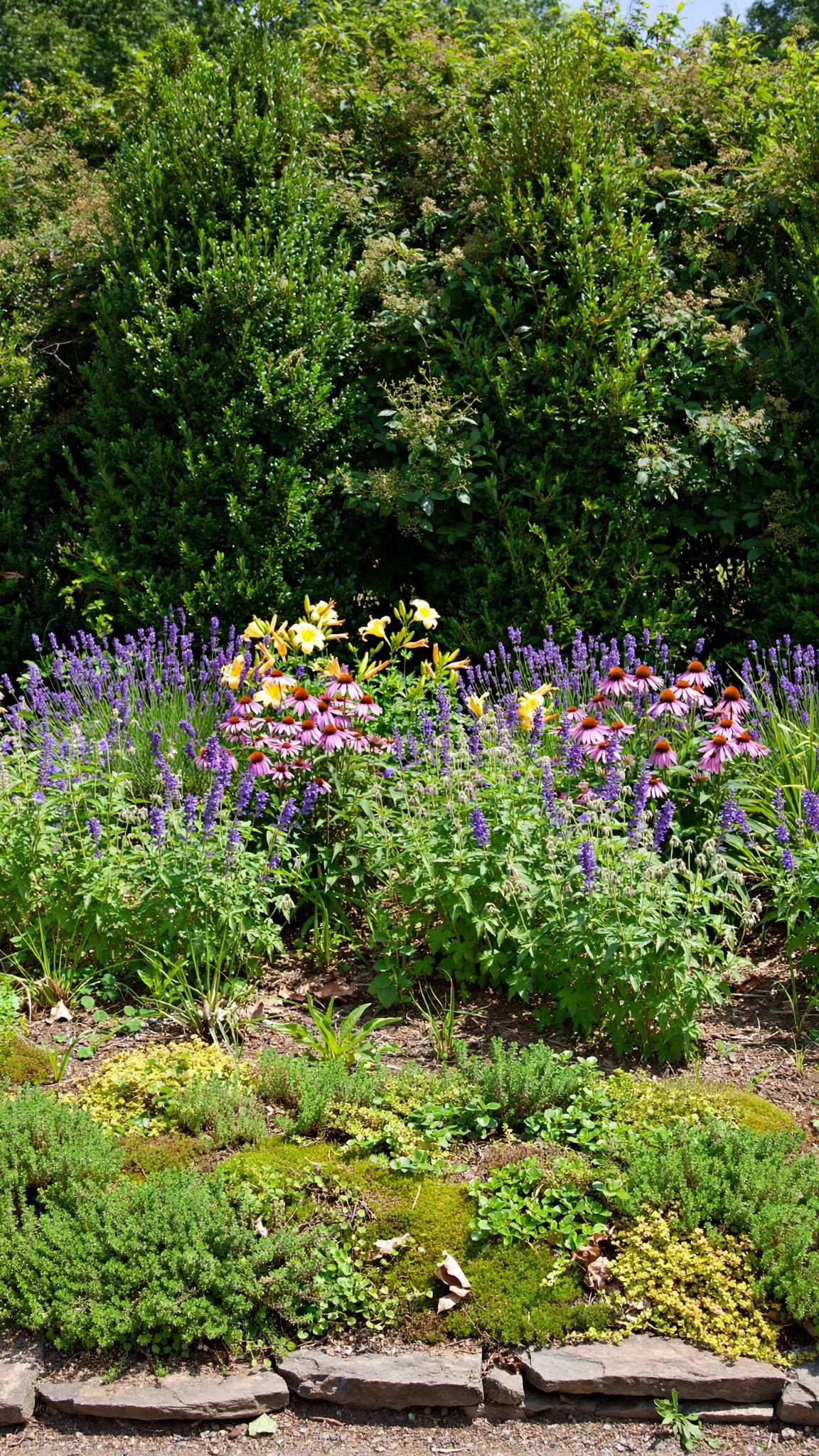
A garden looks full when plants are layered — tall shrubs or small trees at the back, medium perennials in the middle, and low ground cover at the front. Layering hides bare soil, gives the eye somewhere to travel, and keeps weeds down because the ground stays covered. It is the single easiest way to make a new garden look like it has been there for years.
Plan the layers on paper before planting, so nothing gets hidden behind something taller. Check the height each plant reaches when fully grown, not the size it is in the pot today. A border planted in layers looks good from day only gets better as the plants fill in around each other.
What you need: Tall shrubs, medium perennials, low ground cover, and a sketch of the layers.
14. A Fruit Tree or Berry Bush for Fresh Picks
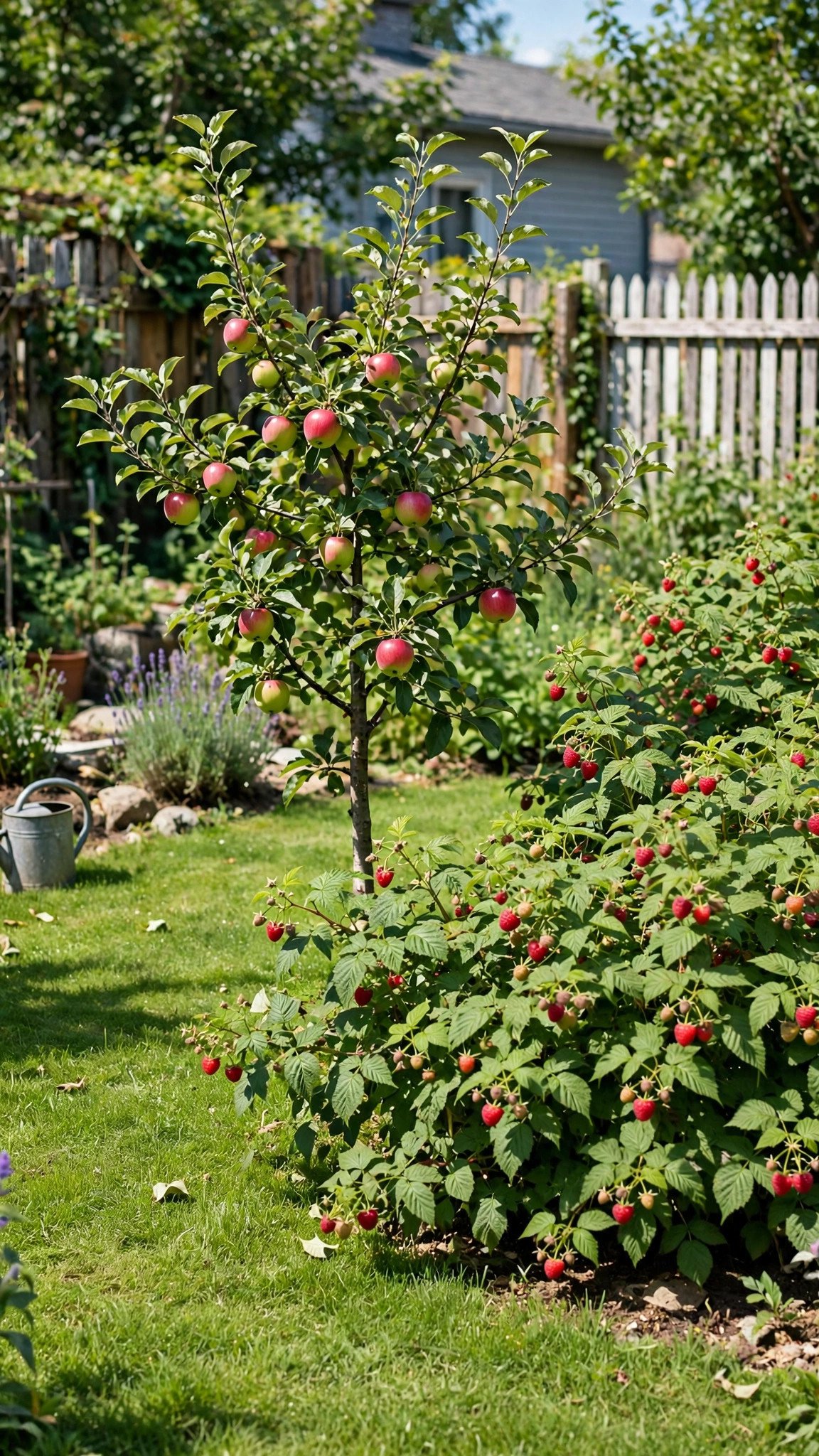
One fruit tree or a row of berry bushes gives the garden fresh food for years with very little work. Apples, pears and figs suit larger yards, while blueberries, raspberries and strawberries fit small spaces and even pots. Plant in a sunny spot with room to grow, water well in the first year, and prune once a year to keep the shape open.
Fruit also gives the garden a reason to visit every day in summer. Children love picking berries straight from the bush, and a small apple tree becomes a landmark the whole family remembers. Choose varieties that suit your climate, and ask at a local nursery if you are not sure which ones grow best near you.
What you need: A fruit tree or berry plants, a sunny spot, compost, and a watering can.
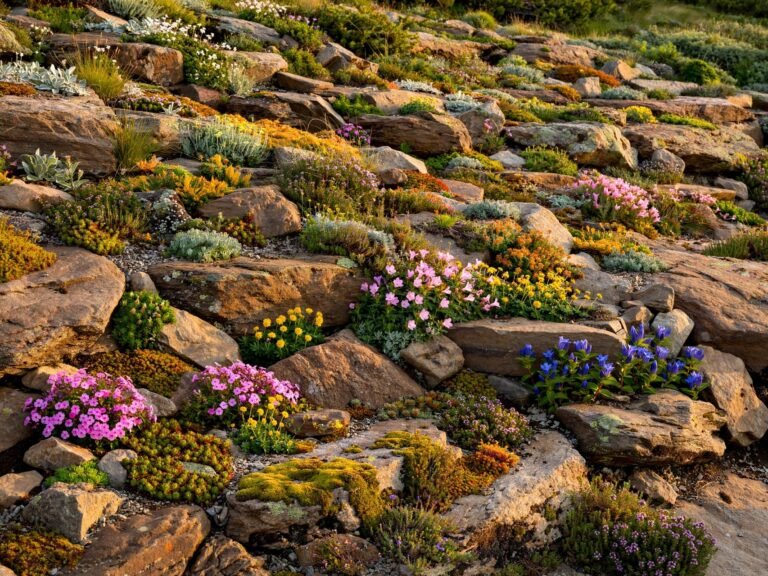
15. A Gravel Garden That Needs Almost No Water
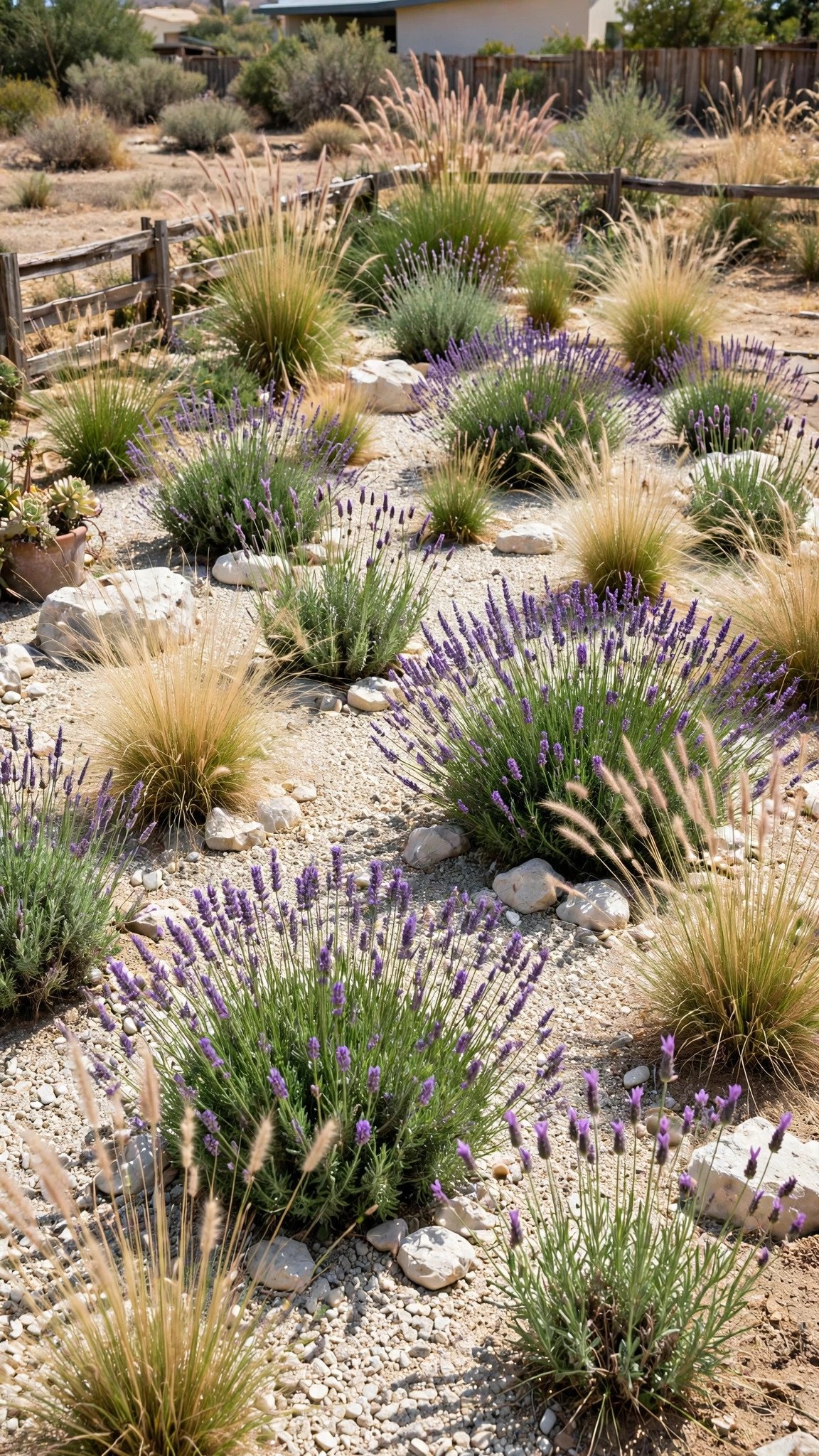
A gravel garden is the answer for dry, sunny spots where grass struggles. Spread gravel over the soil, plant drought-tough plants like lavender, ornamental grasses, asses and succulents through it, and the garden needs almost no watering. Gravel also stops weeds and looks tidy all year, which makes it perfect for a low-maintenance front or back garden.
The pale stones make the plants stand out, and the garden stays neat even in the hottest weeks of summer. Use a weed barrier under the gravel if the spot has been weedy before, and leave space between plants so air moves freely around them. A gravel garden is a good choice for anyone who loves plants but has little time to water.
What you need: Gravel, lavender or ornamental grasses, and a weed barrier.
16. A Cutting Garden for Fresh Flowers Indoors
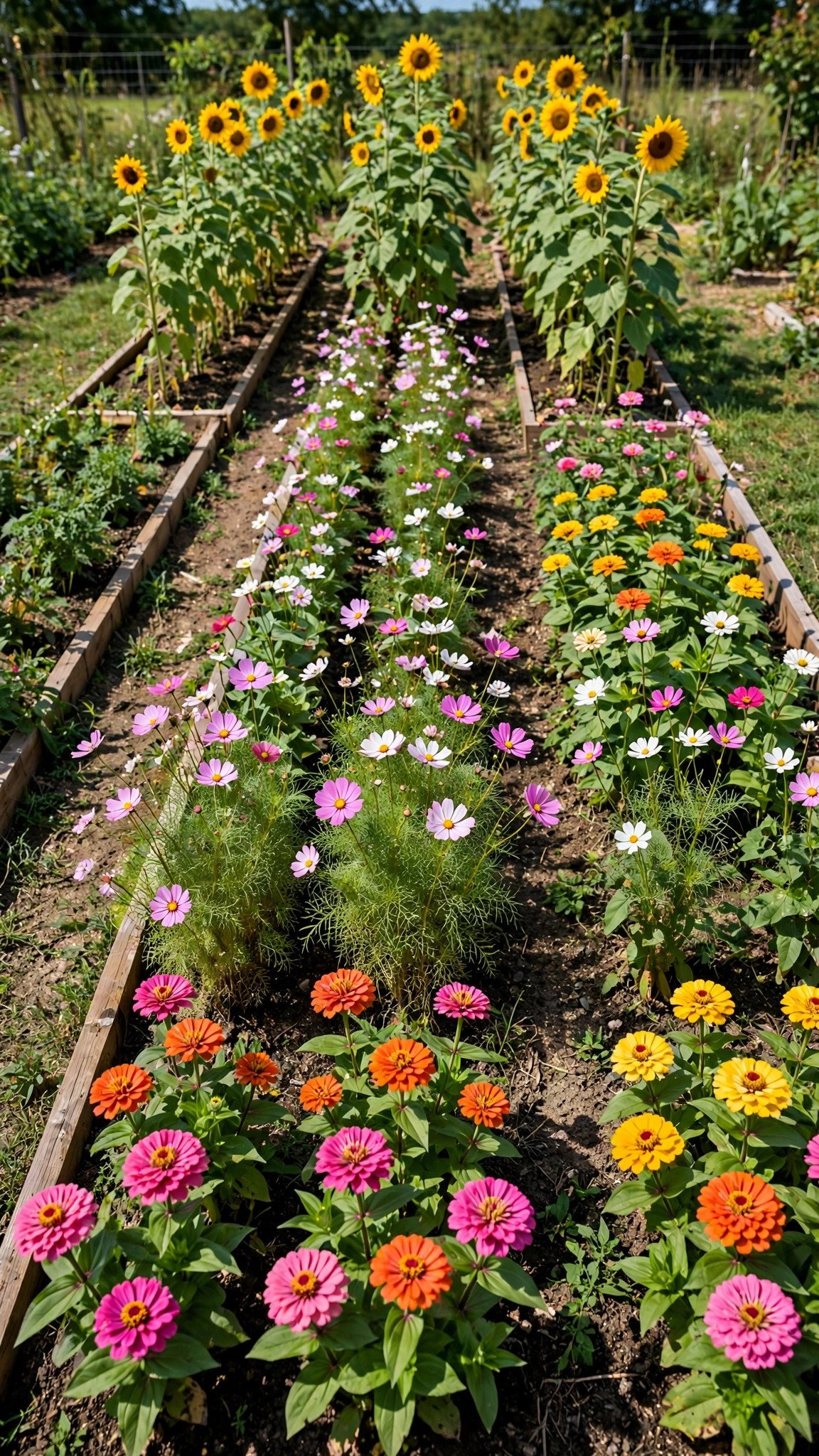
A cutting garden is a small bed grown just for picking. Zinnias, cosmos, sunflowers, and sweet peas give armfuls of flowers all summer, and the more you cut, the more they grow. Plant them in rows like vegetables, cut the stems in the morning when they are fresh, and one small bed will fill the house with fresh flowers for months.
Keep the cutting bed separate from the flower borders, so you never feel guilty about picking from the display beds. A sunny strip along a fence or beside the vegetable patch is ideal. Change the flowers each year if you like — the joy of a cutting garden is trying new colours and seeing what grows best.
What you need: Zinnia, cosmos and sunflower seeds, a sunny strip of soil, and sharp scissors.
17. A Fire Pit Corner for Cool Evenings
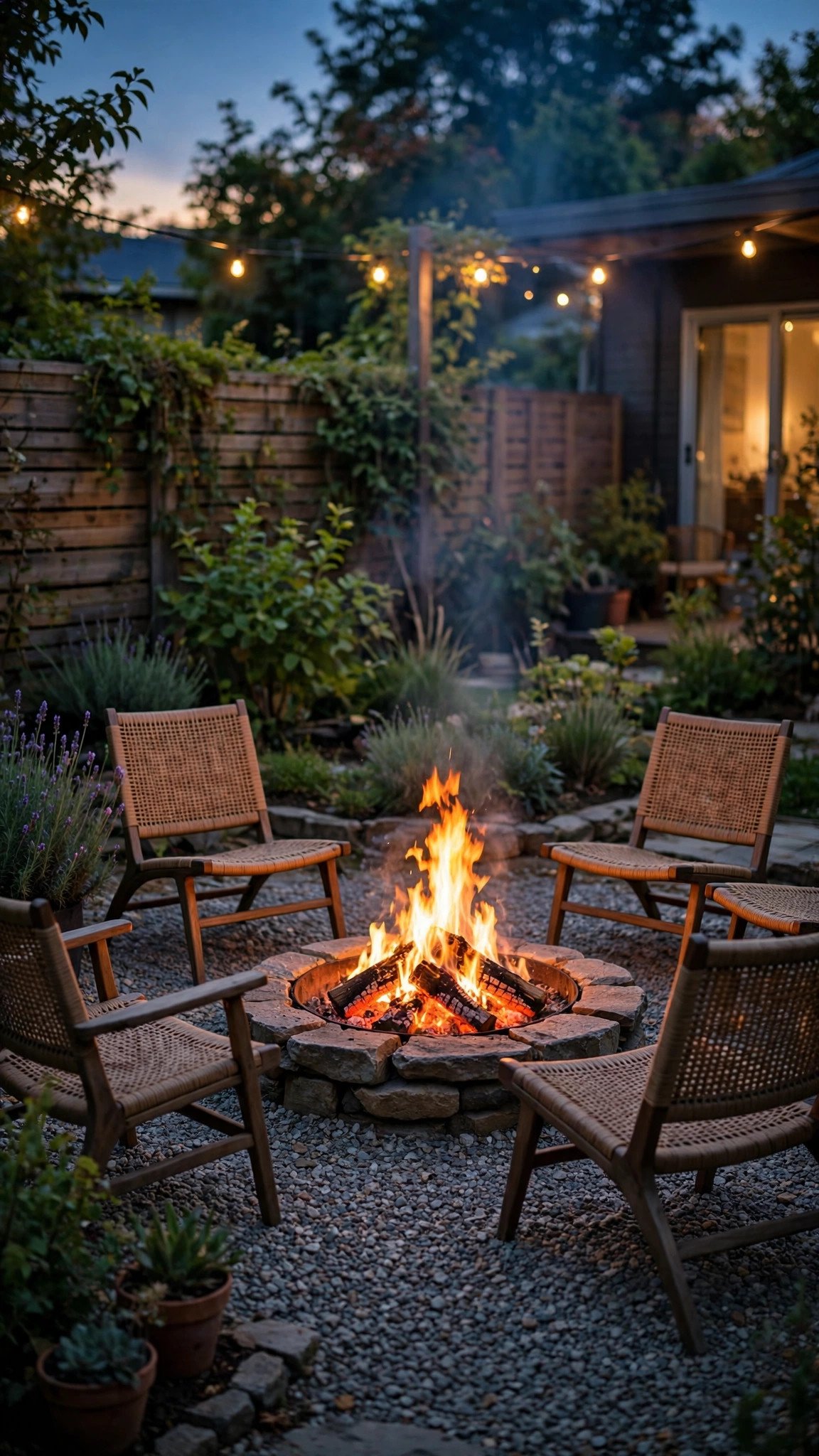
A fire pit turns the garden into a year-round place. A simple metal bowl or a ring of stones on gravel, with a few chairs around it, is enough to gather around on a cool evening. Keep it away from fences, trees, and the house; put gravel underneath so sparks cannot reach dry grass, and store a few logs nearby.
The fire pit corner becomes the best seat in the garden once the sun goes down. Add a couple of blankets on the chairs and a small table for drinks, and summer evenings stretch long past sunset. Check local rules before you build one, since some areas limit open fires in dry months.
What you need: A metal fire bowl or stone ring, gravel, chairs, and dry logs.
18. A Compost Corner That Feeds the Garden
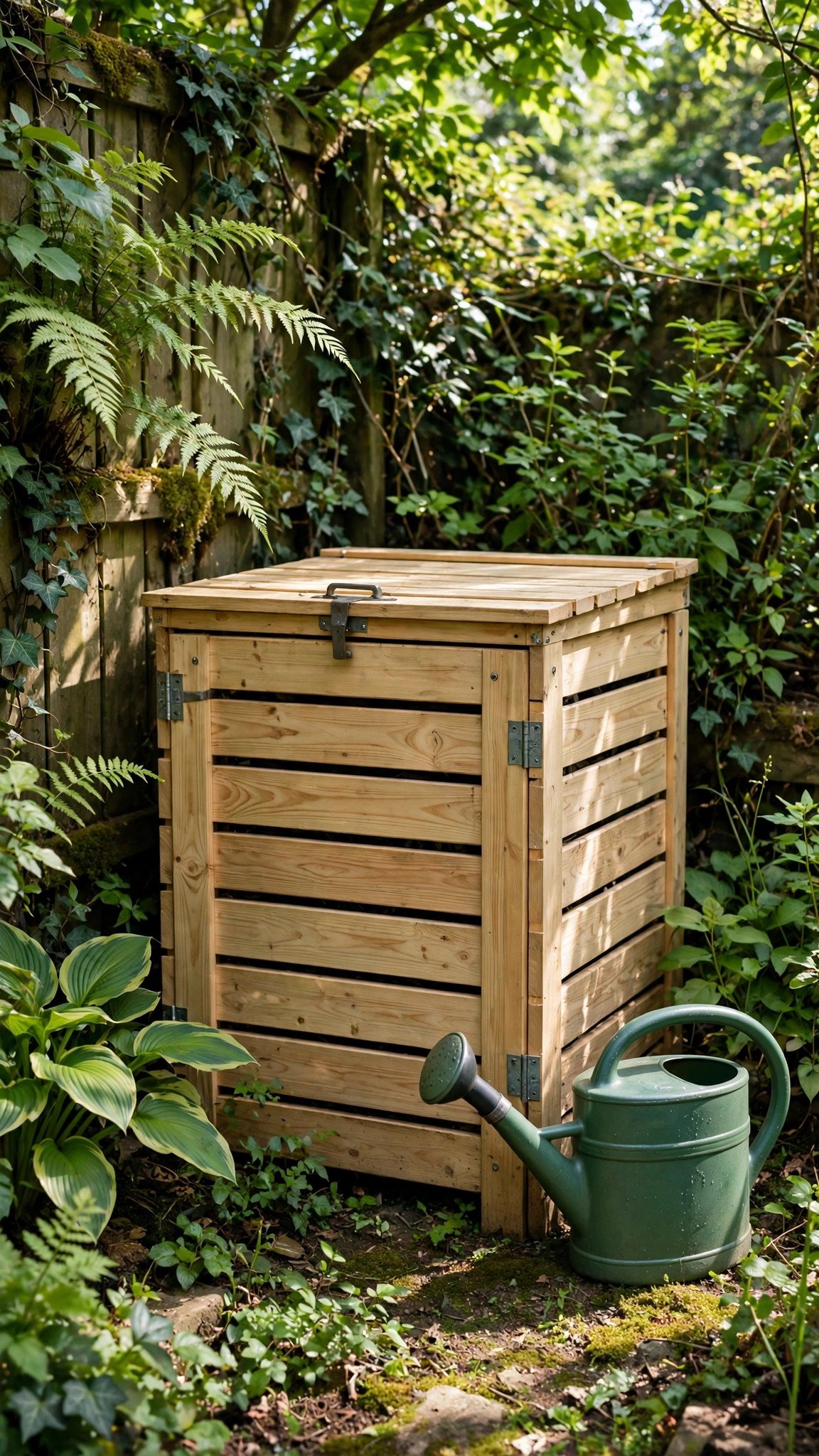
A compost corner turns kitchen scraps and garden waste into free food for the soil. Put a simple bin in a shady corner, add green waste and brown waste in layers, keep it damp, and turn it every few weeks. In a few months, it becomes dark, rich compost that makes every plant in the garden grow better.
Compost is the cheapest way to improve soil, and it costs nothing but a little patience. Vegetable peels, coffee grounds, grass clippings, dry leaves, and shredded paper all go in — just skip meat, dairy, and oily food. A garden fed with its own compost grows stronger plants and needs less store-bought feed.
What you need: A compost bin, kitchen scraps, dry leaves, and a garden fork.
19. Climbing Plants on a Trellis or Arch
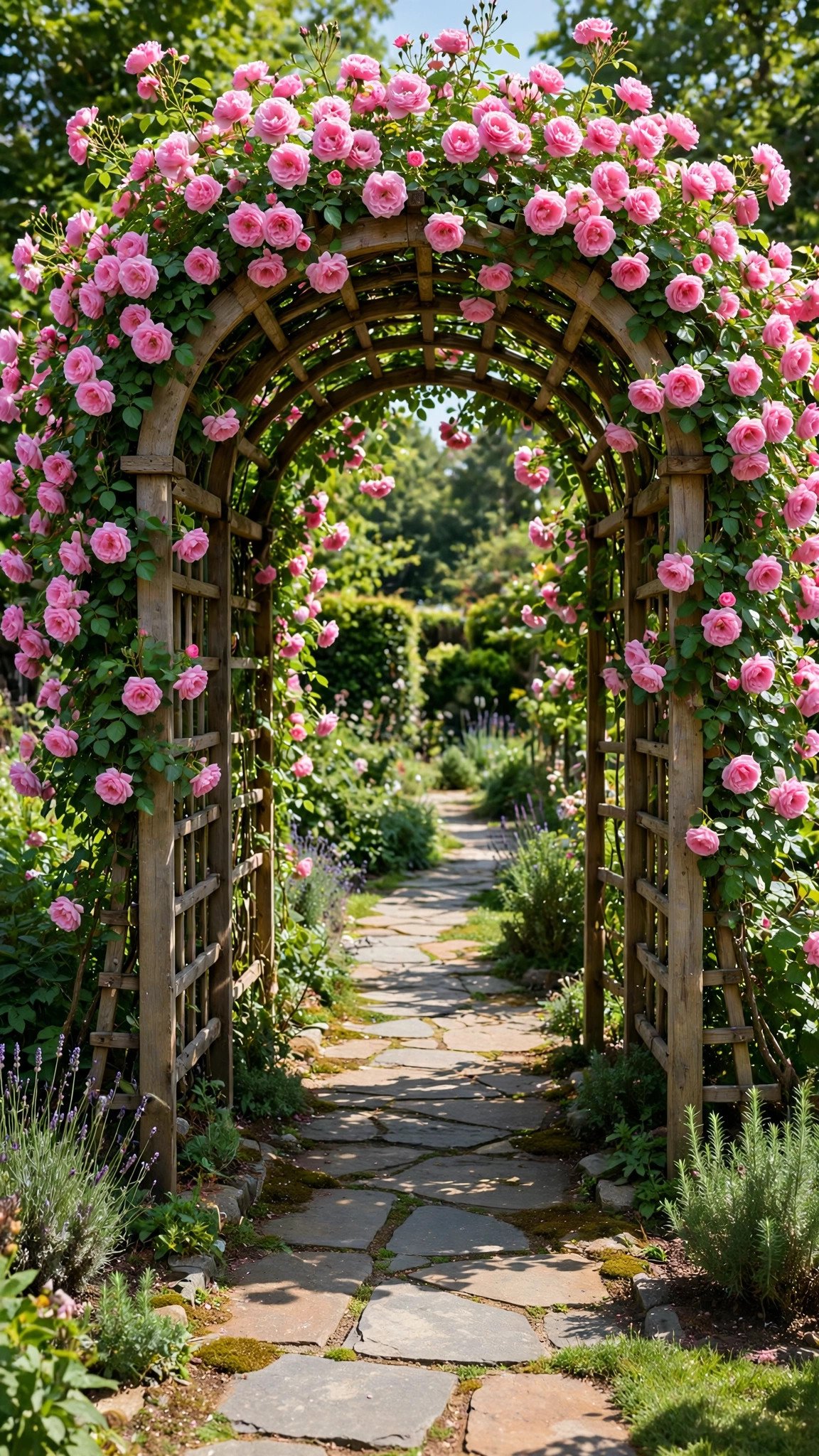
Climbing plants use vertical space, so they are perfect for small gardens. A trellis against a fence or an arch over a path, covered in roses, clematis or jasmine, turns a plain wall into a flowering feature. The flowers rise to eye level, which is exactly where a small garden often looks empty.
Fix the trellis firmly to the wall or fence before planting, guide young stems along it with soft ties, and prune after flowering so it stays tidy. A climbing rose over the front gate is one of the most welcoming sights a home can have, and it takes up almost no ground space at all.
What you need: A trellis or arch, a climbing rose or clematis, and soft plant ties.
20. A Play Corner for Kids in the Back Garden
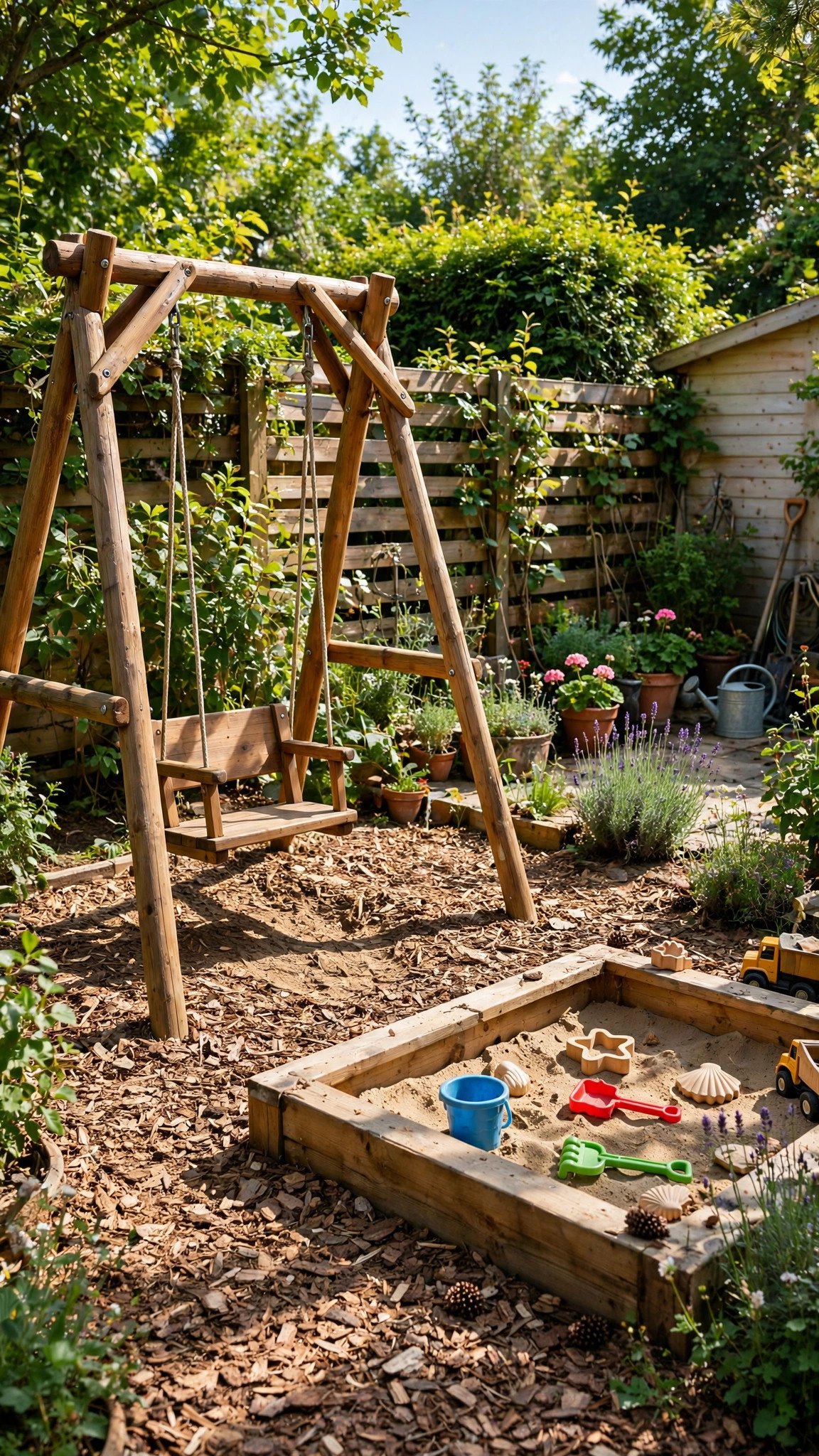
A play corner keeps children outside and keeps the rest of the garden tidy. A patch of lawn or soft bark with a swing, a sandpit, or a small climbing frame, set where you can see it from the house, gives kids their own place in the garden. Keep it simple and safe, with soft ground underneath and no thorny plants nearby.
The play corner also makes the garden work for the whole family. Children who grow up with a swing and a sandpit outside spend more time in fresh air, and they learn where food comes from when a vegetable bed grows beside their play space. As they grow, the corner can change — a sandpit today, a reading hammock tomorrow.
What you need: A swing or sandpit, soft bark or lawn, and a spot visible from the house.
21. A Four-Season Plan So the Garden Looks Good All Year
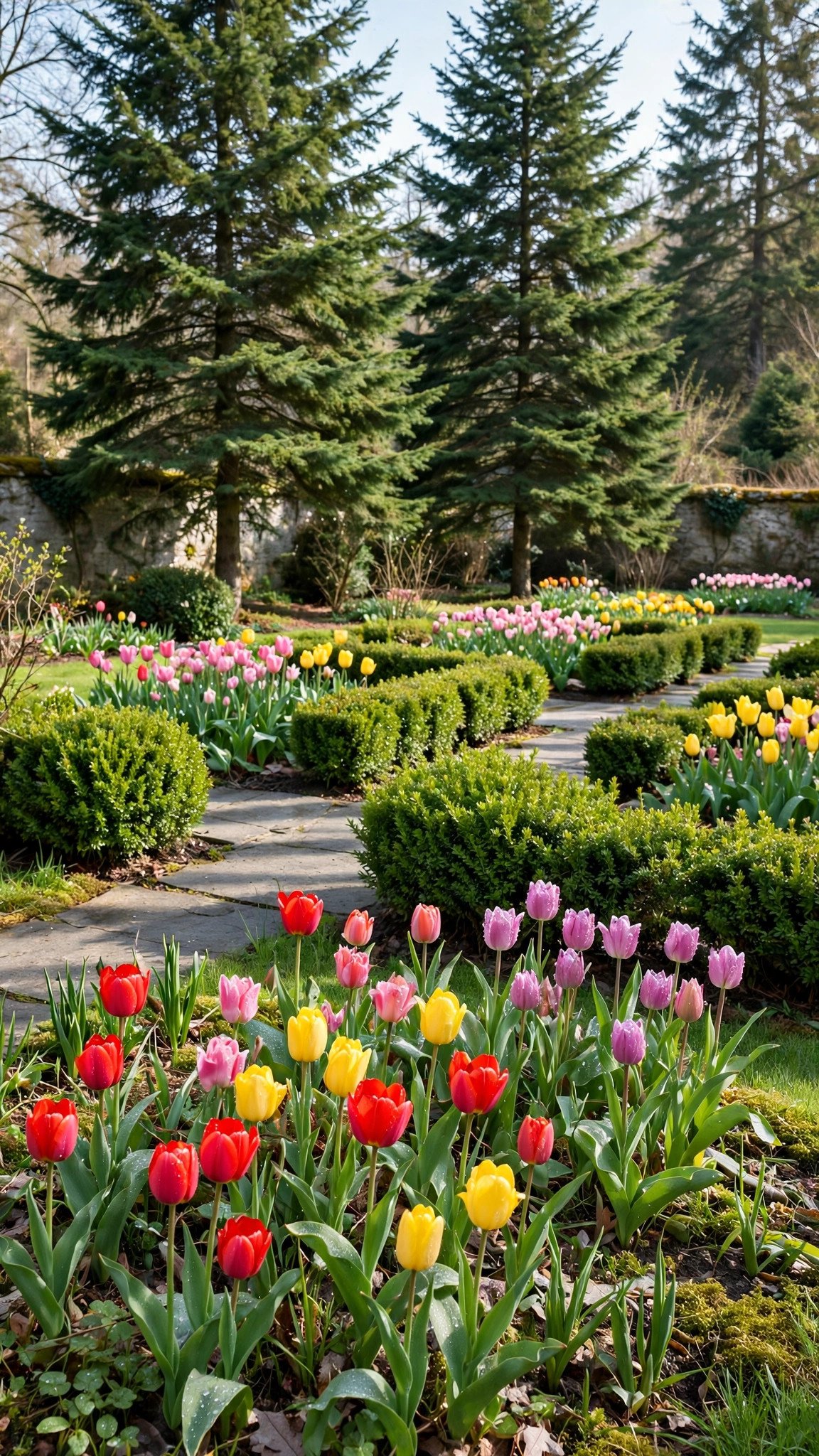
The best gardens are planned for all four seasons, not just summer. Spring bulbs, summer flowers, autumn colour from shrubs, and evergreens for winter structure — mix plants that shine in different months, so something is always in flower or in leaf. A four-season plan stops the garden looking empty for half the year.
Start with evergreens for winter shape, then add spring bulbs like tulips and daffodils, summer perennials, and one or two shrubs with bright autumn leaves. The garden will change through the year, and every season will have its own moment. That is what makes a home garden feel alive instead of just pretty for a few weeks.
What you need: Evergreen shrubs, spring bulbs, summer perennials, and one autumn shrub.
Which Garden Idea Fits Your Yard?
If the yard is small, start with containclimbingbin,g p, lants and one seating spot — they use vertical space and need almost no ground. If the yard is big, start with the layout, zones and a wildflower patch, because a big garden needs structure before it needs plants. If the budget is small, start with raised beds, string lights and a cutting garden, which give the most beauty for the least money.
If the yard is shady, start with shade plants and a seating corner under the trees, and let the cool green planting do the work. If you want food, start with the vegetable patch and the herb garden by the door. Pick two or three ideas that fit your yard, not all 21 at once — a garden grows best one idea at a time.
Plan Your Garden in 4 Simple Steps
Step 1 — Watch the sun. Spend a day noting which spots get six or more hours of sun and which stay shady. Plants go where they will thrive, so this one day of watching saves a season of guessing.
Step 2 — Sketch the layout. Draw the lawn, beds, path, and seating on paper, in that order. Keep one open space in the middle and put the beds around the edges, so the garden has room to breathe.
Step 3 — Fix the soil first. Mix compost into the beds before planting anything. Then plant the big things first — trees, shrubs and beds — before the small flowers and herbs.
Step 4 — Add the finishing touches last. Seating, lights and water come after the planting. Live with the garden for a season before changing anything, because a garden always looks different once the plants settle in.
Garden Mistakes to Avoid
- Planting without checking the sun — watch the sun for a day before planting anything.
- Planting one of everything — repeat a few plants so the garden looks calm, not busy.
- No path through the garden — add a simple path before planting more beds.
- Watering in the heat of the day — water early in the morning or in the evening instead.
- Ignoring the soil — mix in compost before planting, not after.
- Trying to do everything in one weekend — start with one bed and add more over the season.
FAQS
What is the easiest garden idea for a beginner?
Start with one raised bed or a few containers. Fill them with good soil, plant easy flowers or herbs like basil and marigolds, and water in the morning. One small bed teaches you hhow sun soil and watering work before you take on a bigger garden.
How do I start a garden in my backyard?
Watch the sun for a day and mark the sunny and shady spots. Sketch a simple layout with a lawn, beds, a path, and a seating spot, then fix the soil with compost. Plant the big things first, like shrubs and trees, and add small flowers and herbs after.
What should I plant first in a new garden?
Plant easy growers that forgive mistakes — lettuce, beans, marigolds, zinnias, and herbs like basil and mint. They grow fast, need little care, and show results in weeks, which keeps a beginner going. Start with a few types and add more once you see what grows well in your soil.
How can I make a small backyard garden look bigger?
Use one clear path, repeat a few plants instead of many, and add climbing plants on a trellis to use vertical space. Keep one open patch of lawn and avoid filling every corner, because a tidy garden with clear lines always looks bigger than a crowded one.
How much does it cost to start a home garden?
Very little to start — one raised bed, a bag of soil, some compost, and a few seed packets are enough for a first garden. Use seeds instead of big potted plants, start small, and add more as the garden grows. Most beginners spend far less than they expect.
How do I keep my garden looking good all year?
Mix plants for every season — spring bulbs, summer flowers, autumn shrubs, and evergreens for winter. A four-season plan means something is always in flower or in leaf, so the garden never looks empty. Add mulch in autumn and prune in late winter to keep it tidy.
What garden ideas work for a shady yard?
Shade-loving plants like hostas and ferns, a seating corner under the trees, and a layer of mulch to hold moisture. Shady yards suit calm, green planting better than sun flowers, so work with the shade instead of fighting it, and choose pale flowers that show up well in dim light.
Conclusion
A beautiful home garden is not about money or size. It is about a simple plan and a few ideas done well — a layout that fits your yard, one raised bed, and a place to sit and enjoy it all.
Start with those three, then add the rest one idea at a time. The garden will grow with you, season by season, into a place that feels like home.