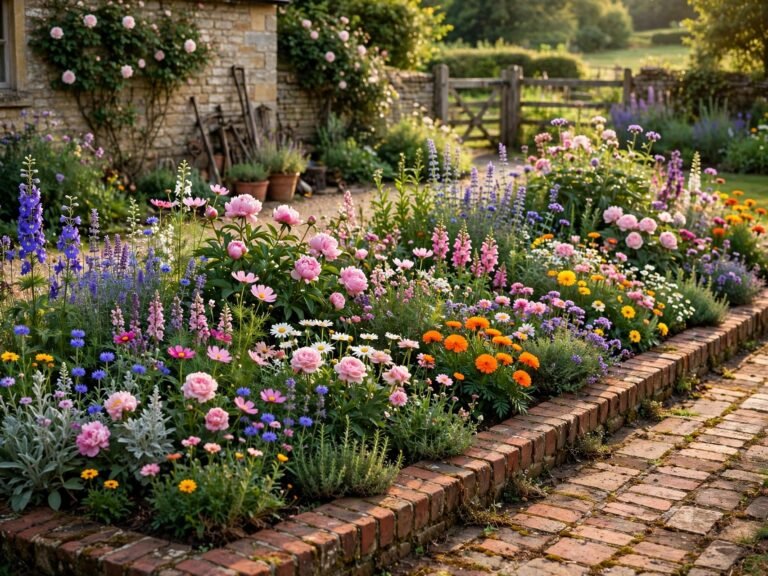
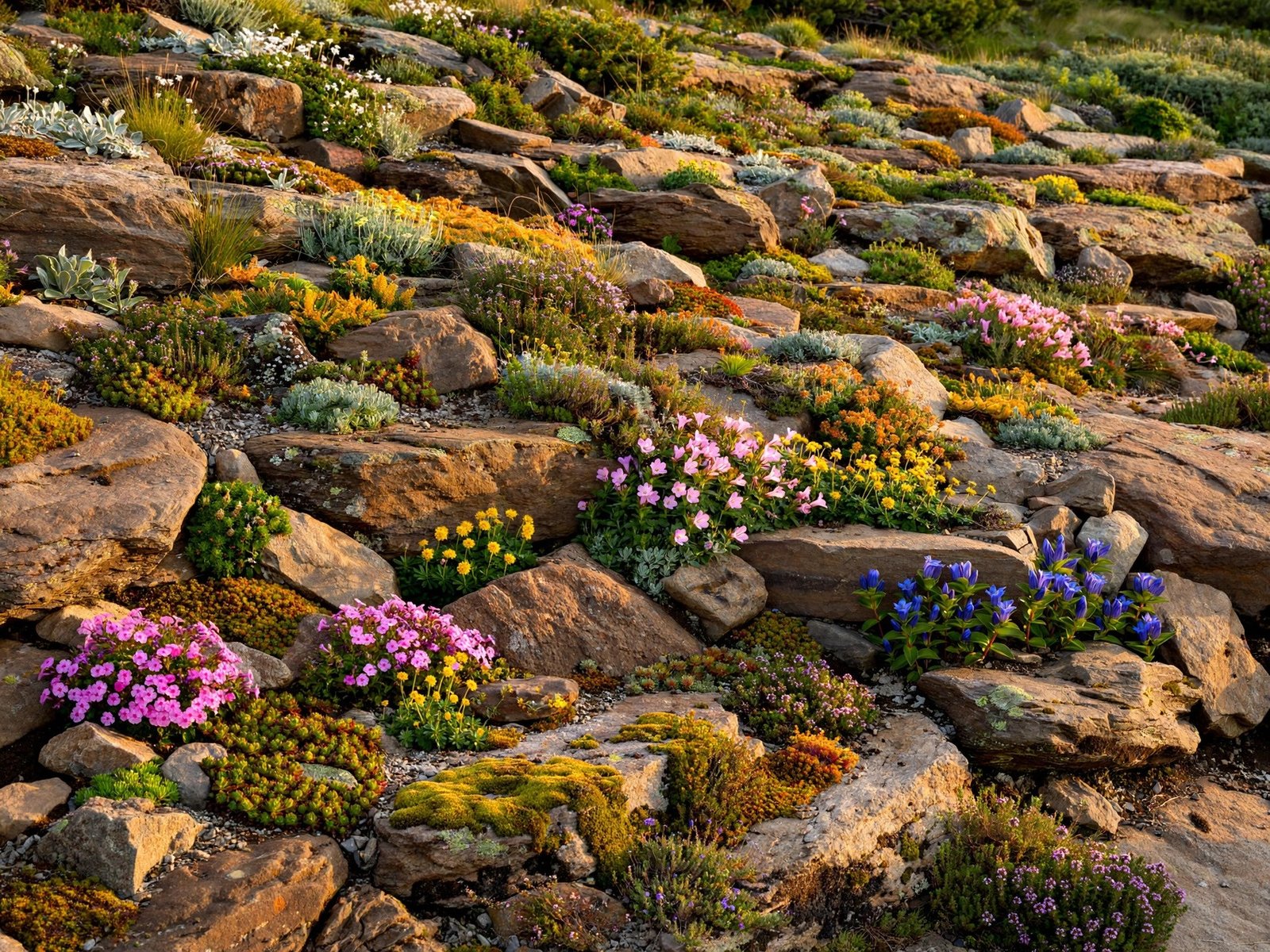
13 Rockery Garden Ideas for a Beautiful Low-Maintenance Garden
A rockery garden is one of the most useful features you can add to a yard. It mixes natural stone with hardy plants to create a garden that looks good all year and asks for very little care. Whether your yard is sloped, flat, sunny, or shady, there is a rockery style that fits it.
The secret is balance. Too much stone feels harsh and cold. Too many plants hide the beauty of the rocks. The best rockeries copy nature — uneven groups of stone, plants tucked into gaps, and open space where the eye can rest. In this guide, you will find 13 rockery garden ideas for real yards, with what you need and how to build each one.
A rockery also solves awkward spots. A dry slope, a shady corner, or a narrow strip by the fence all become features instead of problems. Once the stones are set and the plants settle in, the garden mostly looks after itself.
Rockery Garden Idea at a Glance
If you want one answer fast, here it is. A dry riverbed rockery is the best starting point for most yards. It looks natural, solves drainage problems, and works on flat ground as well as slopes. It also uses materials you can find at any garden centre, and you can build it in a weekend.
- Best all-round choice: Dry Riverbed Rockery — natural, practical, and easy to adapt.
- Best for slopes: Tiered Hillside Rockery — turns a difficult slope into usable garden space.
- Best for small yards: Mini Rockery for Small Spaces — big texture in a tiny footprint.
- Best for a calm, modern look: Japanese-Inspired Stone Garden — simple, clean, and peaceful.
- Best for evening magic: Night-Lit Rockery Garden — warm lights make the stones glow after dark.
1. Alpine-Inspired Mountain Rockery
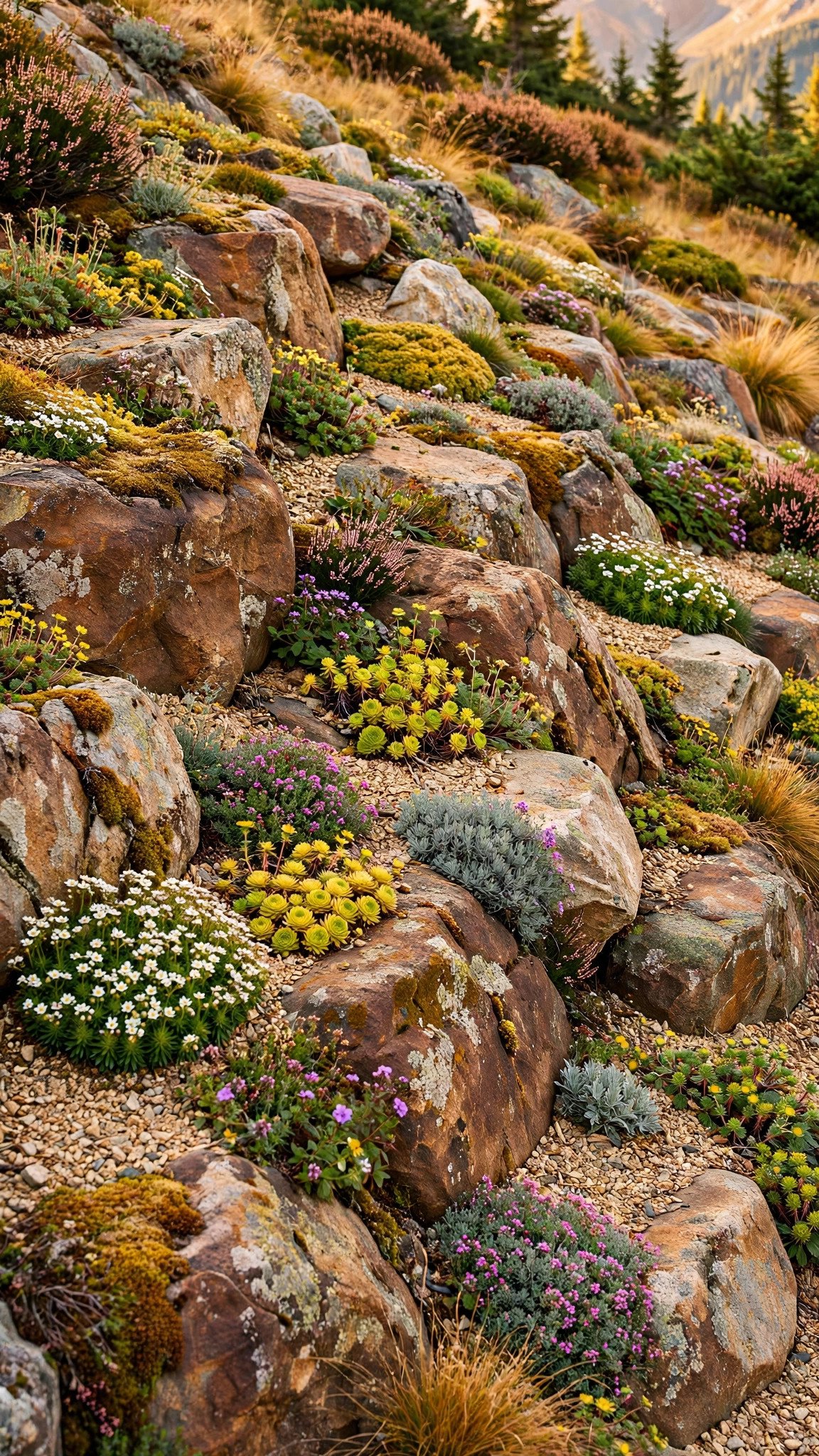
An alpine rockery copies the look of a mountain slope. Large stones sit at different heights, and small alpine plants grow in the gaps between them. This style works best on slopes, where the stones also help with drainage. The key is to avoid neat, even rows. Nature is irregular, and your rockery should be too.
Start with the largest stones and bury about one-third of each one so it looks settled and stays stable. Fill the gaps with free-draining soil and plant alpine varieties in small groups. Finish with gravel mulch around the plants to keep weeds down and hold moisture in the soil. Use rocks from the same stone family so the whole feature feels like one natural outcrop. A small stone seat tucked into the slope gives you somewhere to sit, and the gravel paths between the rocks keep your shoes clean after rain.
2. Dry Riverbed Rockery
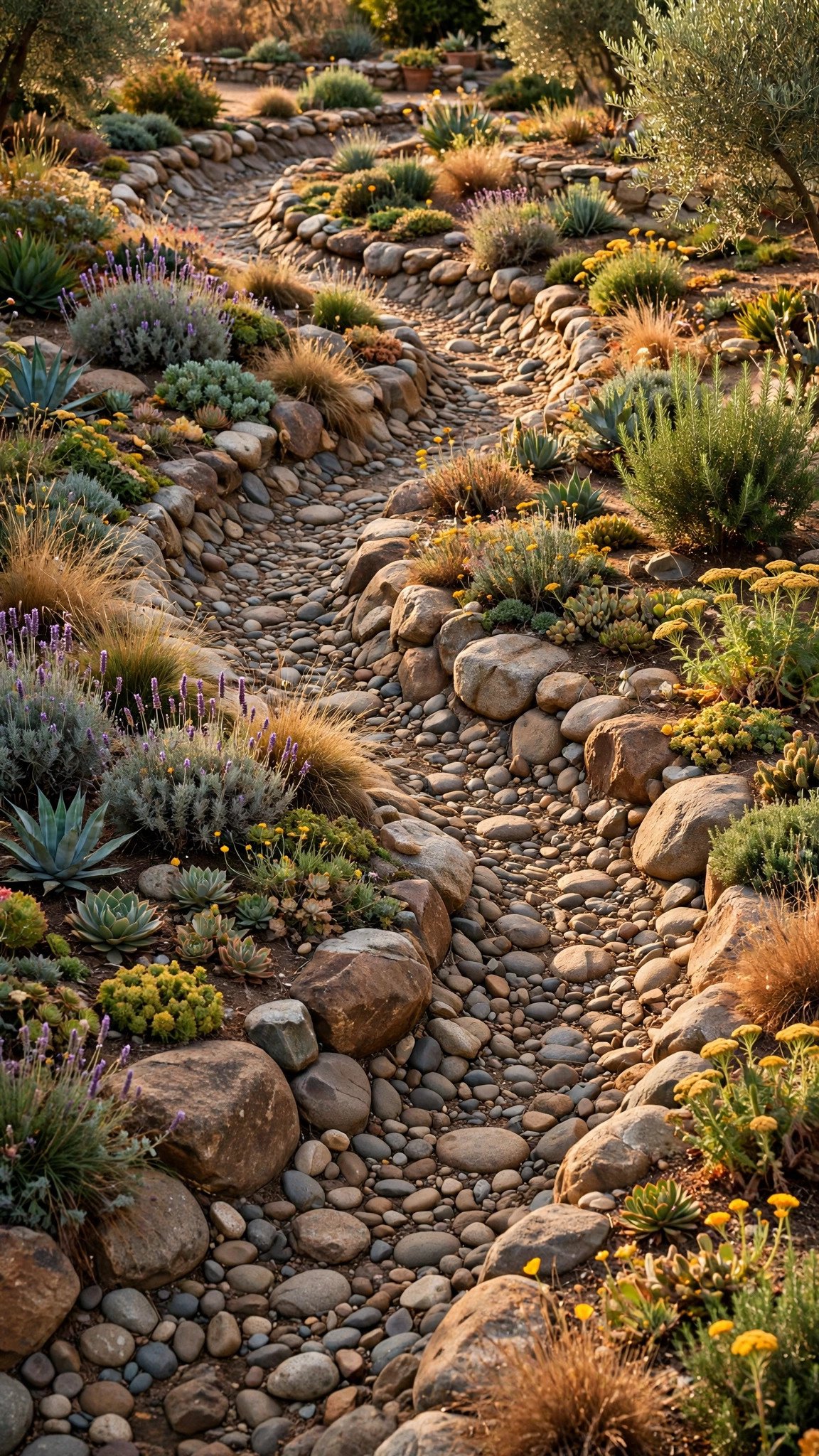
A dry riverbed looks like a stream that only runs after rain, and it solves real drainage problems at the same time. Rainwater follows the channel instead of pooling on the lawn. Curved lines and mixed stone sizes make it feel real and draw the eye through the garden. It works on flat ground as well as slopes.
Dig a shallow winding channel, then place large boulders along the edges and smaller river rocks in the middle. Plant drought-tolerant varieties along the banks to soften the edge where stone meets lawn. Avoid straight lines — gentle curves help the feature blend into the garden. A dry riverbed is one of the most forgiving rockery builds for a first-timer. A wooden footbridge over the widest part of the channel adds charm, and the rocks along the banks stop soil washing into the lawn.
3. Succulent Rockery Display
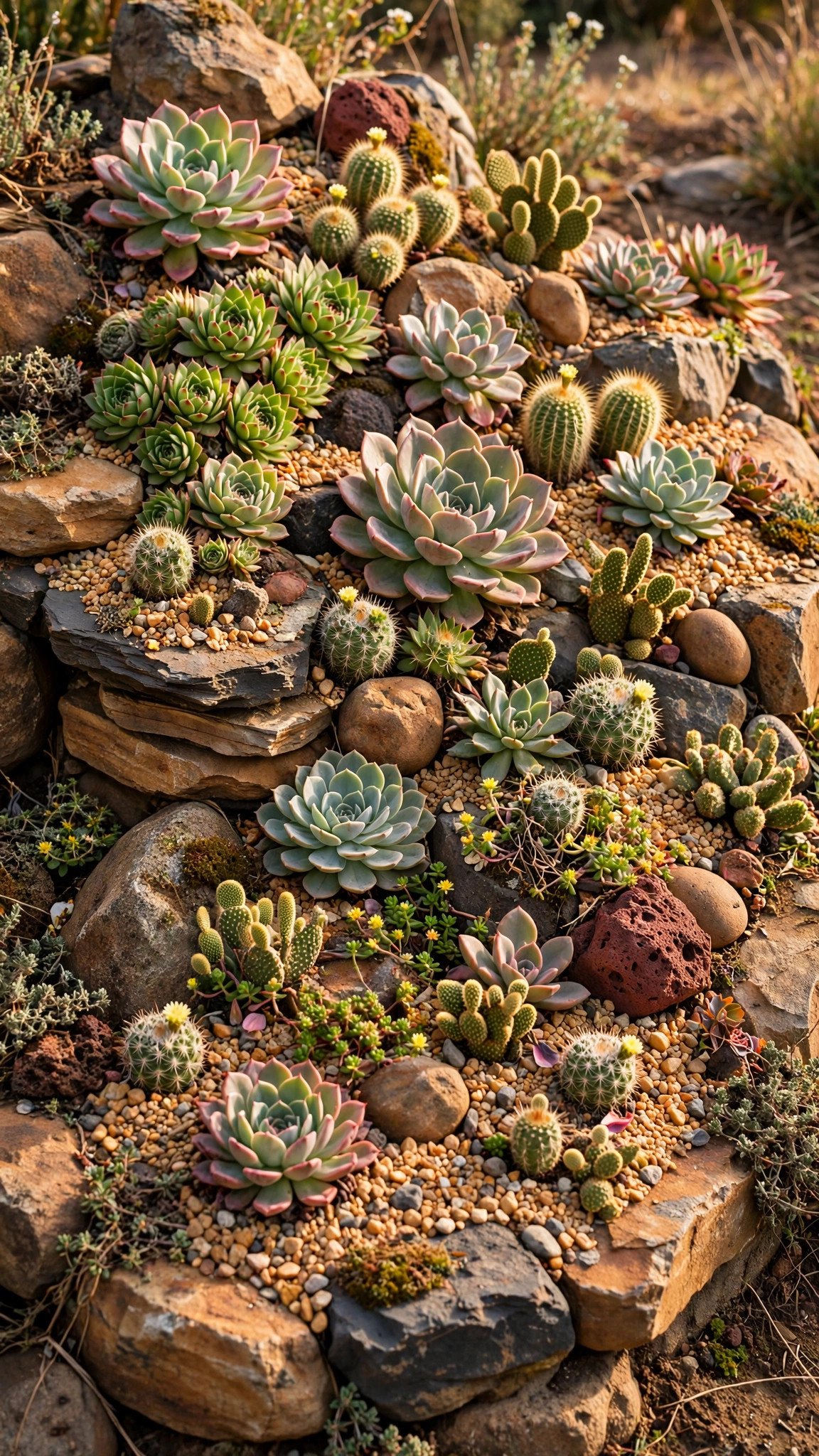
Succulents and rocks belong together. Both love sun and sharp drainage, and both look good all year. Mixing upright, trailing, and rosette-shaped succulents gives you layers of texture without much work. This idea suits sunny spots, front yards, and anyone who wants a bold look with very little watering.
Arrange the rocks first to set the structure, then plant the largest succulents as focal points. Fill the gaps with smaller varieties and finish with gravel top dressing for a clean look. Use cactus soil or a gritty mix so water drains fast and roots never sit wet. In cold areas, choose hardy sedum and sempervivum that survive frost outdoors. A few pieces of driftwood between the succulents add height and texture, and the gravel mulch keeps the leaves dry so they never rot.
4. Woodland Rockery Corner
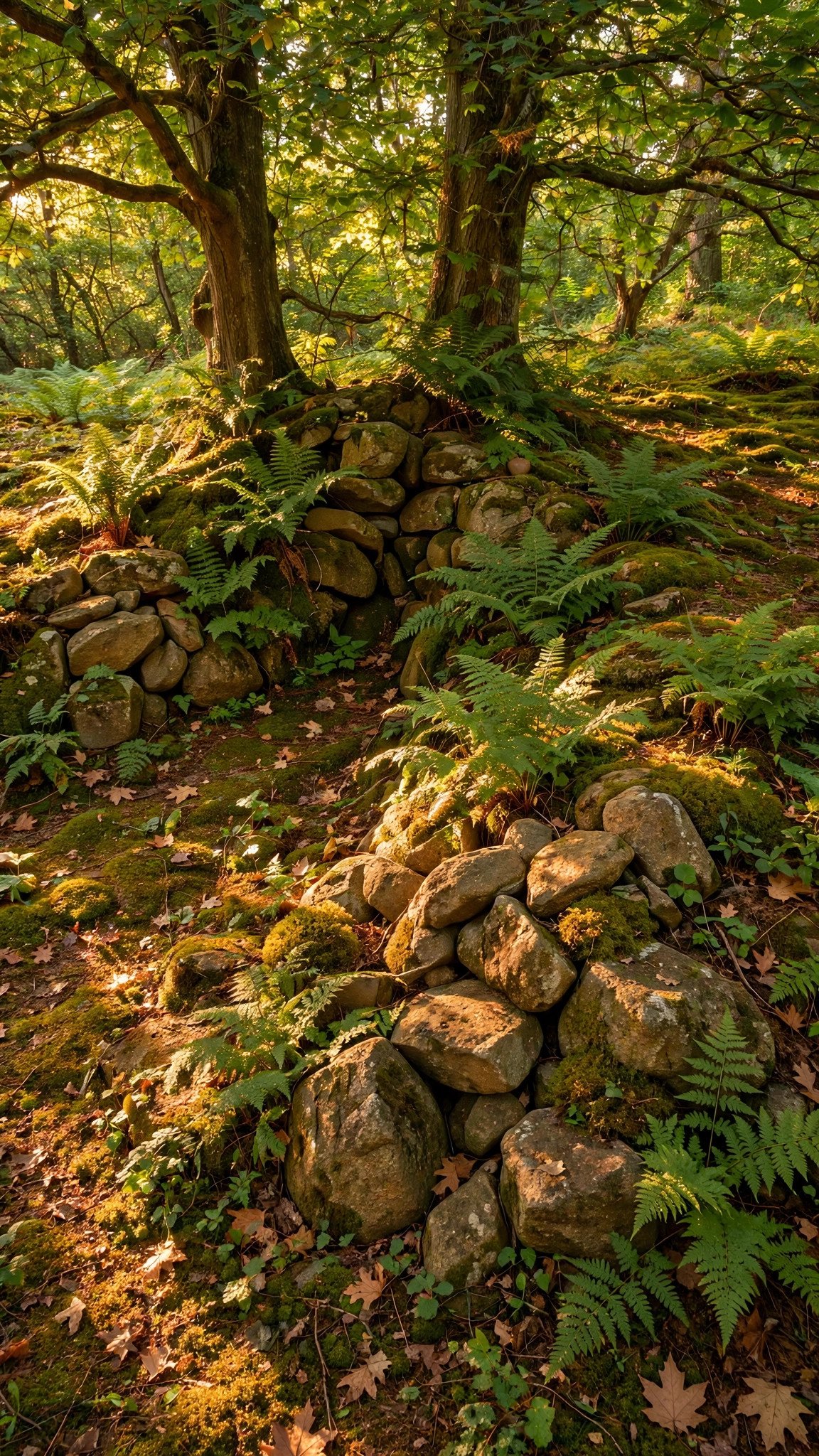
A woodland rockery turns a shady corner into a soft, green retreat. Moss, ferns, and weathered stone create a calm space under trees where flower beds often struggle. This style suits older gardens with mature trees and damp, shaded soil. It feels quiet and established from the very first year.
Place weathered stones in irregular groups and plant ferns between them. Keep the soil moist and reduce foot traffic so moss can spread naturally. Use aged-looking stone rather than bright polished rock — the dull, soft surface suits the woodland mood. A woodland rockery needs little care once the ferns settle in, just an annual tidy and a check for fallen leaves. A flat stone used as a stepping stone keeps feet dry, and the damp shade helps the moss spread a little further every year.
5. Mediterranean Rock Garden
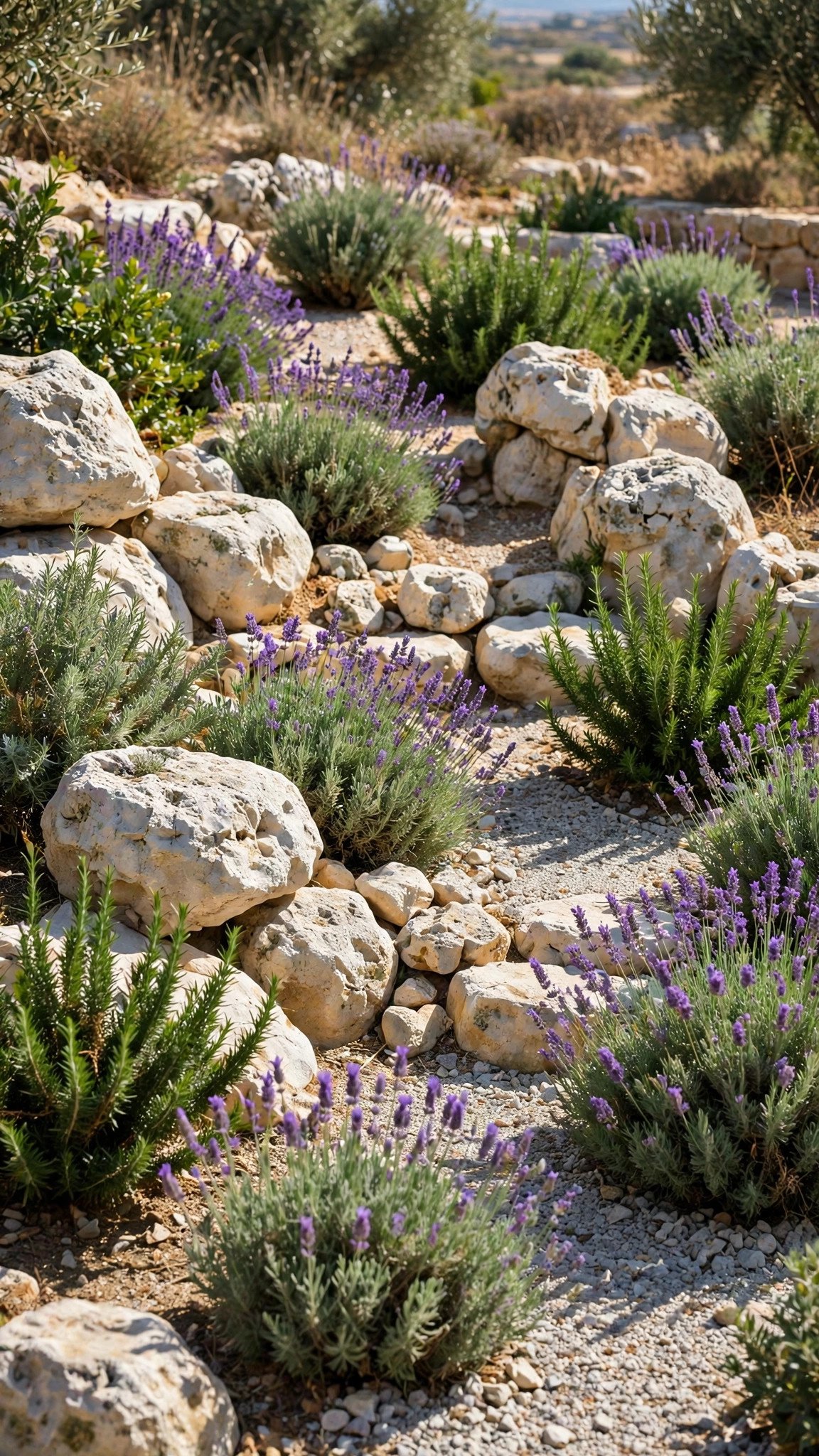
A Mediterranean rock garden brings the warmth of coastal hillsides into your yard. Limestone, lavender, and rosemary love sun and dry soil, and they stay attractive through hot weather. The scent of the herbs alone makes this one of the most pleasant rockeries to walk past on a summer evening.
Build stone groupings with open pockets for planting, then add Mediterranean herbs and groundcovers. Cover bare soil with gravel mulch to keep weeds down and hold in warmth. Keep the plant list short — a few key varieties look cleaner and more elegant than a crowded mix. This style suits sunny, free-draining spots and needs almost no watering once established. A terracotta pot or two beside the stones adds warm colour, and the herbs attract bees that keep the whole garden buzzing through summer.
6. Tiered Hillside Rockery
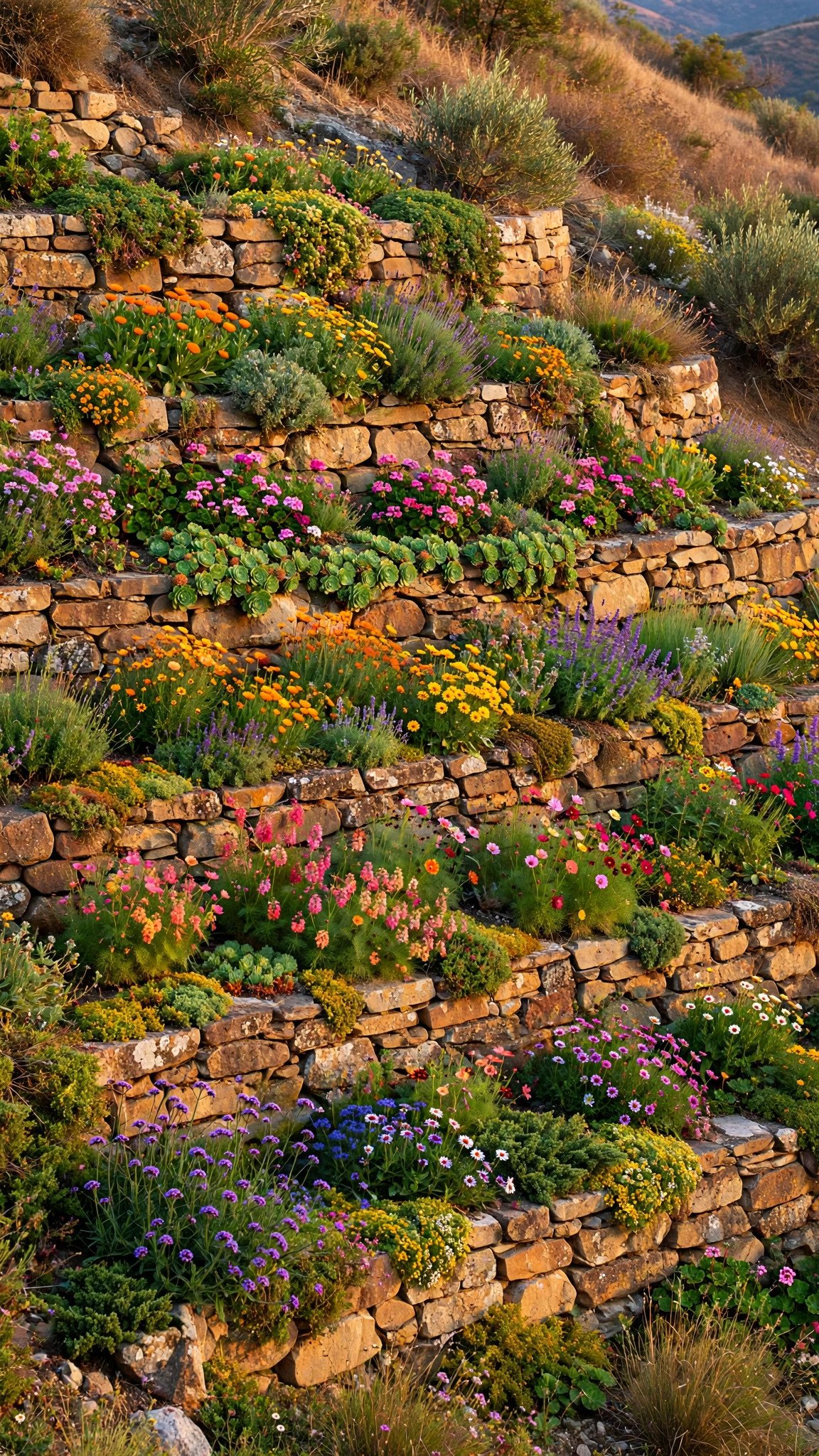
A steep slope is hard to mow and harder to plant, but a tiered rockery turns it into the best part of the garden. Stone layers hold the soil in place, stop erosion, and create flat planting pockets at each level. It is one of the most practical rockery ideas for uneven ground.
Build stable terraces with large retaining stones, starting at the bottom and working up. Fill each level with good soil and choose plants by sun and moisture — taller varieties at the back of each tier, low growers near the edges. Add garden edging where the tiers meet paths or lawn. A tiered rockery takes more work to build, but it gives you usable garden space where there was none before. A narrow stone step between the tiers makes the slope easy to climb, and the plants at each level soften the hard edges of the stone.
7. Japanese-Inspired Stone Garden
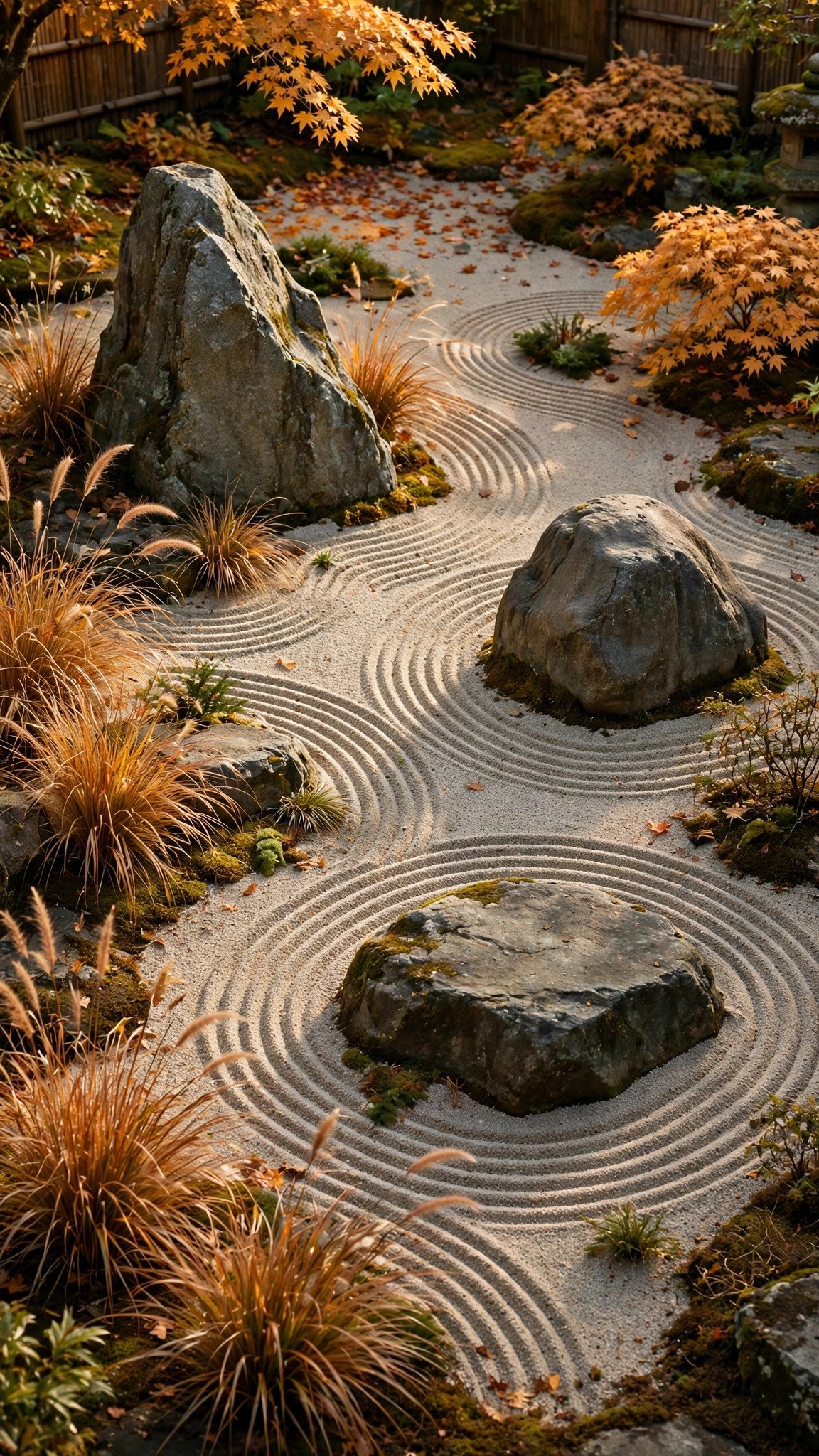
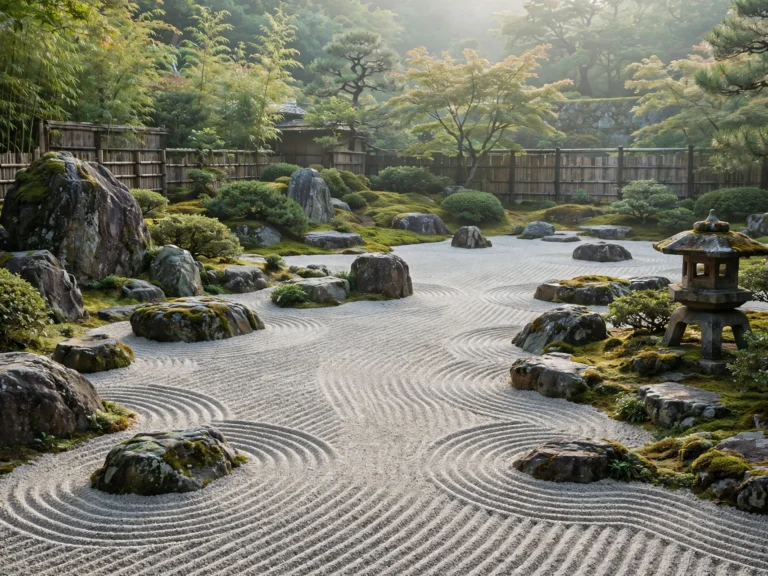
A Japanese stone garden is about calm, not colour. A few well-placed rocks, fine gravel, and a small number of plants create a peaceful space that suits modern homes. The space matters as much as the stones — it gives the eye room to rest and makes the feature feel larger than it is.
Position large feature stones as focal points and spread fine gravel evenly across the area. Add one or two ornamental grasses for soft movement, and rake the gravel into gentle patterns. Keep planting minimal and leave open space on purpose. Overcrowding weakens the calm effect, so resist the urge to fill every gap. This style needs very little care — a quick rake and a weed check now and then. A single stone lantern or a small bamboo screen adds a quiet focal point, and the raked gravel stays neat with just a few minutes each week.
8. Waterfall Rockery Feature
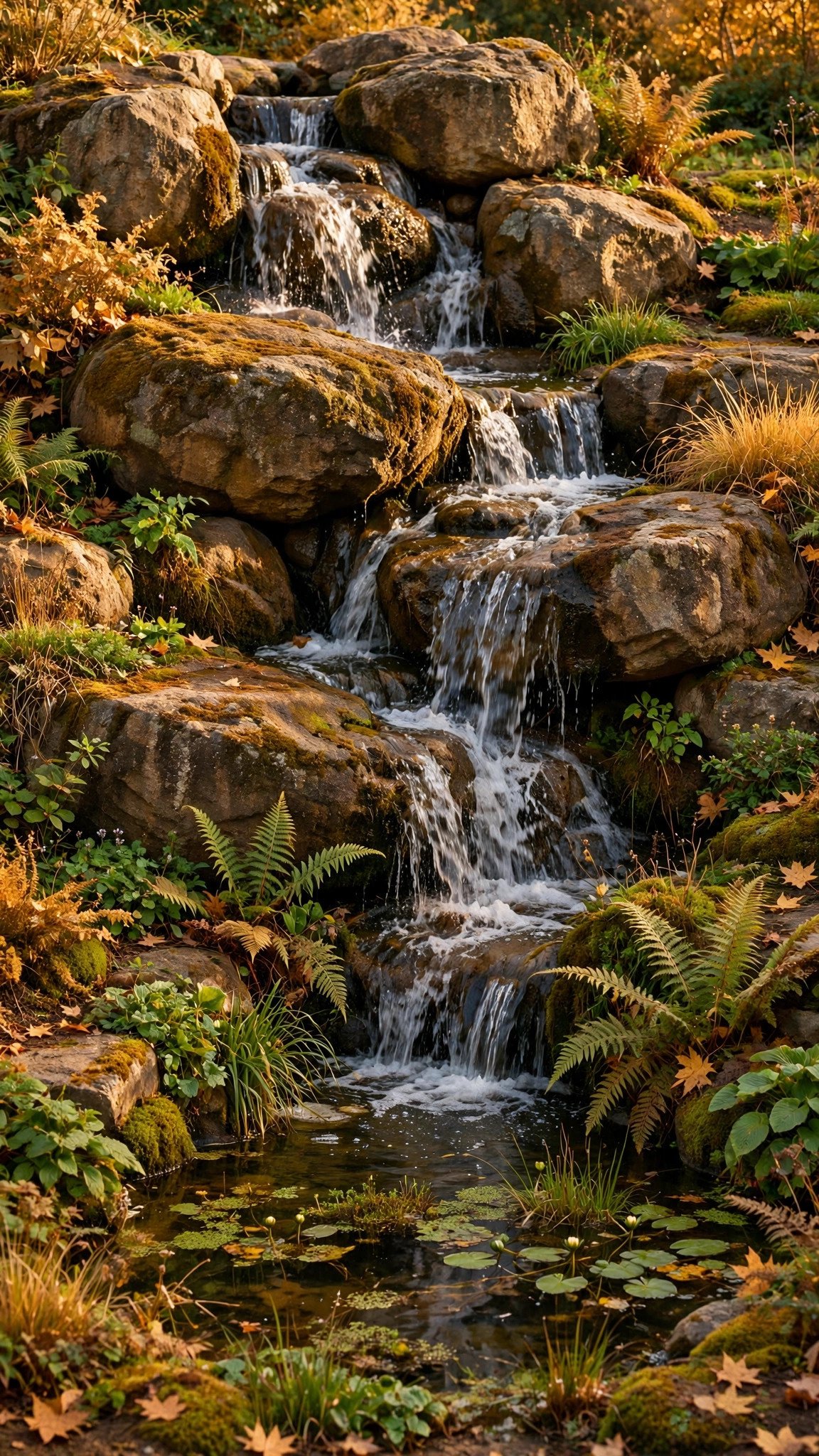
Water changes everything in a garden. A small waterfall over rocks adds sound, movement, and life, and it draws birds and wildlife. You do not need a big pond — even a short cascade into a small basin makes the whole garden feel different. The rocks hide the pump and liner, so the water looks like it comes from the stone itself.
Install the water system first, then arrange boulders around it to hide the equipment. Add aquatic plants and gravel at the edges to soften the structure. Vary the stone sizes so the waterfall looks formed by nature, not built by hand. Check the pump and water level weekly in summer, and clear fallen leaves before they block the flow. A flat rock at the water’s edge makes a perfect seat, and the sound of falling water hides street noise on busy evenings.
9. Coastal-Themed Rockery
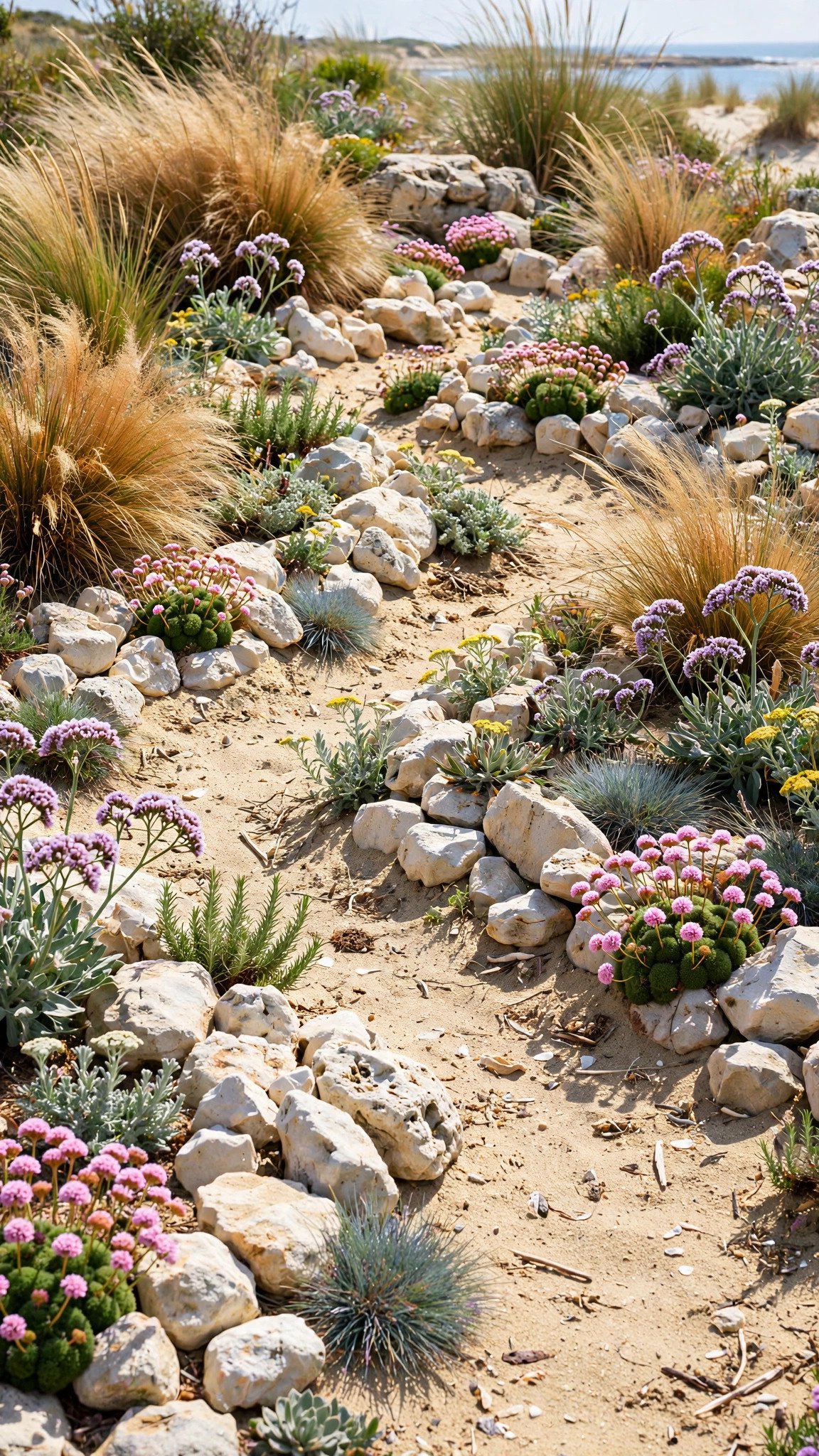
A coastal rockery copies the relaxed feel of a seaside garden. Pale stones, ornamental grasses, and wind-tolerant plants suit exposed spots where softer plants struggle. The pale colours brighten a dull corner, and the grasses move gently in the wind all year round.
Arrange pale rocks in loose groups and plant ornamental grasses around them. Use sandy, free-draining soil where coastal species need it, and repeat a few plant varieties to create a natural drift effect. This style suits windy, sunny gardens and needs very little water once the plants settle in. It also pairs well with a pale gravel path or a light-coloured fence. A pale gravel path through the rockery ties the whole area together, and the grasses catch the light beautifully at sunset.
10. Mini Rockery for Small Spaces
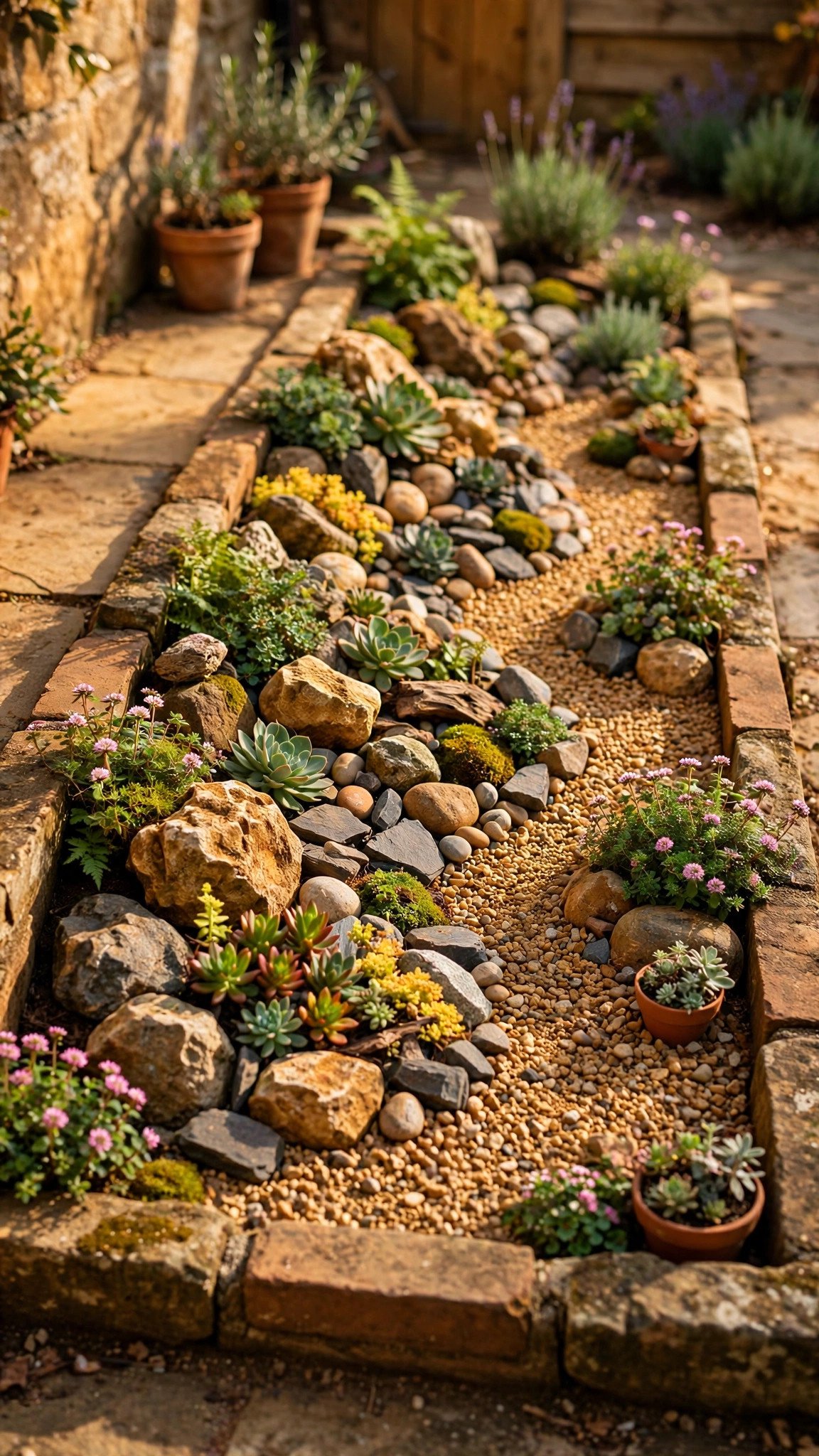
You do not need a big yard for a rockery. A mini rockery fits a courtyard, a balcony, or a narrow border, and it still gives you texture and seasonal interest. The trick is to use fewer elements and choose them well, rather than squeezing in too much. One good stone and three good plants beat a crowded box every time.
Create a scaled-down arrangement with a few carefully chosen stones in a container or a small bordered bed. Plant compact varieties and use gravel to tie the display together. A mini rockery is easy to move and easy to change, so it suits renters and anyone who likes to refresh their garden often. Water lightly and check drainage, since small containers dry out fast in the sun. A small solar light beside the stones lets you enjoy the rockery after dark, and the container can move with you if you change homes.
11. Wildflower Rockery Meadow
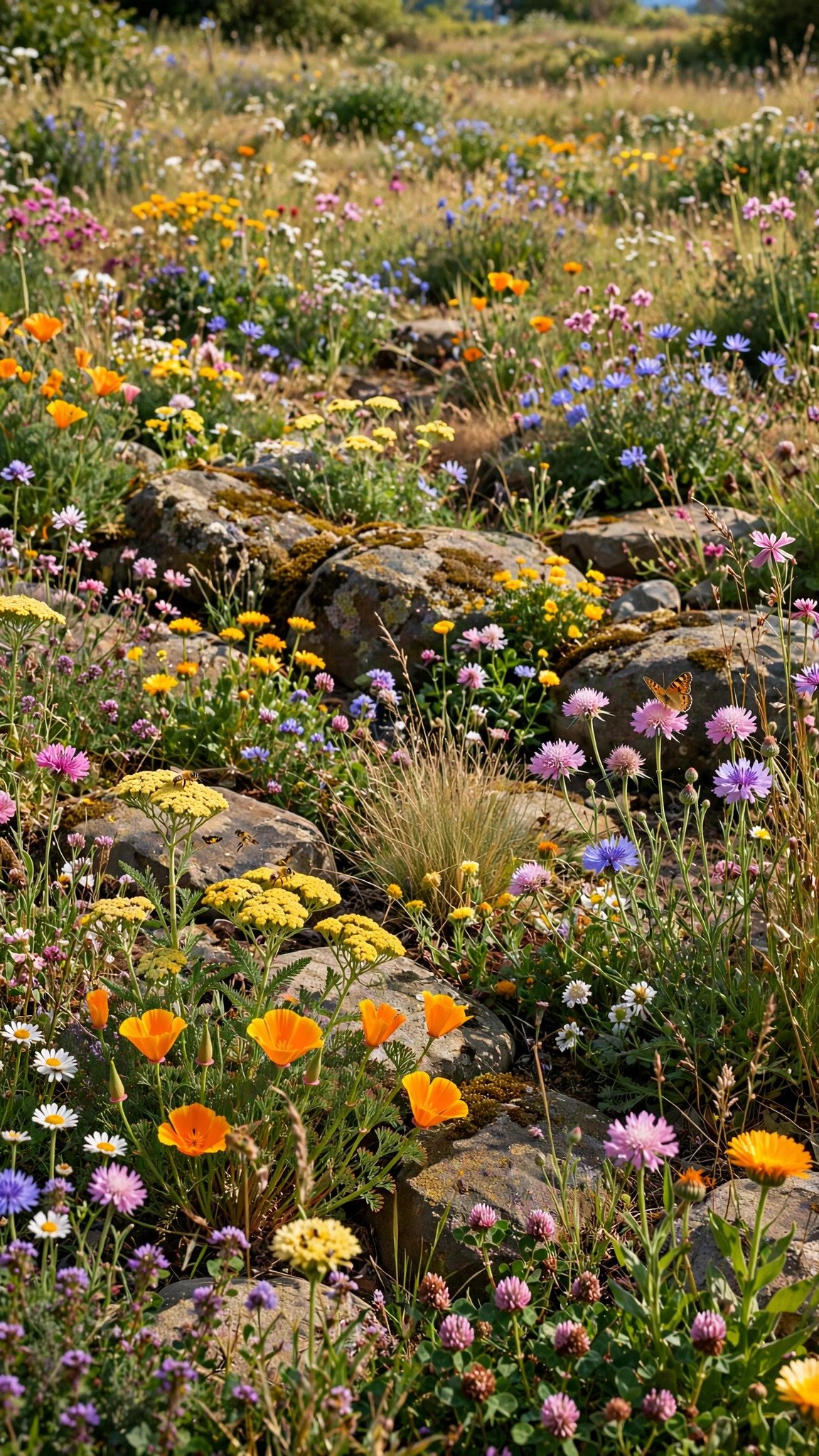
Rocks and wildflowers make a relaxed, natural garden that helps pollinators too. The rough stone and soft blooms balance each other, and the meadow changes through the season as different flowers open. This is the easiest rockery to build and one of the most rewarding to watch grow.
Position natural stones through the planting area and sow wildflower seeds between them. Water regularly until the plants establish, then let them self-seed year after year. Choose native wildflowers when you can — they grow better, need less care, and support local bees and butterflies. Leave the seed heads standing through winter for birds, and cut back in early spring. A simple wooden sign naming a few of the flowers helps visitors spot them, and the bees will return to the same spot year after year.
12. Modern Geometric Rockery
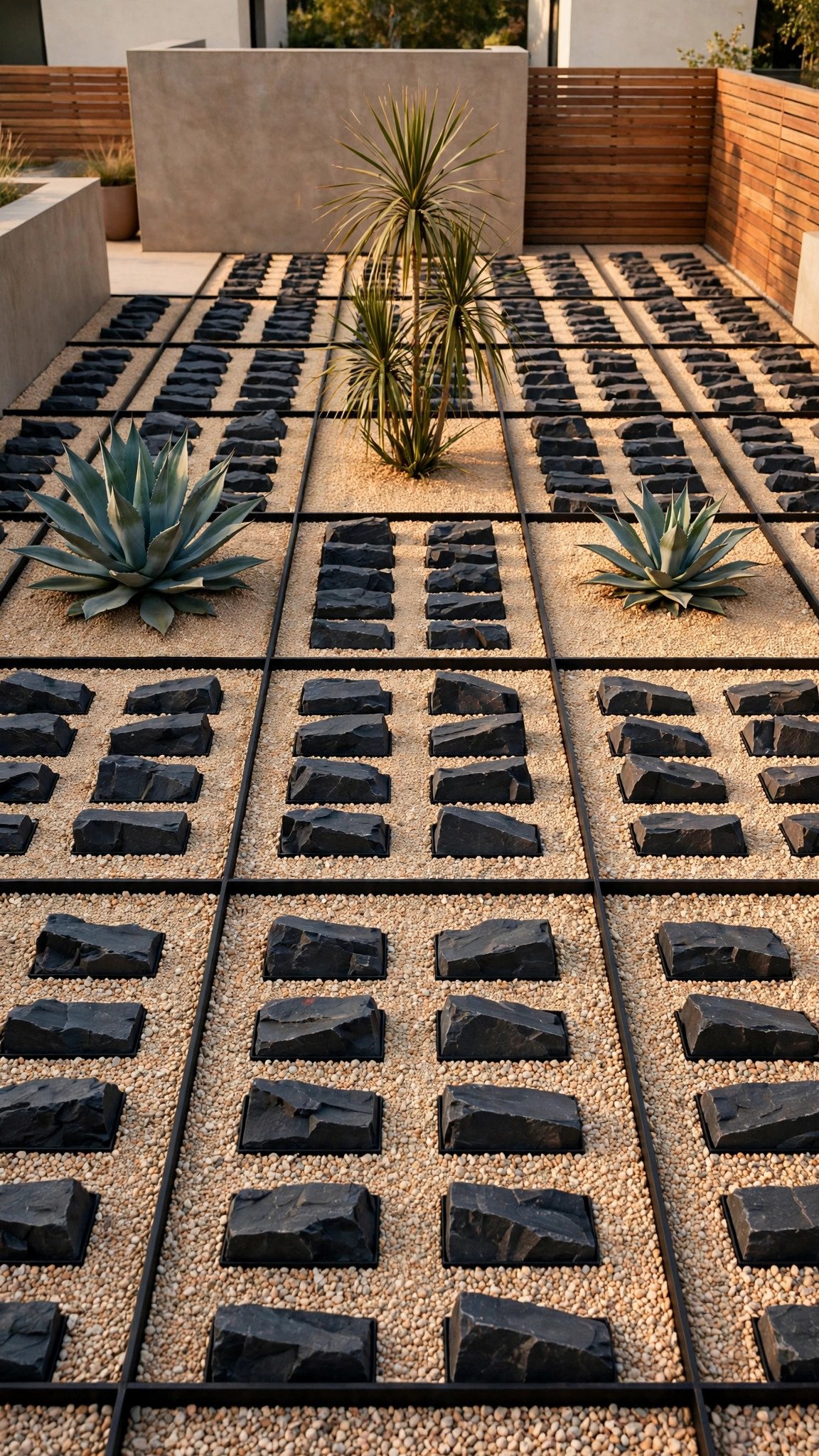
A modern rockery uses clean lines and structured shapes instead of natural chaos. Angular stones, steel edging, and a restrained colour palette create a feature that suits contemporary homes. The focus is on form and texture, not dense planting, so it stays neat with very little work.
Create defined shapes with steel edging and place stones with even spacing. Add one or two architectural plants as focal points and fill the rest with decorative gravel. Keep the colour palette simple — two or three tones at most — so the design stays sophisticated. This style suits front yards and modern homes, and it looks sharp next to rendered walls and large windows. A single sculptural plant in a tall pot adds height without breaking the clean lines, and the steel edging keeps the gravel exactly where it belongs.
13. Night-Lit Rockery Garden
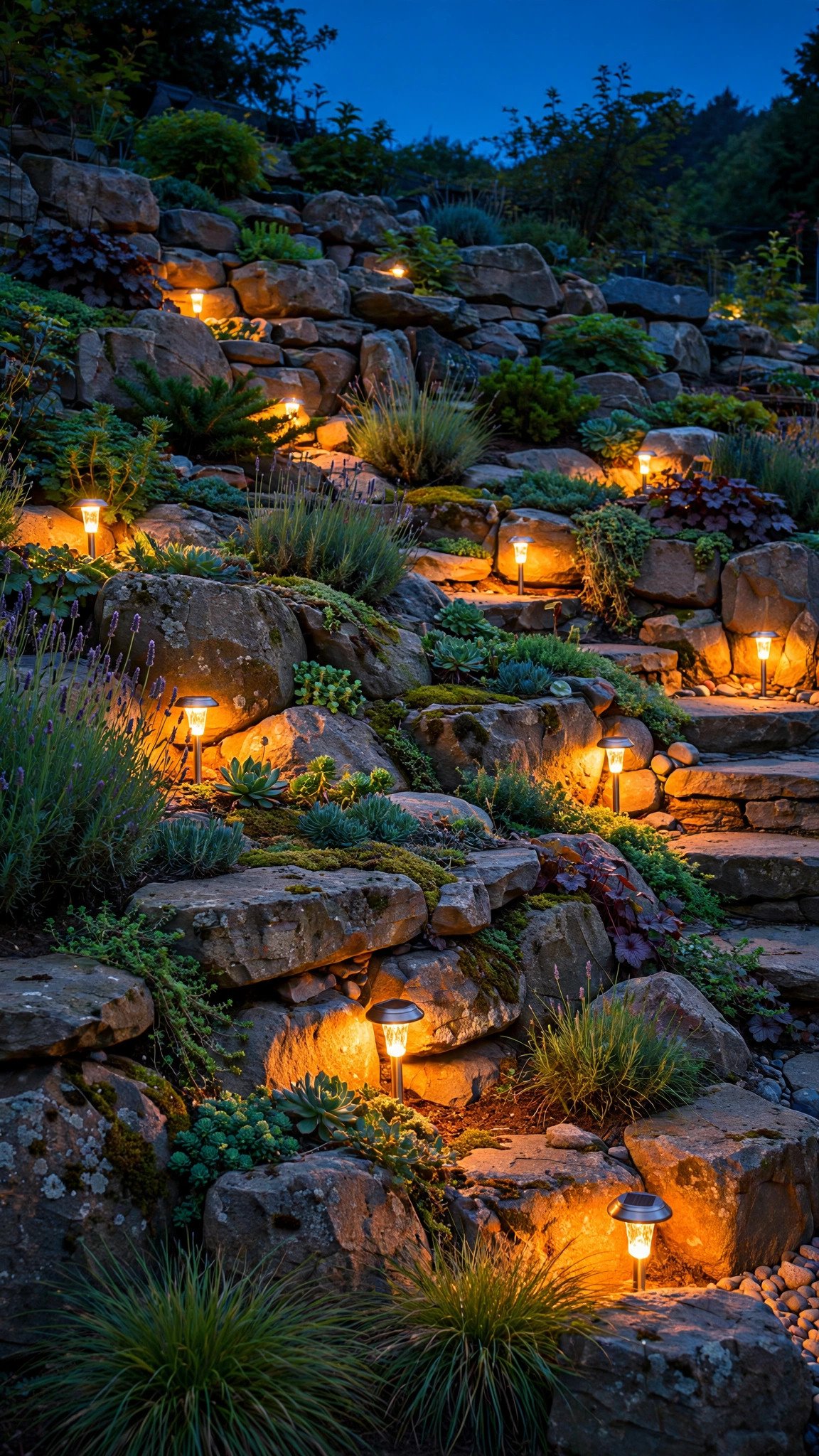
A rockery does not have to disappear at sunset. A few well-placed lights can turn stone textures and key plants into a glowing evening feature. Warm light on rough stone looks beautiful, and it makes the garden usable long after dark. Solar lights keep the running cost at zero.
Position lights to highlight texture rather than flooding the whole area with brightness. Focus on one or two feature rocks and a specimen plant, and let the rest fall into soft shadow. Use warm light temperatures for a gentle, welcoming feel, and put the lights on a timer so they switch on at dusk. A night-lit rockery is a simple upgrade that makes the whole garden feel bigger and more alive. A bench placed to face the lit stones turns the rockery into an evening destination, and the timer means you never have to remember to switch the lights on.
Which Rockery Garden Idea Is Right for Your Yard?
The best rockery for you depends on your yard, your sun, and your budget. A slope needs tiers or alpine stones. A flat yard suits a riverbed or a Japanese garden. A small space needs a mini rockery, not a waterfall. Use this guide to narrow it down.
If you are still unsure, start small. A mini rockery or a dry riverbed lets you learn how stone and plants work together before you commit to a bigger build. You can always extend it later, one stone at a time.
- Sloped yard: Tiered Hillside Rockery or Alpine-Inspired Mountain Rockery — stones hold the soil and use the slope.
- Flat yard: Dry Riverbed Rockery or Japanese-Inspired Stone Garden — both work without a slope and look natural.
- Small yard or courtyard: Mini Rockery for Small Spaces or Succulent Rockery Display — compact, bold, and easy to care for.
- Shady yard: Woodland Rockery Corner — ferns and moss love shade where other plants fail.
- Sunny, dry yard: Mediterranean Rock Garden or Succulent Rockery Display — both thrive in heat with little water.
- Modern home: Modern Geometric Rockery or Night-Lit Rockery Garden — clean lines, warm light, and a contemporary feel.
- Wildlife-friendly garden: Wildflower Rockery Meadow or Waterfall Rockery Feature — flowers for pollinators, water for birds.
FAQs
What plants work best in a rockery garden?
Alpine plants, succulents, ornamental grasses, creeping thyme, sedum, lavender, and drought-tolerant perennials work best. They all thrive in free-draining soil and need little water once established. Choose plants that suit your sun and climate, and plant them in small groups for a natural look.
How deep should rocks be buried?
Bury about one-third of each rock below ground level. This keeps the stone stable, stops it wobbling, and makes it look like it has always been there. Rocks sitting on top of the soil look artificial and can shift after heavy rain or frost.
Do rockery gardens require a lot of maintenance?
No, most rockeries are low-maintenance once established. The main jobs are weeding, occasional pruning, and checking that drainage still works. Gravel mulch keeps weeds down, and hardy plants need little watering, so a quick tidy every few weeks is usually enough.
Can I build a rockery in a flat garden?
Yes. Slopes suit rockeries naturally, but flat gardens work well too with a little planning. Build raised mounds, use layered stone arrangements, or create elevated planting pockets. A dry riverbed or a Japanese stone garden is a good choice for flat ground.
What is the biggest mistake people make with rockeries?
The biggest mistake is placing rocks on top of the soil without burying them. The rocks look fake, wobble when touched, and shift over time. Always bury about one-third of each rock, and use stones from one family so the feature looks like a natural outcrop.
How much does a rockery garden cost?
It varies with size and materials. A small rockery built from local stone and a few hardy plants can cost very little. A large tiered rockery or a waterfall feature with a pump costs more. Using local stone and simple plants keeps the price down without losing the look.
What is the best rock for a rockery?
It depends on your style and climate. Sandstone and limestone suit Mediterranean and cottage gardens. Granite and slate suit modern and alpine styles. Local stone is usually the best choice — it looks natural in your area, costs less to move, and weathers well.
Conclusion
A rockery garden is a simple way to give your yard texture, structure, and year-round interest. It does not need rich soil or constant care. A few good stones, the right plants, and a little patience are enough to build a feature that looks better every year. Even a small rockery changes how a garden feels, and it only gets better as the plants grow in around the stone.
Start with the idea that fits your yard and your sun. Place the stones well, bury them properly, and let the plants settle in. Then step back and enjoy a garden that works with nature instead of fighting it. That is the heart of a rockery — honest stone, hardy plants, and a quiet corner that feels like it was always there.