
13 Modern Eclectic Living Room Ideas for a Colourful, Collected Home
A modern eclectic living room works best when different styles feel connected on purpose, not just collected by chance. The goal is not to match every piece, but to create balance through colour, scale, texture, shape, and repetition. These ideas combine modern structure with vintage finds, artistic details, natural materials, and personal accents.
The rooms below feel collected, comfortable, and genuinely lived-in — and each idea is easy to start with what you already own.
1. Build Around a Sculptural Sofa With Vintage Accents

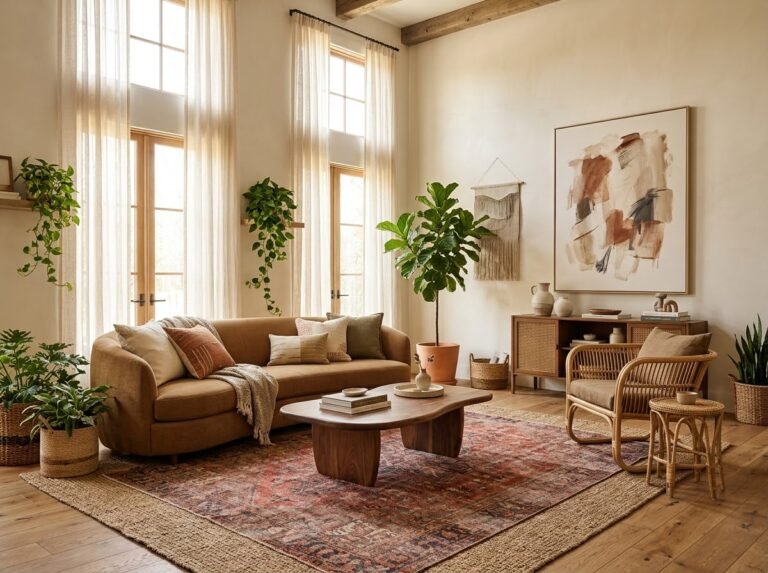
Build the room around a clean-lined modern sofa, then add character through vintage furniture and collected accessories. A curved cream or taupe sofa works well with an aged wooden cabinet, an antique side table, or a retro floor lamp. The contrast keeps the room modern without making it feel overly matched.
Keep vintage pieces to a few strong accents rather than filling every corner with them. Place the sofa as the main anchor, then put one or two vintage pieces nearby. Repeat one material, such as wood or brass, elsewhere in the room to connect the styles.
2. Pair Moody Walls With Contemporary Furniture

Create an atmospheric eclectic room by pairing deep wall colours with simple modern furniture. Charcoal, olive, muted navy, or warm brown can give a rich backdrop for lighter seating and natural wood. This works well in rooms that feel too plain with white walls. Avoid using several dark colours at once — one dominant wall tone gives the furniture and artwork enough contrast.
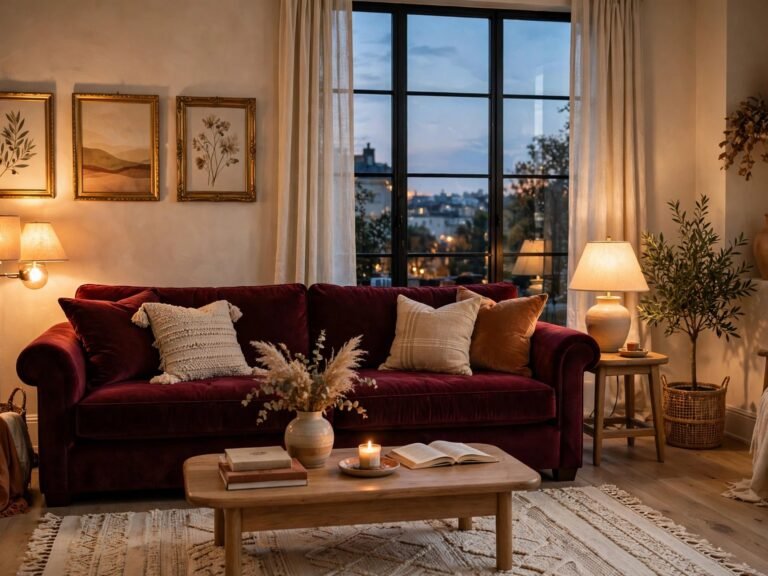
Paint the main walls in one rich shade, then add lighter furniture and warm wood accents. Layer several small light sources instead of one ceiling fixture. In the evening, warm lamps make the deep walls glow. Test paint samples at different times of day, because dark colours change a lot under natural and artificial light.
3. Turn Your Living Room Into a Contemporary Art Gallery
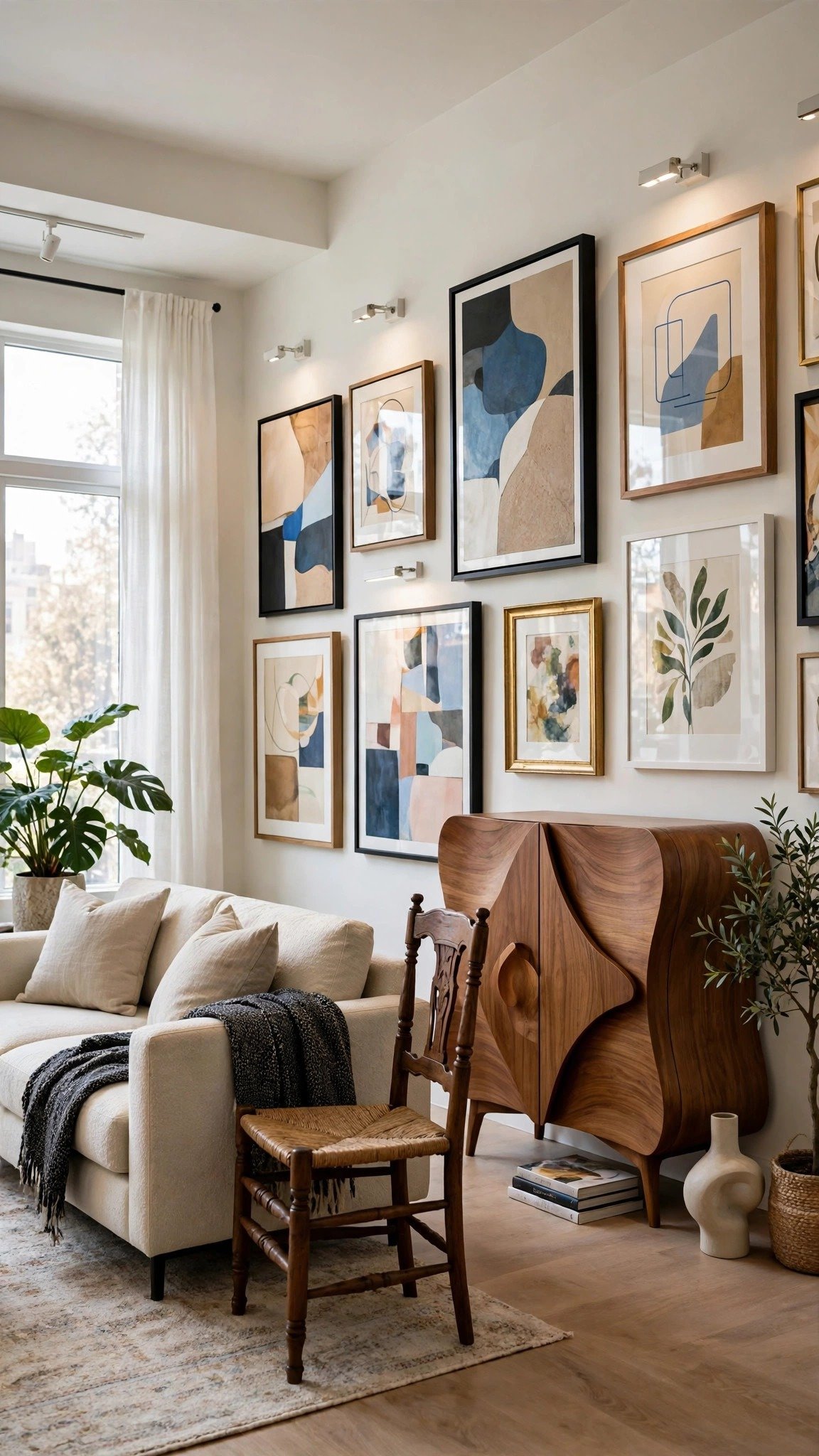
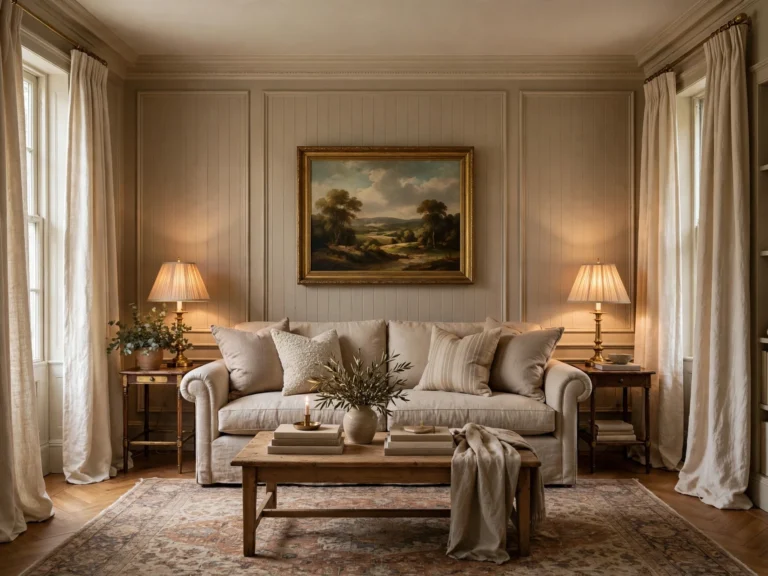
Give your living room a gallery-like feel by combining modern artwork with furniture from different periods. Instead of choosing matching art sets, look for pieces with different subjects, colours, and frame styles. A large abstract print can sit alongside a vintage landscape painting or a smaller framed photograph, creating a display that feels collected rather than overly coordinated.
Start by placing your largest artwork first, then arrange the smaller pieces around it. For a balanced gallery wall, leave roughly 2–3 inches between frames and keep the overall arrangement connected to the furniture below. If you are hanging artwork above a sofa, aim to make the display about two-thirds of the sofa’s width. Repeat one or two colours from the artwork in cushions, rugs, or accessories to make the entire arrangement feel intentional.
4. Start With Warm Neutrals, Then Add One Unexpected Colour
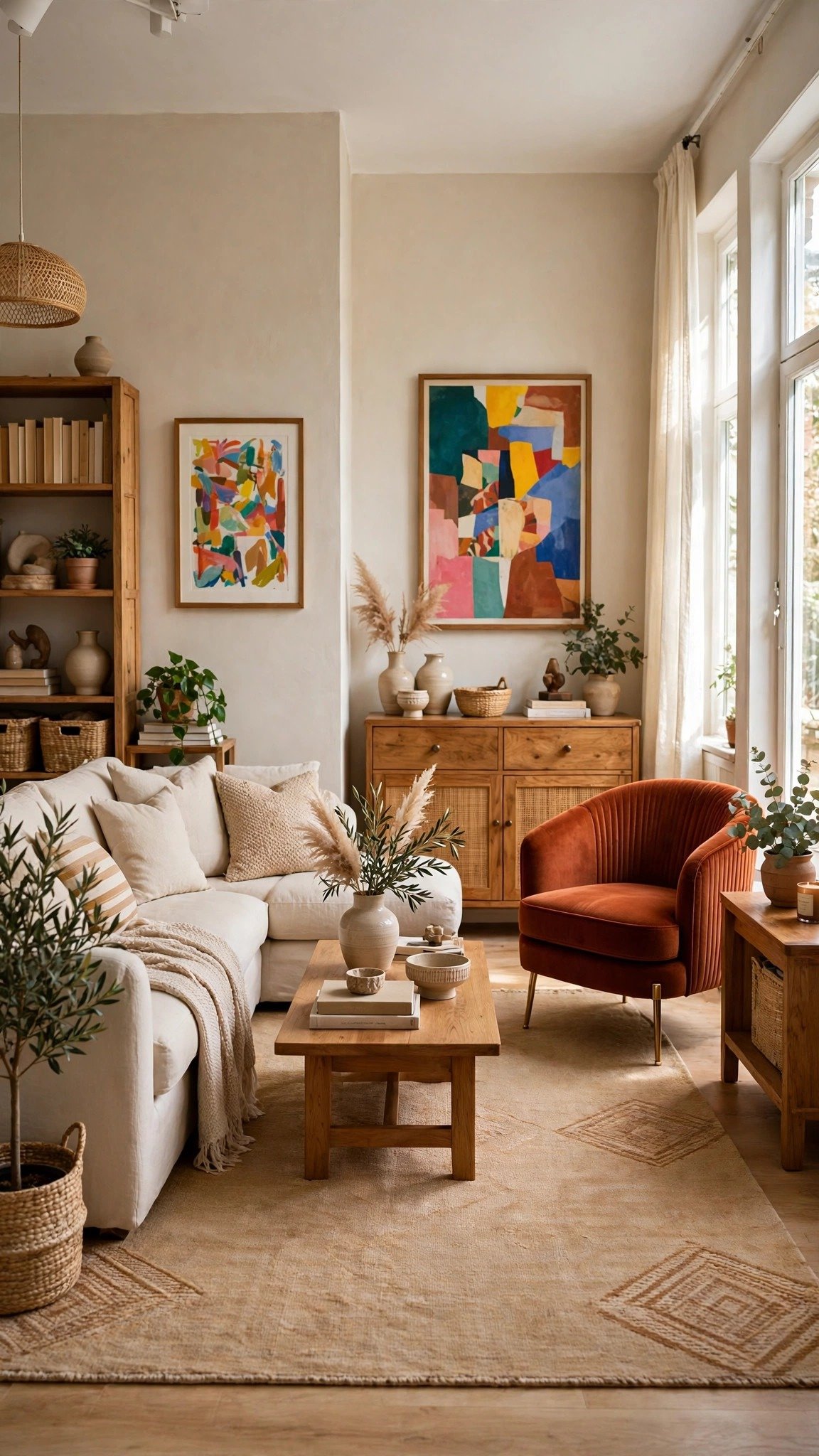
Start with a calm base of beige, ivory, camel, and warm wood, then add one unexpected accent colour. Rust, cobalt, emerald, plum, or mustard can instantly give an eclectic room more personality without overwhelming it. The mistake is spreading the accent colour equally everywhere. Instead, use it through a chair, artwork, cushion, or decorative object, so the eye notices it naturally.
First, build the room with three or four neutral tones, then pick one stronger colour for smaller decorative pieces. Repeat the accent colour at least three times in different areas, so it feels deliberate instead of accidental.
5. Mix Curved Furniture With Angular Architecture

Create visual interest by mixing rounded furniture with sharper architectural lines. A curved sofa or oval coffee table can soften rectangular windows, shelving, or a boxy fireplace. This mix is useful in modern rooms that feel too rigid. Rather than adding curves everywhere, choose one or two clear rounded pieces and let the existing architecture provide contrast.
Find the room’s strongest straight lines and place curved furniture directly opposite them. Keep similar proportions so neither shape dominates. An oval or round coffee table is often the easiest way to add softer shapes without replacing major furniture.
6. Create an Eclectic Earthy Living Room

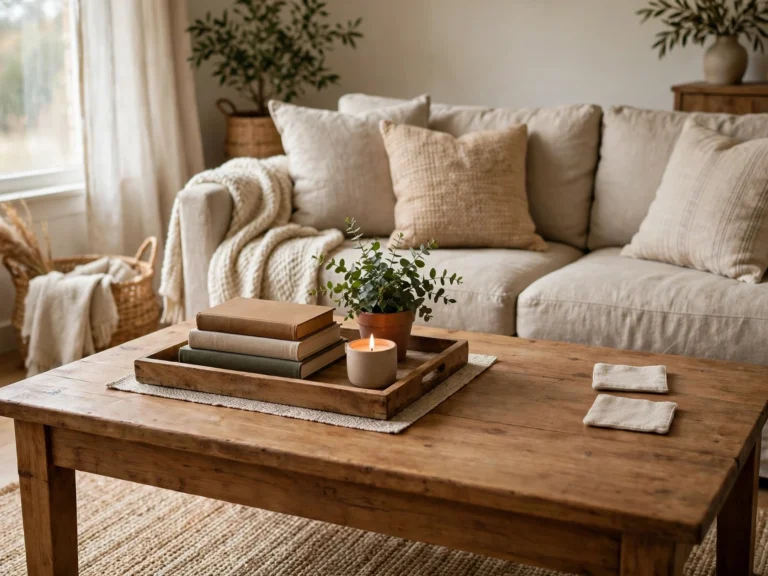
Combine modern shapes with earthy materials for an eclectic room that feels relaxed rather than overly styled. Think linen upholstery, raw or reclaimed wood, woven baskets, stone accessories, and handmade ceramics beside modern furniture. The best results come from mixing textures instead of adding too many decorative objects.
Start with neutral furniture, then layer wood, woven materials, ceramics, and soft textiles at different heights around the room. Keep the palette calm when using many textures — too many colours can fight with the natural material variation. This style suits everyday family spaces, because natural materials hide small wear better than polished surfaces.
7. Pair a Modern Sofa With a Traditional Statement Chair
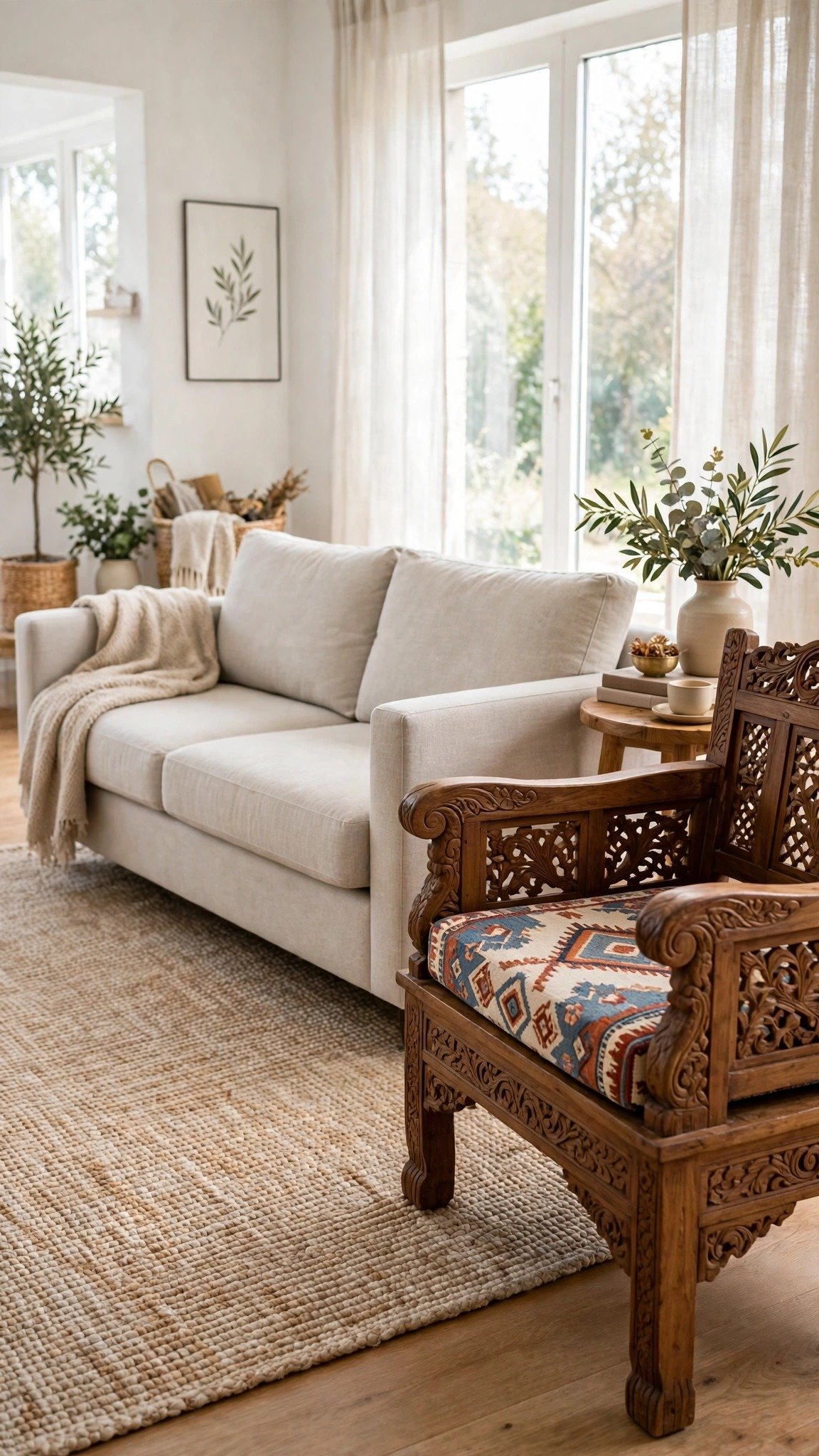
Give a modern living room more personality by pairing a simple modern sofa with one distinctive traditional chair. A carved wooden armchair, a classic patterned seat, or a vintage club chair can become the room’s unexpected focal point. The key is scale — the statement chair should feel strong enough to hold its own beside the sofa.
Place the statement chair opposite or across from the sofa, then repeat one of its colours elsewhere through artwork or textiles. Use a cushion or throw that connects its colour to another piece in the room. Do not try to make the chair look like the sofa — the contrast is what gives the room its eclectic character.
8. Layer Rugs for a Collected Look

Layering rugs can make a modern living room feel more collected and rich without replacing the main furniture. Start with a larger neutral jute or flatweave rug, then place a smaller patterned vintage-style rug over it. The mix works best when the patterns differ in size but share one or two colours.
Center the larger rug under the main seating group, then place the smaller rug slightly off-center inside the conversation area. Avoid layering rugs that are nearly identical in tone and pattern, as they can look accidental. Use rug layering to define a seating zone in a large open-plan room, not just to add extra pattern.
9. Make Sculptural Lighting the Focal Point
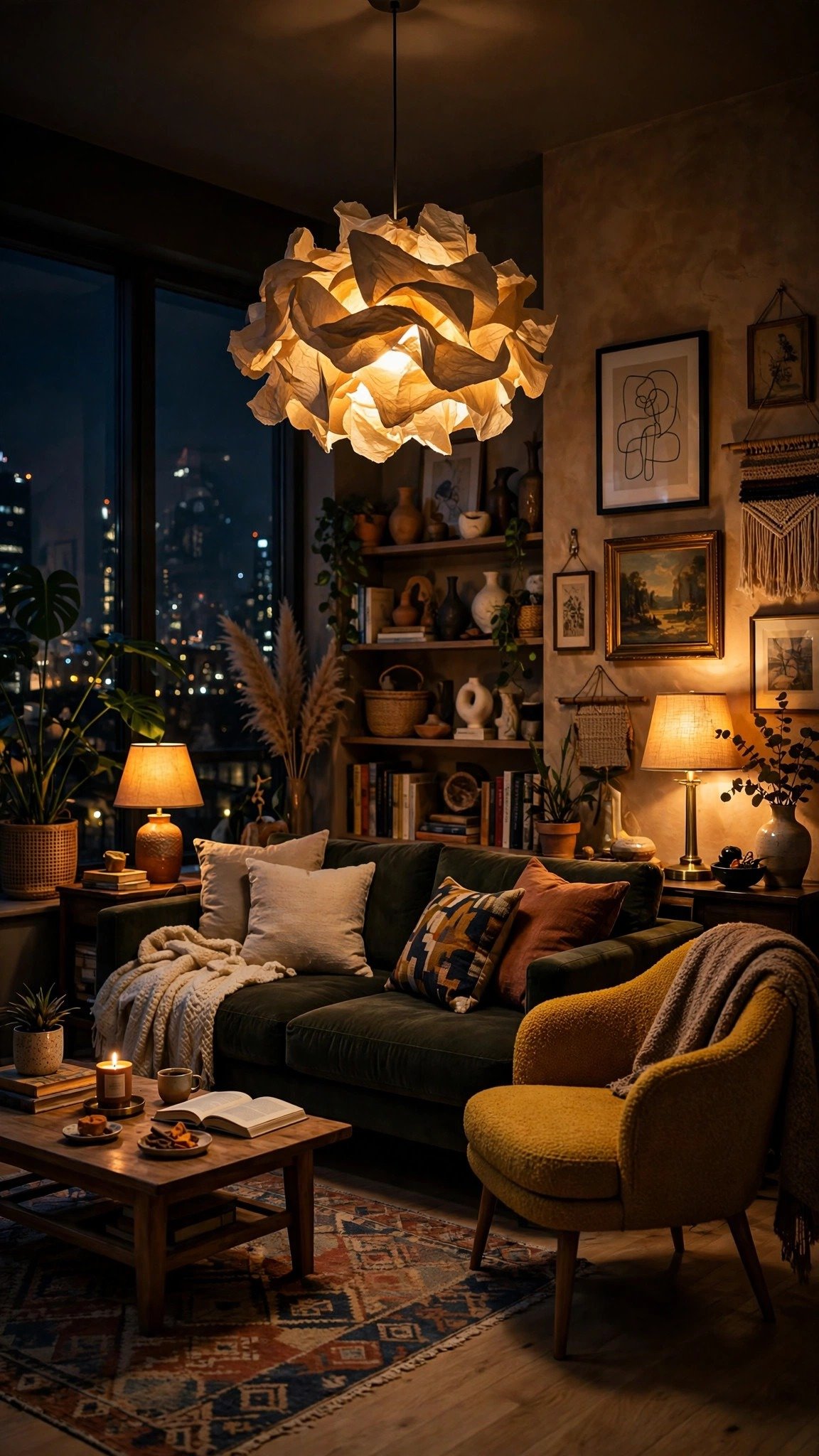
Make lighting part of the room’s artwork by choosing a sculptural pendant, an oversized floor lamp, or an unusual table lamp. This adds an eclectic element without filling the room with accessories. Keep the surrounding furniture fairly calm so the fixture has room to stand out.
Choose one standout fixture and place it where it naturally draws attention, then add lower-level lighting around the seating area. One dramatic light rarely gives enough comfortable light for a whole living room, so combine it with smaller lamps. Choose warm bulbs to make mixed materials such as wood, metal, fabric, and ceramics feel more cohesive at night.
10. Add Black Details to Soft Furnishings

Use black accents to give a light, eclectic living room more definition and contrast. Black window frames, picture frames, a metal coffee table, or a slim floor lamp can stand out beautifully against cream upholstery, warm wood, and soft textiles. These darker details create visual structure without making the room feel heavy.
Spread black accents across different areas instead of keeping them all in one corner. For example, pair a black-framed artwork with a small black side table and a lamp with dark metal detailing. Balance these pieces with warm wood, textured cushions, or a patterned rug so the contrast feels inviting rather than harsh. Even a few carefully placed details can make a neutral room feel more finished.
11. Fill Bookshelves With Personality

Use open shelving to create an eclectic display that feels genuinely personal instead of showroom-perfect. Mix books with framed photographs, ceramics, small sculptures, plants, and objects collected over time. Leave some space between groups so the shelves stay readable. A common mistake is filling every compartment, which makes the display look noisy and makes single pieces lose their importance.
Arrange books in both vertical and horizontal stacks, then place decorative pieces beside them at different heights. Step back often while styling the shelves. What looks balanced up close can appear crowded from across the room.
12. Style a Statement Fireplace With Eclectic Layers
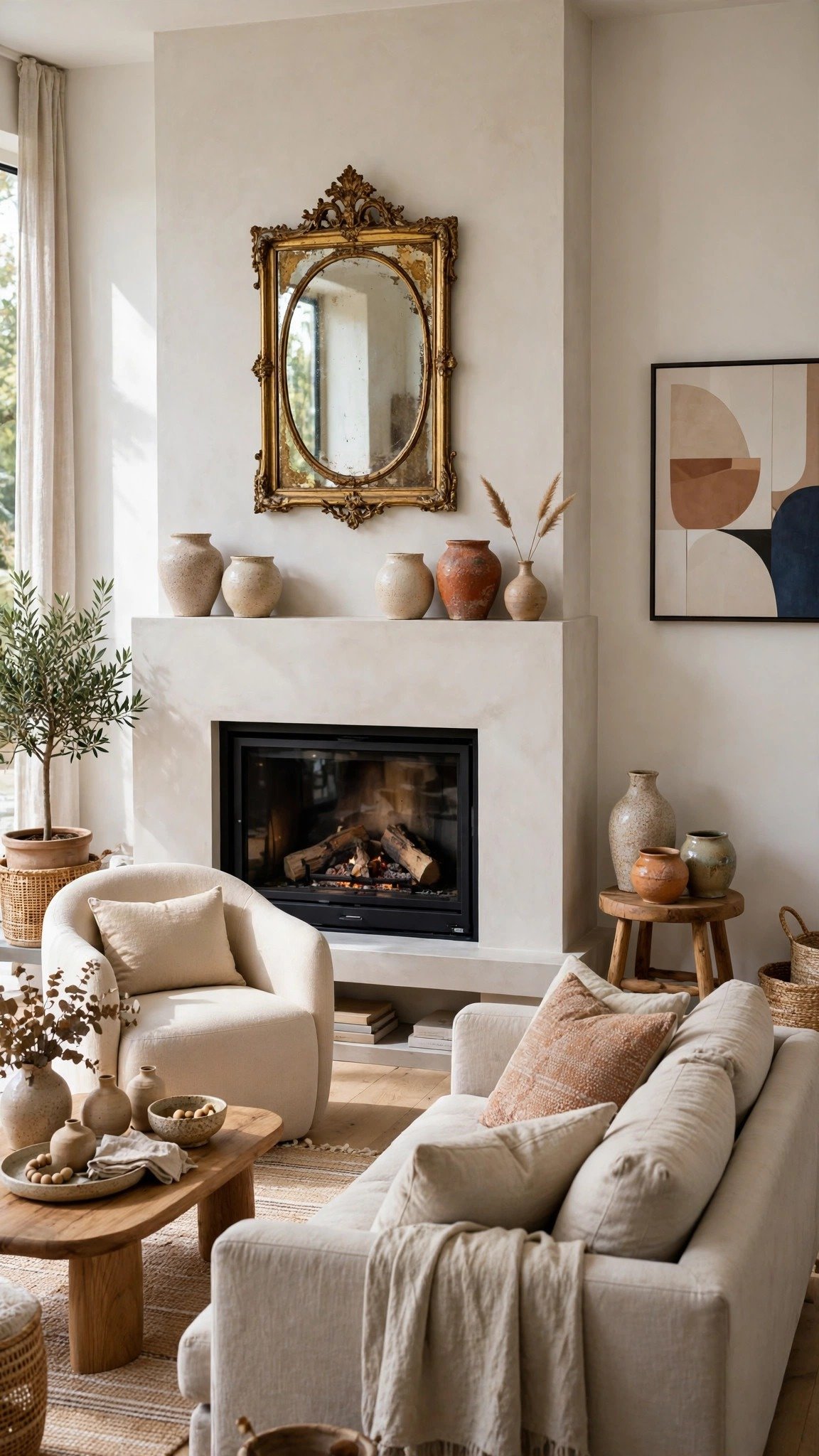
If your living room has a fireplace, use it as a natural focal point and build an eclectic display around it. Pair a simple modern fireplace with an antique mirror, contemporary artwork, handmade ceramic vessels, or a small wooden accent. The contrast between old and new gives the space character while allowing the fireplace to remain the centre of attention.
Choose one main piece for the wall or mantel, then add two or three smaller accessories in different heights and textures. Avoid filling every available space, as too many decorations can make the area feel crowded. If your home does not have a fireplace, create a similar focal point with a console table, a large artwork, or a statement cabinet. Style it with layered objects and warm lighting to achieve the same collected effect.
13. Let Personal Collections Lead With a Modern Foundation
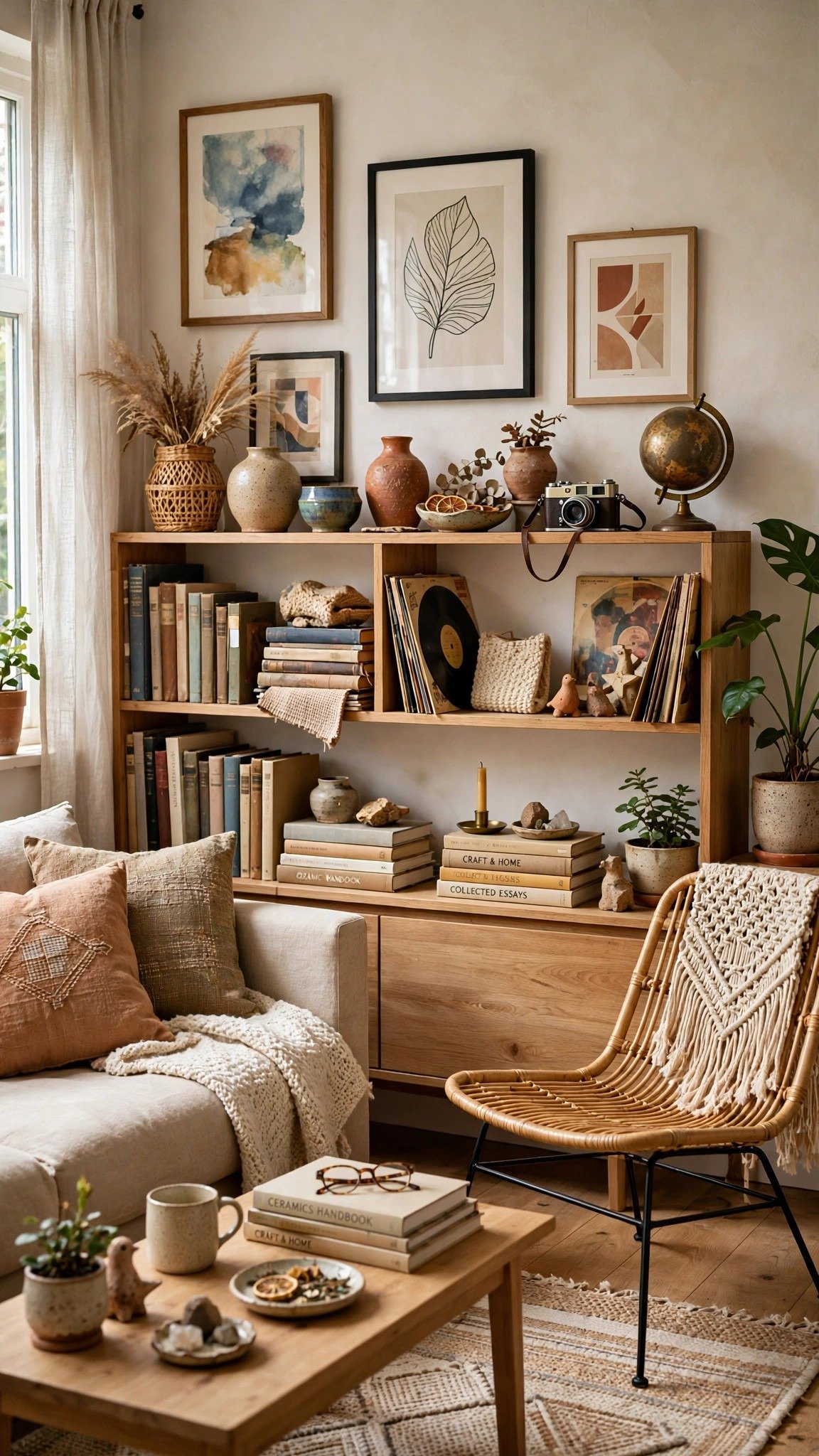
Create the most personal version of an eclectic living room by treating meaningful collections as part of the design. Start with modern, functional furniture and slowly add ceramics, artwork, vintage objects, books, or handmade pieces that truly reflect your interests. This stops the room from looking like it was decorated in one shopping trip.
Keep the major furniture pieces fairly simple, then add personality through objects you already own or genuinely enjoy. Edit your collection often. A few meaningful pieces displayed well will have more impact than every possession being visible. The best eclectic rooms develop over time.
Plan Your Modern Eclectic Living Room in 4 Simple Steps
Step 1: Start with a modern foundation. Choose simple, comfortable furniture in neutral tones. This gives mixed styles a calm base to sit on.
Step 2: Add one or two statement pieces. Pick a vintage chair, a sculptural lamp, or a bold artwork. These pieces give the room its character.
Step 3: Repeat 2-3 colours and materials. Use the same colours and materials across cushions, art, rugs, and accessories. Repetition is what makes mixed styles feel connected.
Step 4: Edit ruthlessly. Remove anything that does not earn its place. Leave space on shelves and walls so the pieces you keep can shine.
Modern Eclectic Mistakes to Avoid
Mixing too many styles at once. Five or six unrelated styles look random. Stick to three or four clear influences with one modern base.
Buying matching furniture sets. Matching sets make an eclectic room feel less personal. Coordinate pieces through scale, colour, or material instead.
Filling every shelf and wall. A crowded room hides its best pieces. Leave breathing room between groups of objects.
Using one harsh ceiling light. A single bright light flattens mixed materials. Use several warm lamps at different heights.
Clashing rug patterns. Two bold rugs with different patterns can fight each other. Pair one bold rug with one quiet, neutral rug.
FAQs
What makes a living room modern eclectic?
A modern eclectic living room combines modern furniture with pieces from different styles, periods, materials, or design traditions. The room feels cohesive when repeated colours, materials, shapes, or proportions connect the different elements into one calm, collected look. The mix should feel personal, not random.
How many decorating styles can I mix in one living room?
There is no fixed number, but three or four clear influences are usually easier to balance than many unrelated styles. Use one dominant modern foundation and add other influences through furniture, artwork, lighting, and accessories. Fewer styles make the room easier to balance.
What colours work well in a modern eclectic living room?
Warm neutrals such as cream, beige, camel, brown, and soft grey give an adaptable foundation. Stronger colours such as rust, olive, navy, emerald, burgundy, or mustard can then be added through smaller pieces like cushions, art, and throws. Repeat each strong colour at least twice.
How do I prevent an eclectic room from looking cluttered?
Give each area some breathing room. Avoid filling every shelf, wall, and tabletop. Repeating a few colours and materials throughout the room also creates unity, even when single pieces come from different styles and periods. Space lets each piece stand out.
Can modern eclectic design work in a small living room?
Yes. In a smaller room, focus on fewer statement pieces and use furniture that does more than one job. A distinctive chair, an unusual lamp, a patterned rug, or a large artwork can add character without needing many accessories. Keep the rest simple.
Should all the furniture match?
No. Matching furniture sets can actually make an eclectic room feel less personal. Instead, coordinate pieces through scale, colour, material, or overall visual weight, while letting their shapes and styles differ. Contrast between pieces is what creates the eclectic charm.
Where can I find vintage pieces for an eclectic living room?
Look at local thrift shops, flea markets, estate sales, and online marketplaces for one-of-a-kind finds. Choose pieces with interesting shapes and solid materials rather than buying something just because it looks old. One strong vintage piece is enough to start.
Conclusion
A modern eclectic living room does not need to look perfectly coordinated to feel beautiful. The most successful rooms combine practical furniture with pieces that have character, history, texture, or personal meaning. Start with a comfortable foundation, choose one or two elements that make a strong statement, and slowly layer in colours, materials, artwork, and objects that feel like you.
Do not worry about making everything match. Give yourself room to try things, move pieces around, and remove anything that feels unnecessary. The best eclectic rooms grow naturally over time, so choose what you genuinely love and let your living room tell its own story.