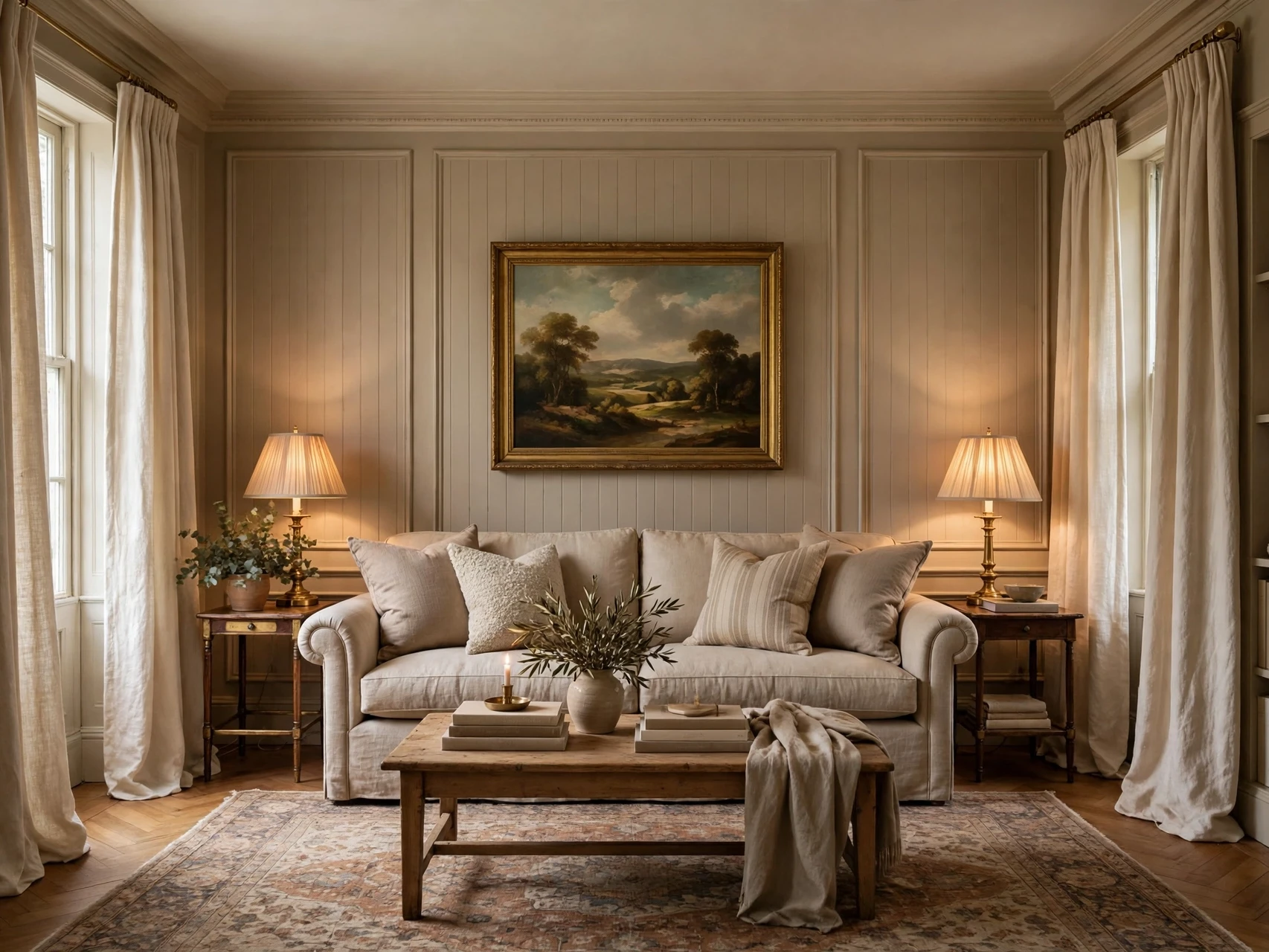
20 Old Money Decor Ideas for a Timeless, Elegant Home
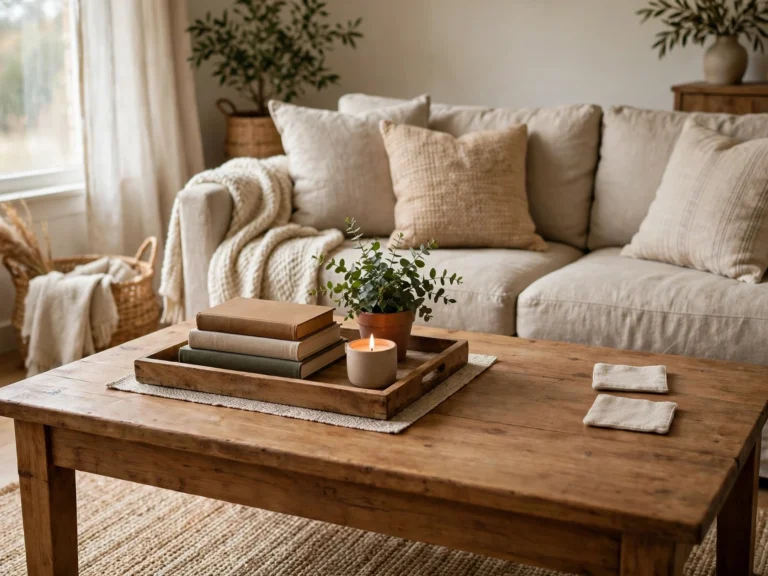
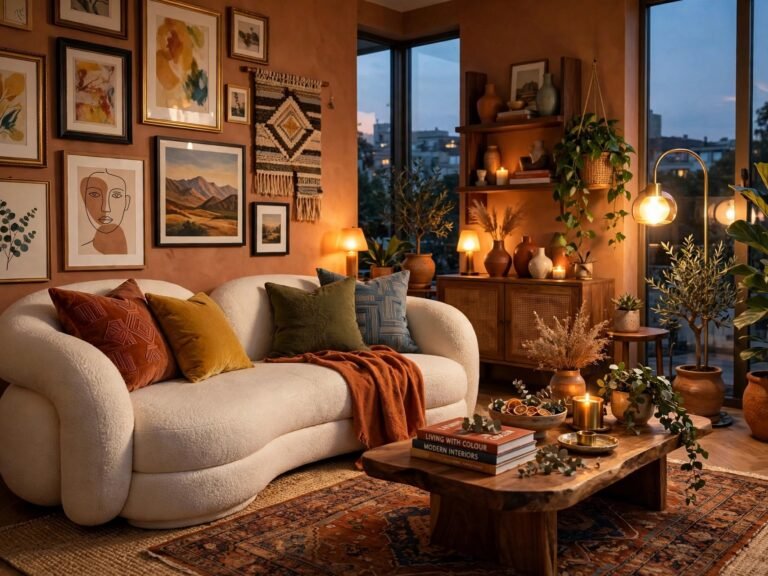
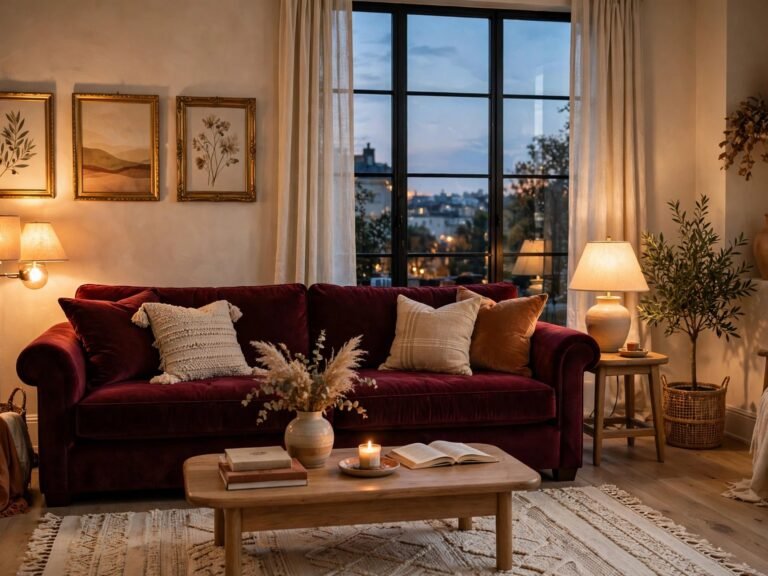
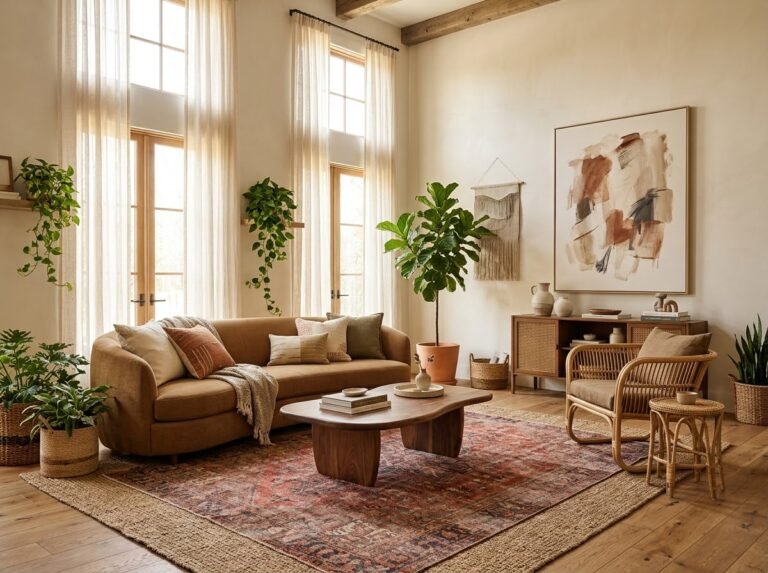
There is a quiet kind of luxury that has nothing to do with expensive furniture or designer labels. That is the beauty of old money decor. It combines classic furniture, natural materials, muted colors, and carefully chosen details to create rooms that feel elegant, comfortable, and collected over time.
The secret is to avoid making your home look like a museum or a furniture showroom. Instead, mix traditional pieces with comfortable furnishings, meaningful artwork, and everyday accessories that reflect your personality.
These 20 old money decor ideas will help you create this timeless look, from choosing the right furniture and color palette to decorating your living room, bedroom, kitchen, and other spaces. You will also find practical ways to achieve the style without spending a fortune.
1. Choose Furniture Shapes That Have Lasted Generations
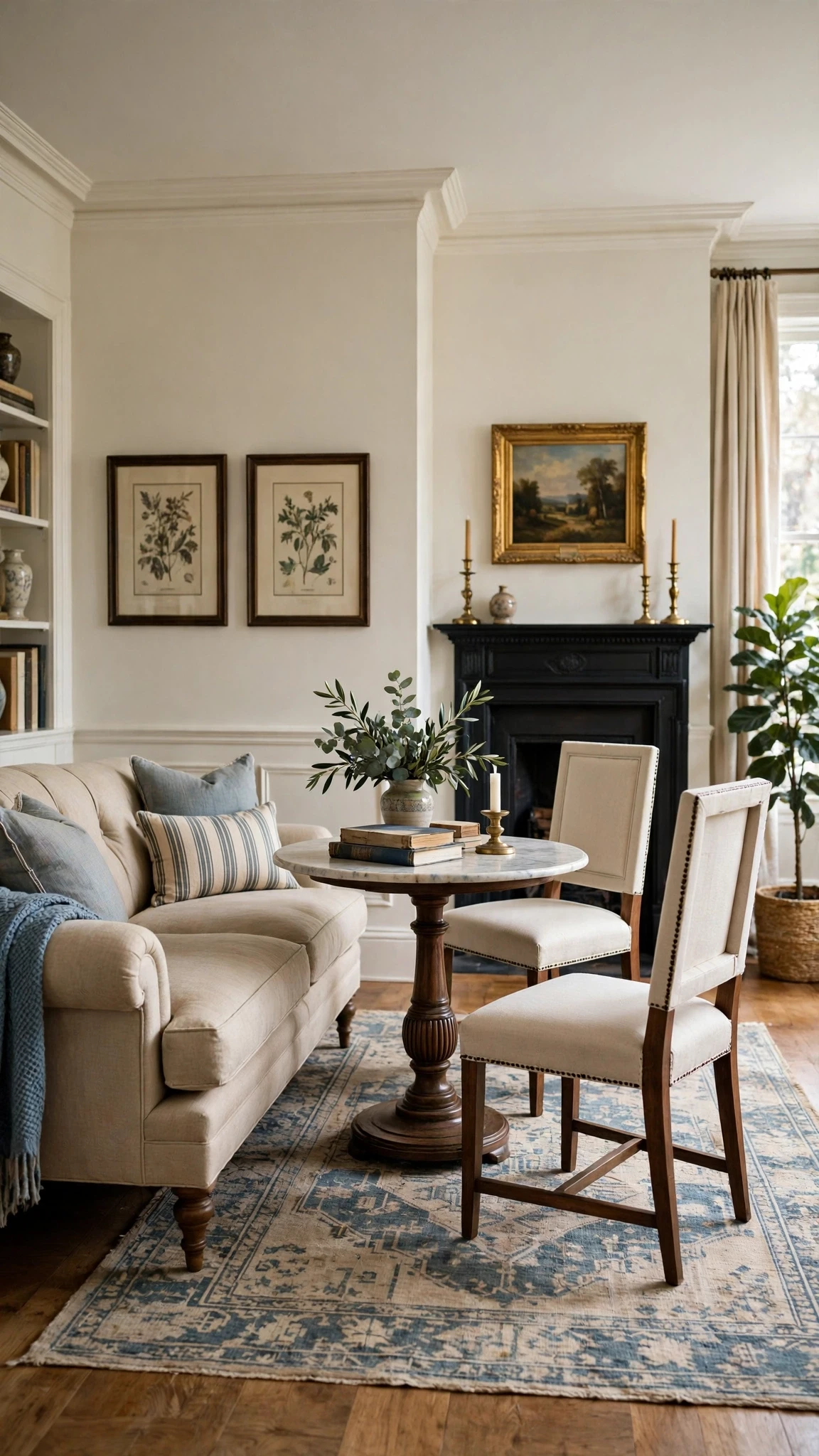
Old money interiors rely on furniture with timeless proportions rather than trendy silhouettes. Rolled-arm sofas, wingback chairs, pedestal tables, and gently tapered wooden legs bring a traditional character that works beautifully in both older and modern homes.
You do not need to replace all your furniture. Start with one or two classic pieces, such as a comfortable sofa or an upholstered accent chair, and build the rest of the room around them. This creates a collected appearance without making the space feel overly formal.
- Anchor first: pick the sofa or the largest chair in its classic shape, then build around it
- Straight legs win: chairs and tables with straight or gently tapered legs age better than sculptural bases
- Comfort test: sit before you buy, since a beautiful chair nobody sits in breaks the whole illusion
- One statement shape: let a wingback chair or a pedestal table be the room’s quiet star
2. Build a Calm Neutral Base, Then Layer Tone on Tone
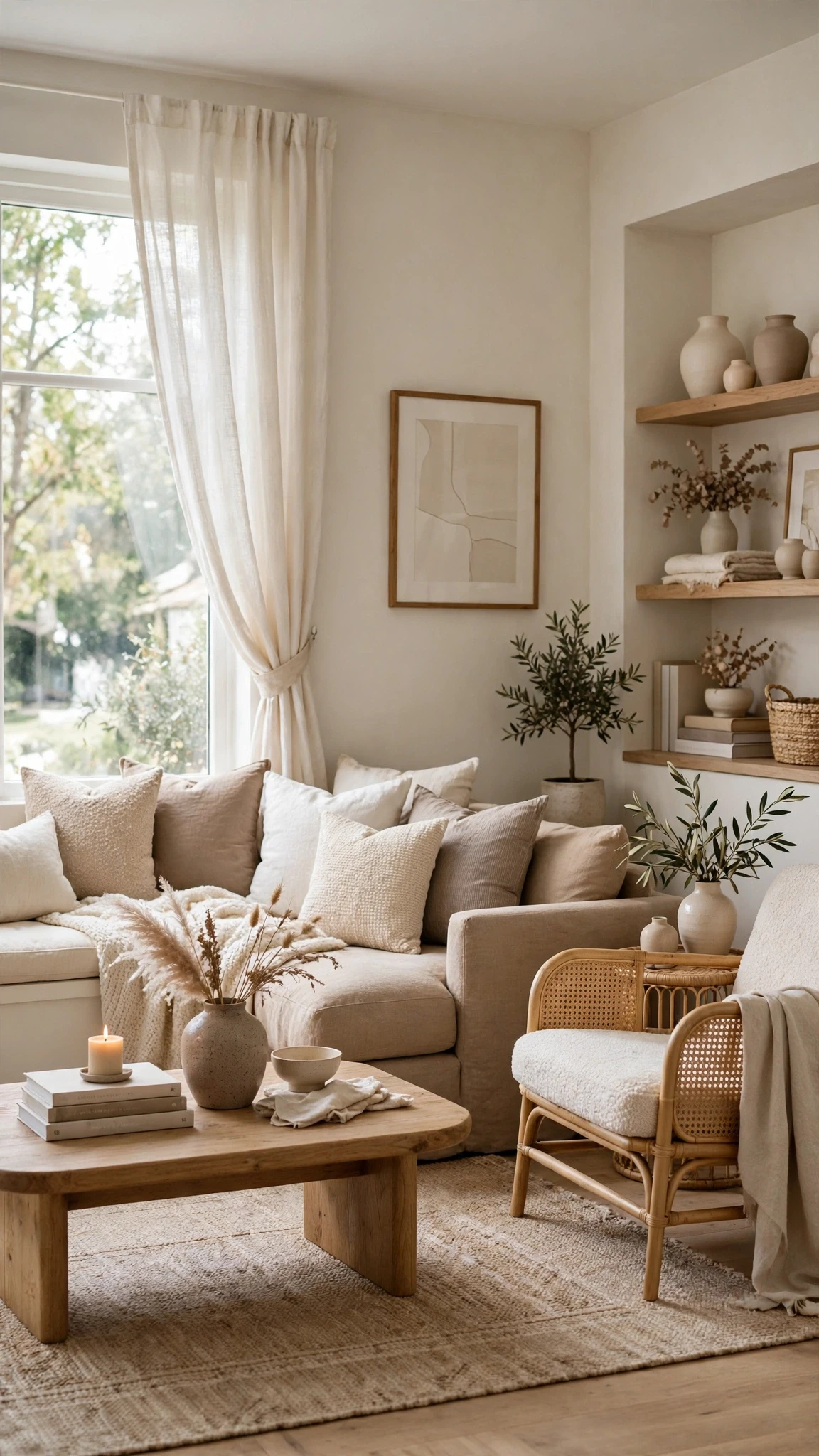
The old money palette starts quiet: soft whites, warm creams, muted beiges, greiges, and gentle taupes. These colors do the heavy lifting because they let texture and shape speak instead of shouting for attention. The trick is layering several close tones rather than painting everything one flat shade. A cream wall, a beige sofa, a taupe throw, and a greige rug create depth without a single bold color, and the room feels rich precisely because nothing in it competes.
- Three tones minimum: use at least three close neutrals so the room has depth
- Warm over cool: warm creams and beiges feel more lived in than stark whites
- Texture carries color: linen, wool, and wood make neutrals feel rich instead of flat
- One deep accent: a single dark green or navy cushion keeps the palette from going sleepy
3. Pick Natural Materials That Only Get Better With Age
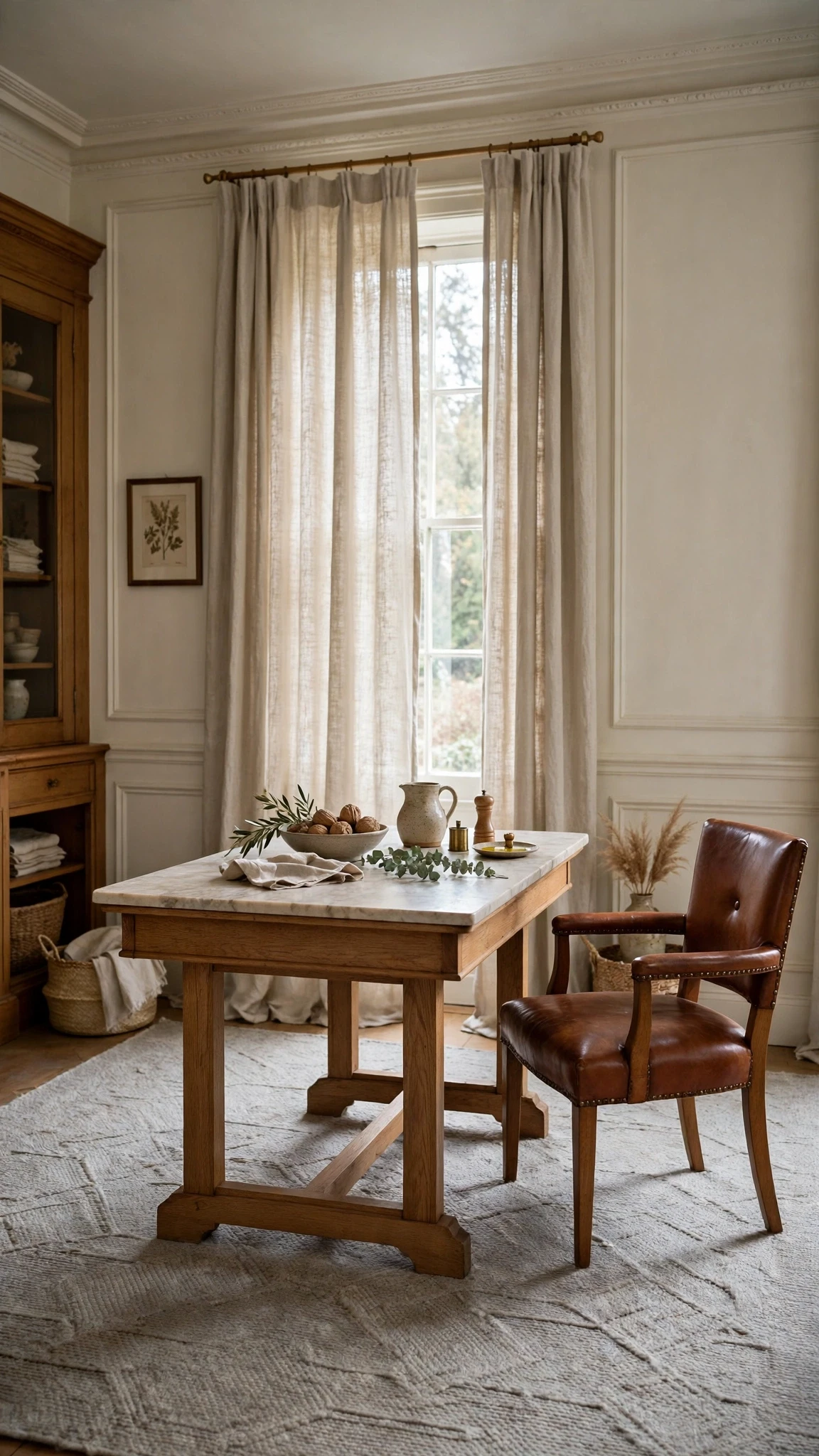
Wood, stone, linen, wool, marble, ceramic, and leather are the backbone of this style for a simple reason: they age beautifully instead of wearing out. A solid wood table gains character with every scratch, a marble top softens at the edges, and a leather chair grows more comfortable every year. Synthetic lookalikes do the opposite. They start out shiny and slowly look cheaper, which is exactly what old money rooms avoid. When you choose a material, ask whether it will look better in ten years. If the answer is yes, it belongs.
- Solid over veneer: solid wood furniture outlasts and out-ages thin veneers
- Natural fibers first: linen curtains, wool rugs, and cotton throws beat polyester versions
- Stone where it counts: a marble or stone top on one key surface lifts the whole room
- Leather that patinas: full-grain leather ages with character, corrected grain just cracks
4. Let One Genuine Antique Carry Each Room
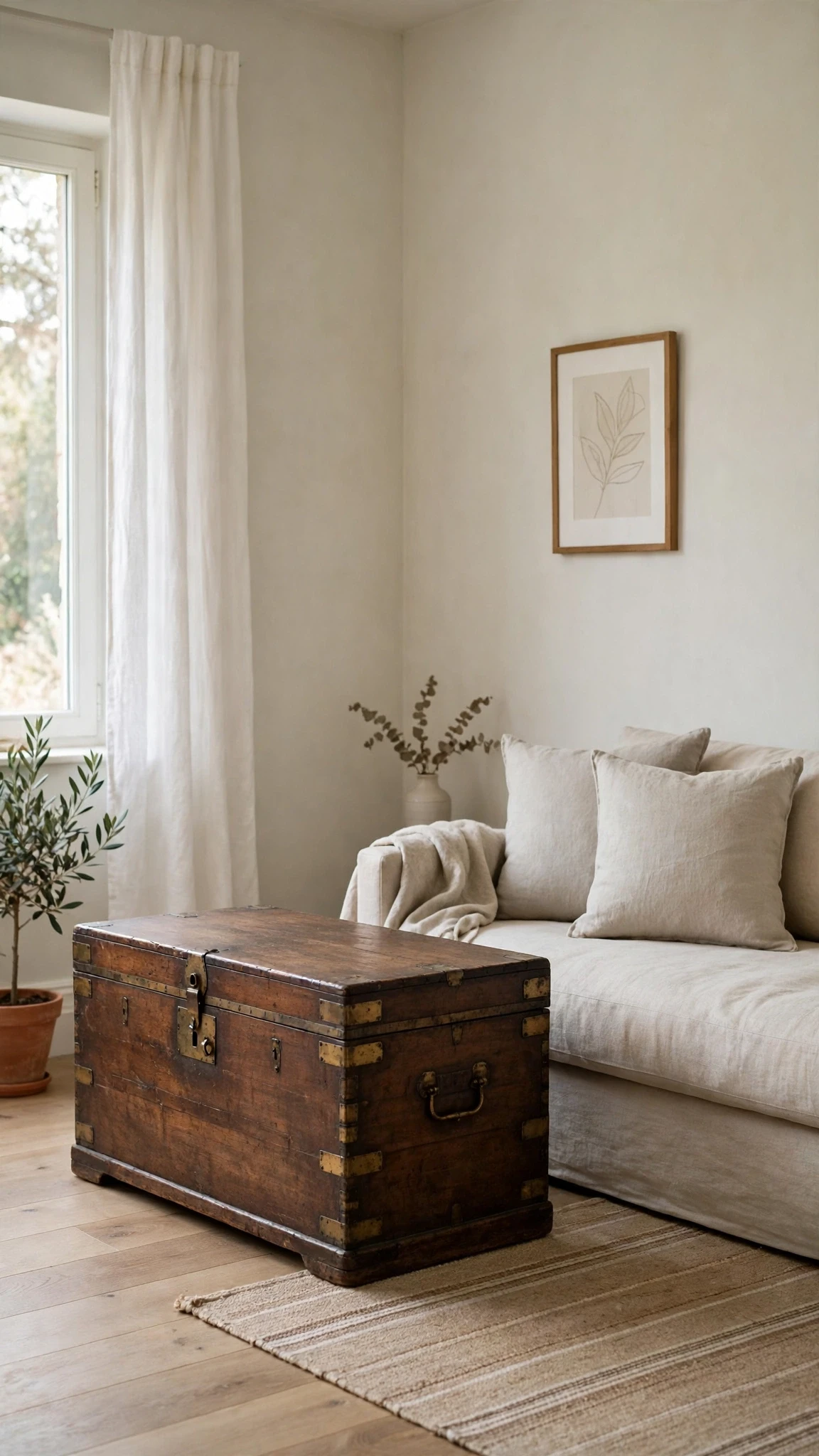
One real antique does more for a room than ten reproduction pieces, because it brings a story nothing new can fake. The worn edge of a drawer, the slightly uneven carving, the patina on a brass handle: these details tell a guest the room was built over time. You do not need a house full of antiques, and you should not want one. A single strong piece per room, a chest, a mirror, a chair, or a small cabinet, gives the whole space its history, while everything else can be simple and new.
- One per room: a single antique per room keeps the look collected, not cluttered
- Start small: a mirror, a box, or a side chair costs far less than a full antique set
- Check the joints: dovetails, solid wood backs, and hand-finished edges mark real age
- Let it show wear: a little wear is the point, so do not over-restore a good piece
5. Hang Art With a Story, Not Prints Everyone Owns
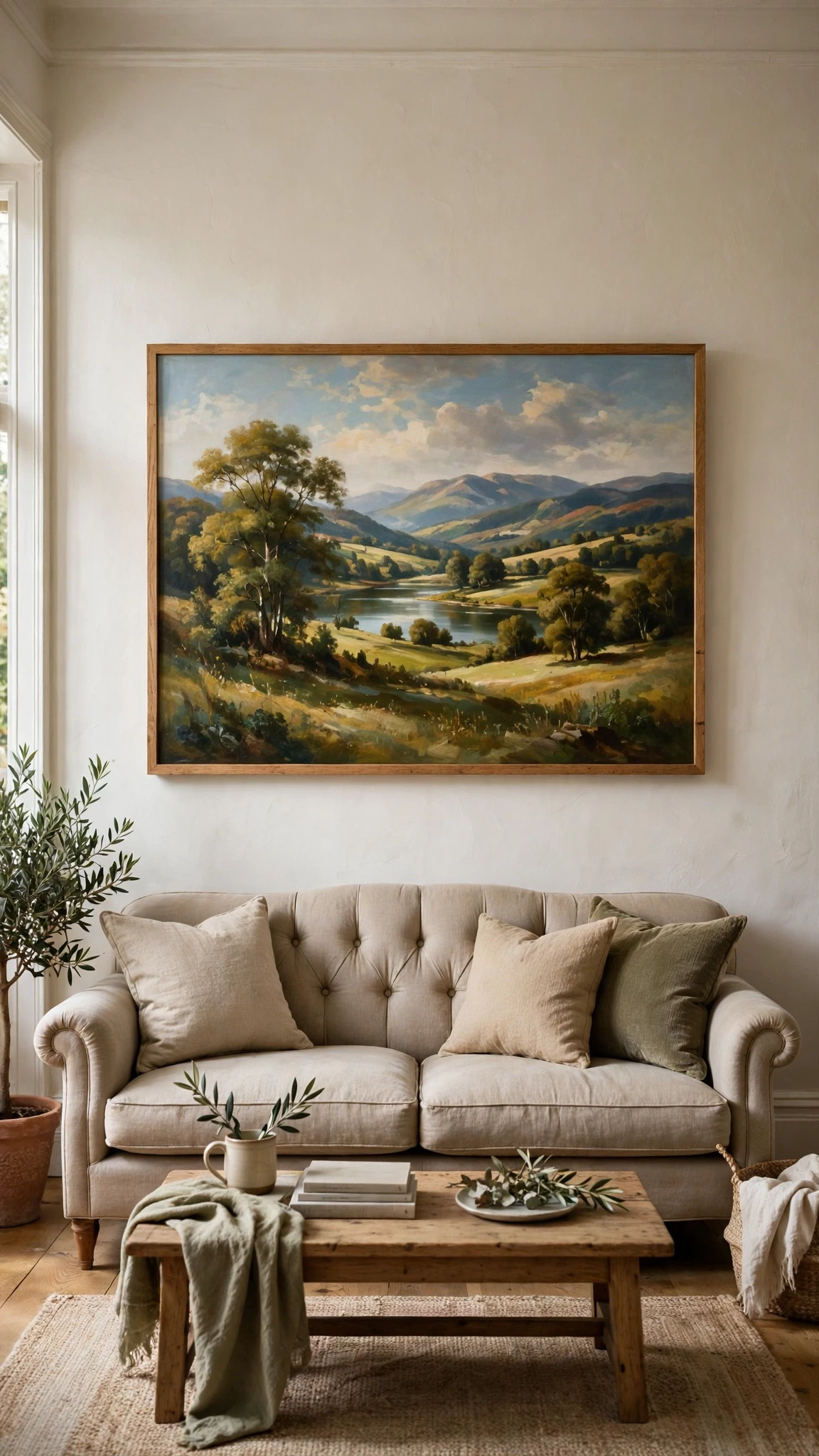
Old money walls are full of art that means something to the people who live there: a landscape from a trip, a portrait found at an estate sale, a sketch from a local artist, a framed family photograph in a simple frame. Mass-produced prints, the same ones hanging in a thousand homes, do the opposite. They make a room feel decorated rather than lived in. Art does not need to be expensive to work. It needs to feel chosen, and it needs to be hung at eye level where it can actually be looked at.
- Meaning first: choose art you would keep even if nobody else saw it
- Simple frames: plain wood or thin gold frames suit the style better than ornate ones
- Eye level rule: hang the center of the piece around 57 inches from the floor
- One large piece: a single large painting anchors a wall better than a grid of small prints
6. Let Your Curtains Fall All the Way to the Floor
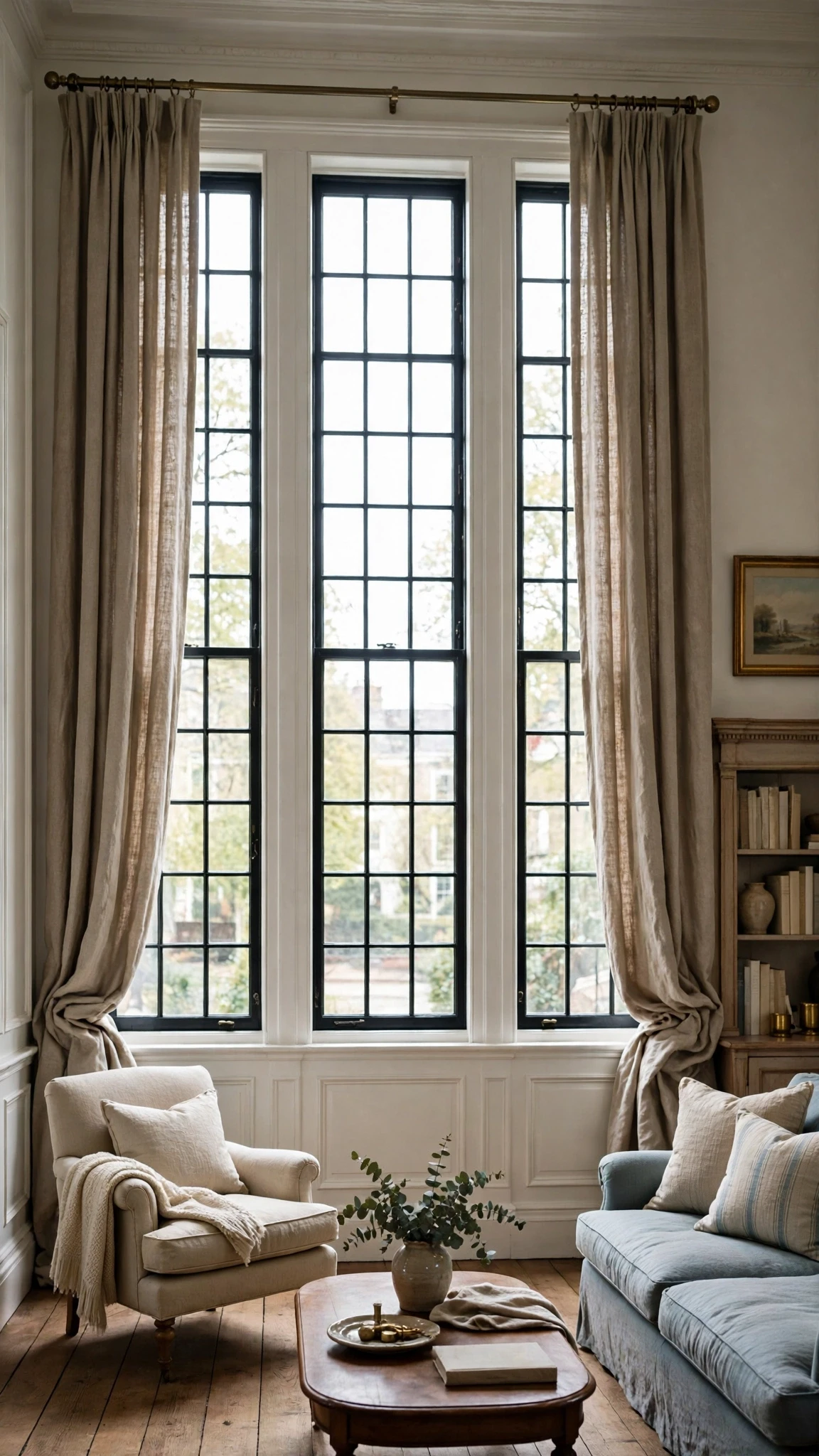
Few details change a room as fast as curtain length. Curtains that stop at the sill or hover above the floor make even a beautiful room look unfinished, while curtains that touch the floor, or puddle just slightly, make the windows look taller and the room look considered. Heavy linen or cotton in a soft neutral works best, since it hangs in clean folds and filters light gently. Mount the rod high and wide, so the window looks larger than it is and the curtains frame the wall rather than crowding the glass.
- Floor length always: curtains should just kiss the floor, never stop mid-wall
- Rod high and wide: mount six inches above the frame and past its sides
- Linen or cotton: heavy natural fabric hangs better than thin synthetics
- Skip the sheers trap: one good curtain layer beats three fussy ones
7. Keep Patterns Quiet: Stripes, Checks, and Soft Florals
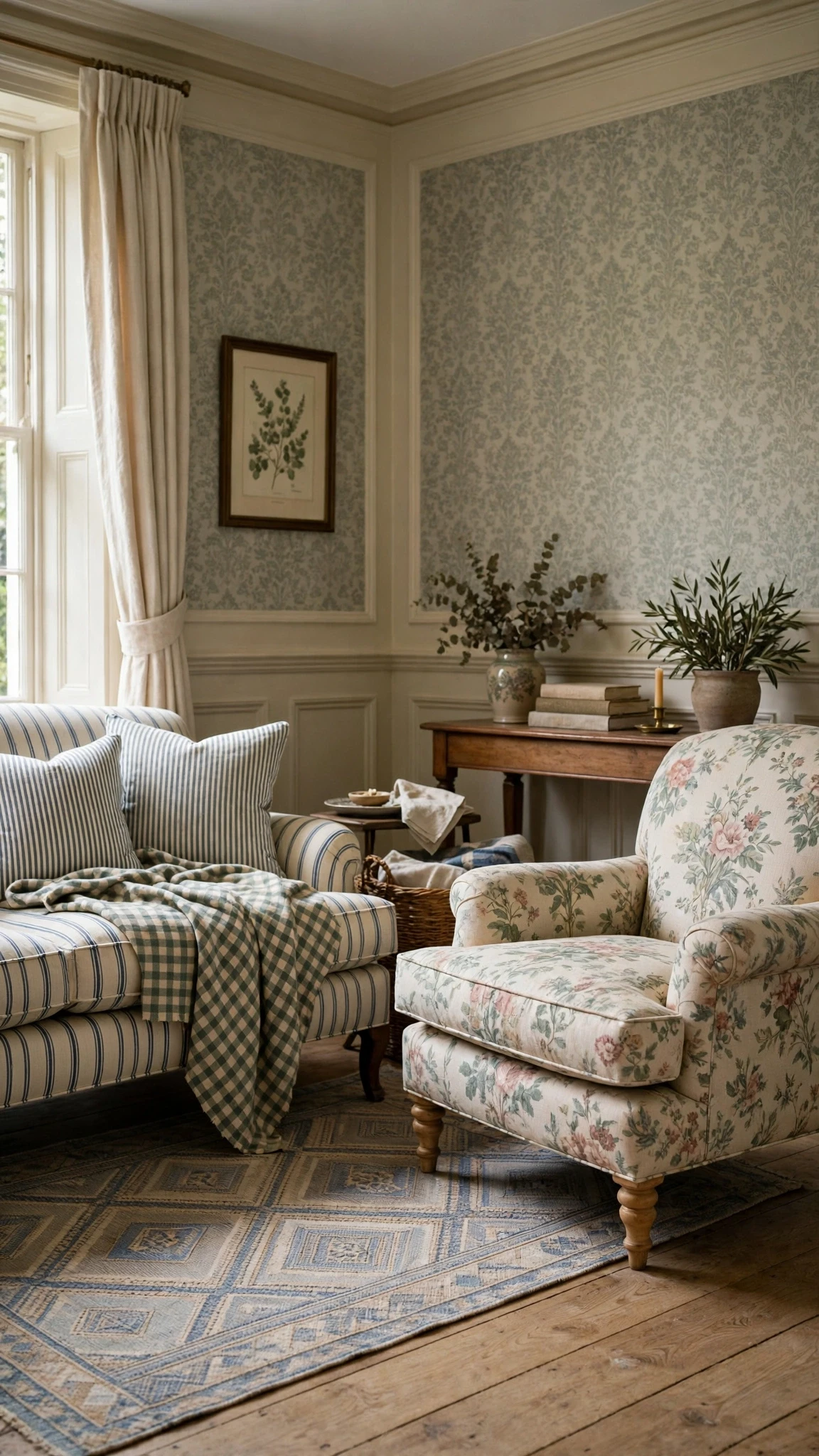
Old money patterns never shout. Stripes, plaids, checks, and soft florals appear everywhere in this style, but always in muted tones and at a modest scale, so they read as texture from across the room rather than as a print demanding attention. The rule is simple: if a pattern jumps out at you from the doorway, it is too loud. Mix two or three quiet patterns in one room, a stripe on a cushion, a check on a throw, a small floral on a chair, and keep them inside the same neutral family so they sit together calmly.
- Muted tones only: patterns in beige, soft green, dusty blue, or faded red
- Small to medium scale: avoid oversized prints that dominate a small room
- Two or three max: more patterns than that turns calm into busy
- Same color family: shared tones keep mixed patterns peaceful
8. Give the Kitchen an Understated, Stone-Topped Calm
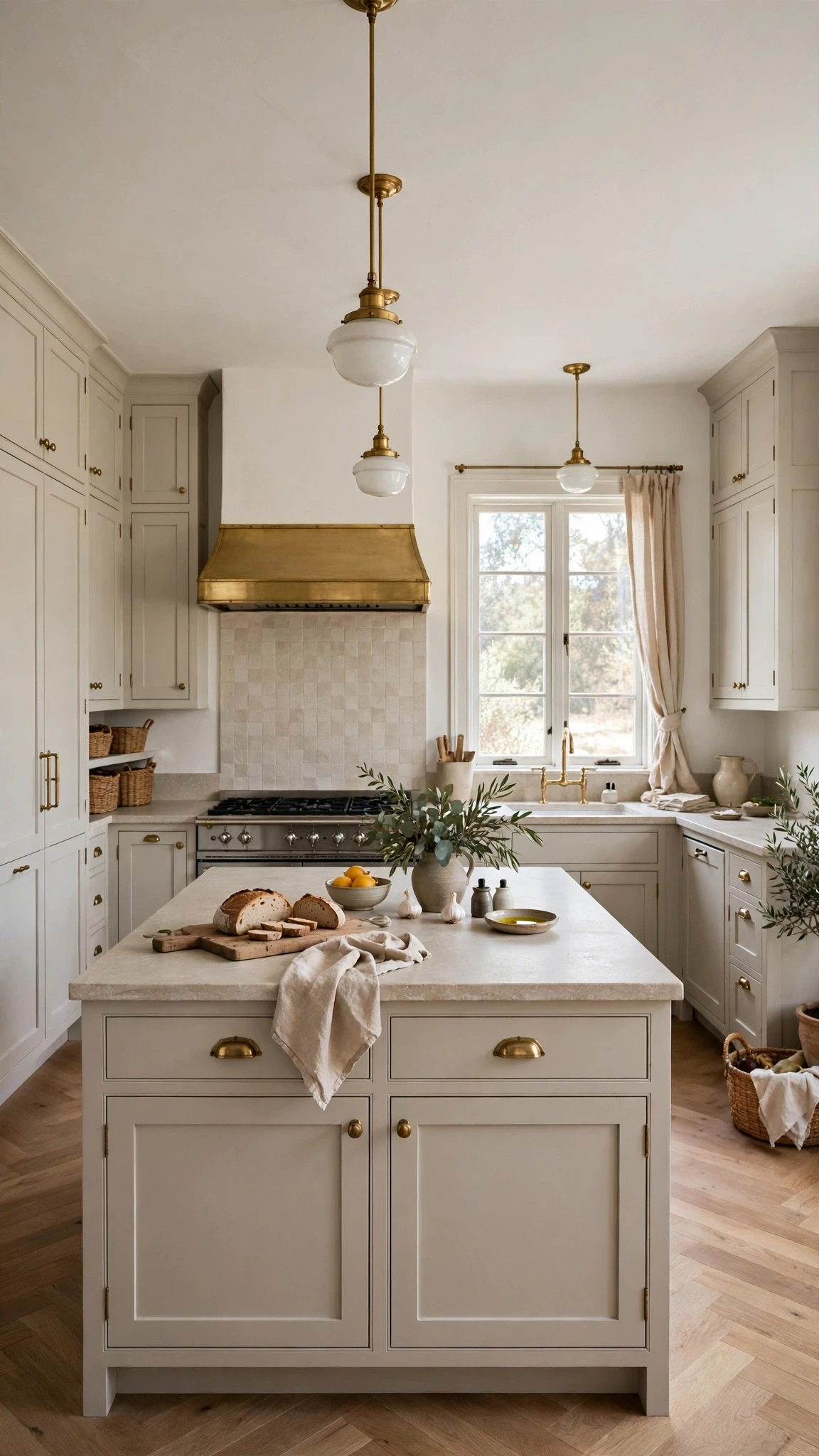
An old money kitchen skips the flashy finishes and lets good materials do the work. Neutral cabinetry, classic hardware, stone countertops, and open space on the counters create a kitchen that feels like it has been there for decades, even if the cabinets are new. The biggest mistake is filling every surface: a kitchen that shows restraint looks far more expensive than one crowded with gadgets, canisters, and trendy colors. Keep the everyday tools behind closed doors, and leave the counters nearly clear.
- Neutral cabinets: creams, soft whites, and muted greens outlast trendy colors
- Classic hardware: simple knobs and cup pulls in aged brass or nickel
- Clear counters: store small appliances away and leave the stone visible
- One natural surface: a stone or butcher block top sets the tone for the whole room
9. Style the Bedroom to Feel Collected, Not Staged
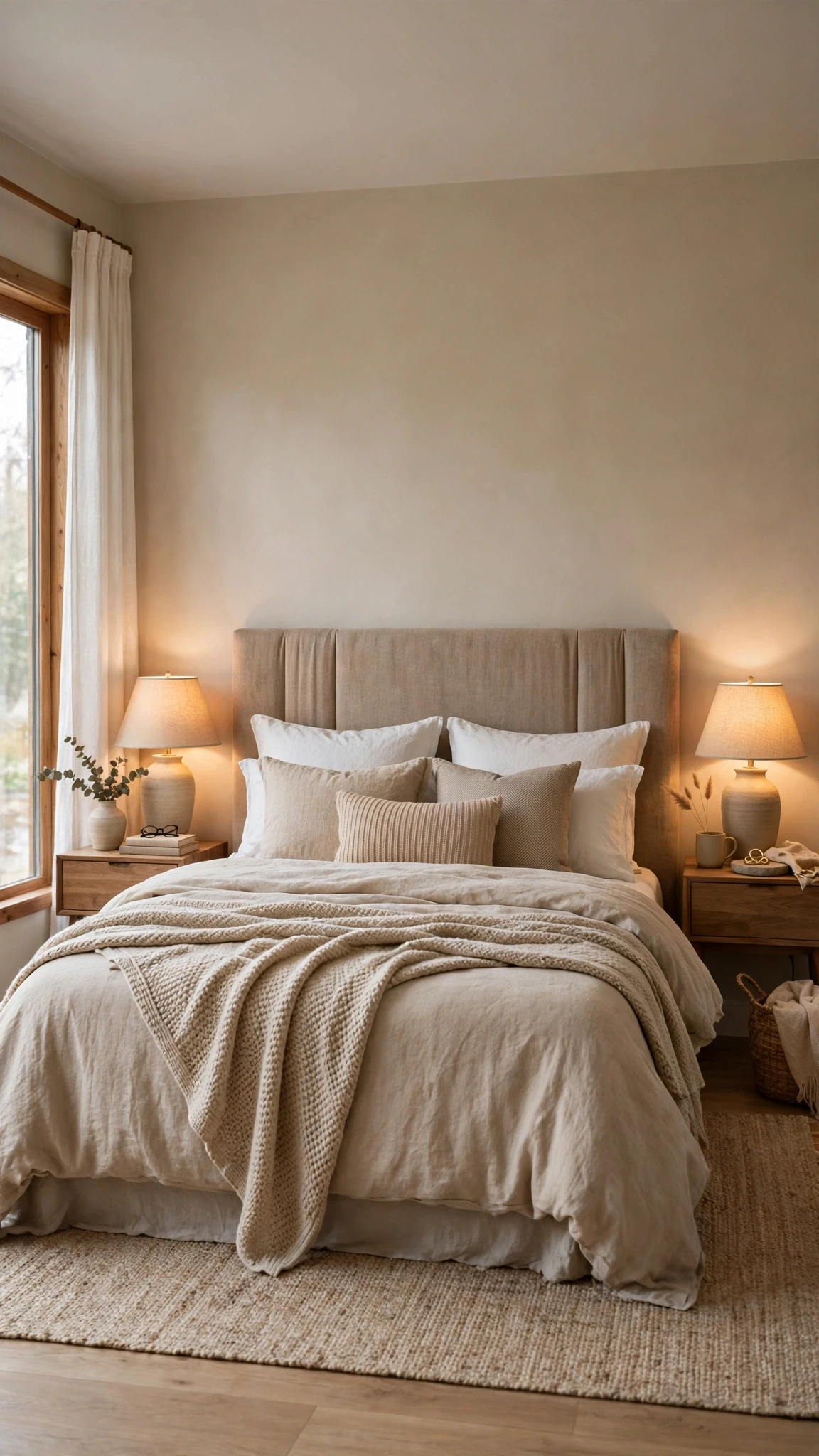
An old money bedroom feels like a place someone actually sleeps, not a hotel display. Crisp bedding in layered neutrals, an upholstered headboard, a wooden nightstand with a real lamp, and a book left open on the bed do more than any matching set. The room should be calm and a little soft around the edges: a throw folded at the foot of the bed, a chair with a sweater over its back, curtains that close properly at night. Perfection is the enemy here. A bedroom that looks slightly lived in feels far more luxurious than one that looks untouched.
- Layered bedding: a fitted sheet, a flat sheet, a light quilt, and one throw
- Upholstered headboard: linen or velvet in a neutral tone softens the whole wall
- Real lamps: matching table lamps with warm bulbs beat overhead light
- One lived-in touch: a book, a tray, or a folded throw keeps the room human
10. Hide Everyday Clutter Behind Closed Cabinets
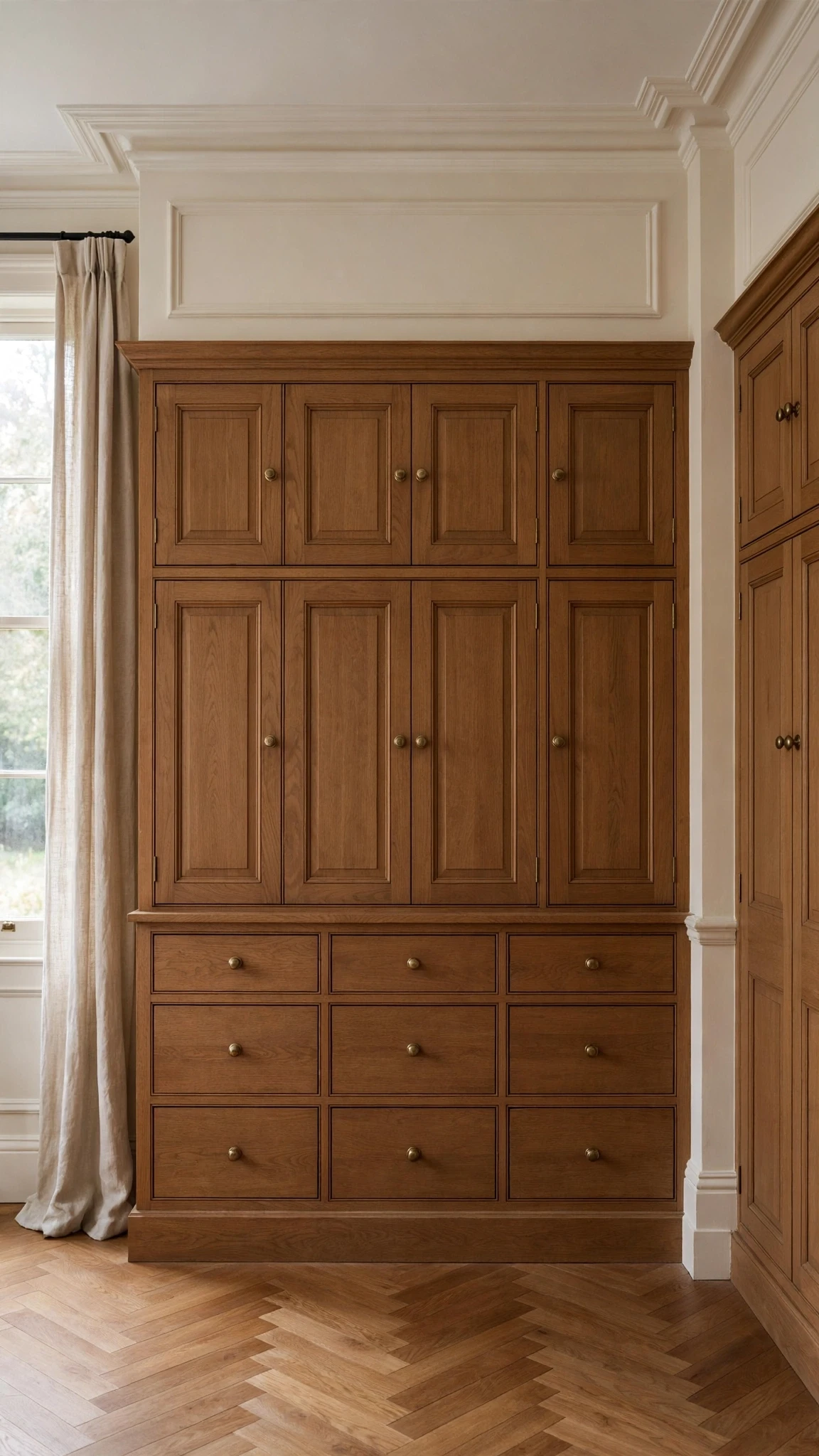
Calm rooms are rarely empty rooms. They are rooms where the everyday mess has somewhere to go. Old money homes rely on cabinets, drawers, armoires, and closed storage to keep daily life out of sight, so the surfaces that show hold only a few beautiful things. This is the single fastest way to make any home feel more expensive: when the eye finds no clutter, the brain reads the room as ordered and cared for. Open shelving has its place, but it should display books and ceramics, not chargers, bills, and cleaning sprays.
- Closed first: cabinets and drawers for daily items, open shelves for display only
- One catch-all drawer: a single drawer per room swallows the small stuff
- Baskets inside cabinets: woven baskets keep deep cabinets usable
- Nightly reset: five minutes returning things to closed storage keeps the calm
11. Choose Aged Brass and Soft Nickel Over Anything Shiny
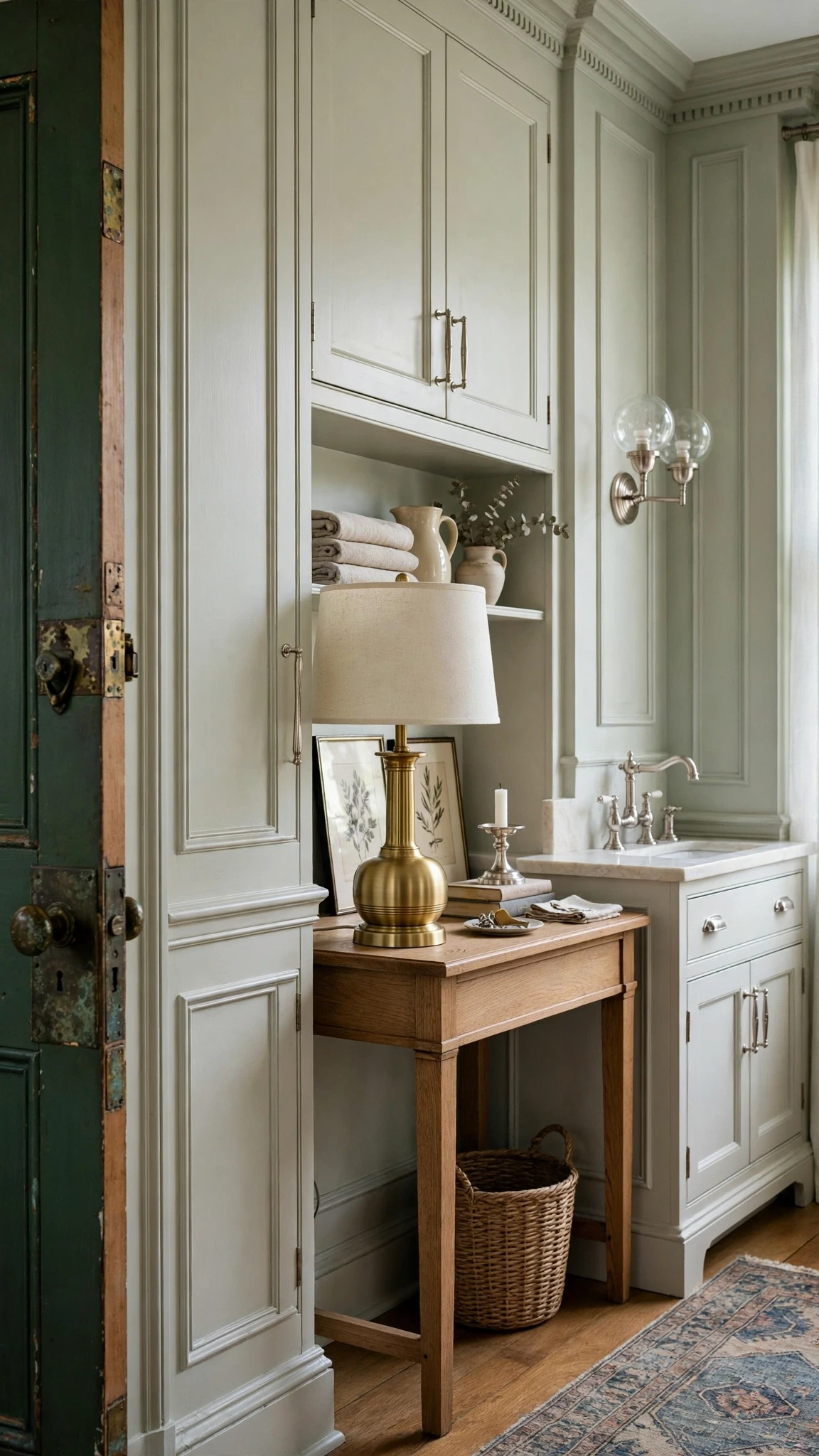
Metals in an old money home look like they have been there a while: brushed brass, aged bronze, antique gold, and soft nickel, all with a muted finish that catches light gently instead of flashing it. Overly shiny chrome or mirrored gold reads as new money, because it announces itself. The same rule applies to hardware, faucets, lamps, and picture frames. When you swap a shiny fixture for an aged one, the whole room settles down a notch, and the other materials around it start to look richer.
- Brushed, not polished: matte and brushed finishes age gracefully
- One metal family: keep brass with brass and nickel with nickel in a single room
- Hardware first: swapping knobs and pulls is the cheapest metal upgrade
- Patina is welcome: slight darkening on brass is character, not damage
12. Paint Walls in Colors Borrowed From Old Houses
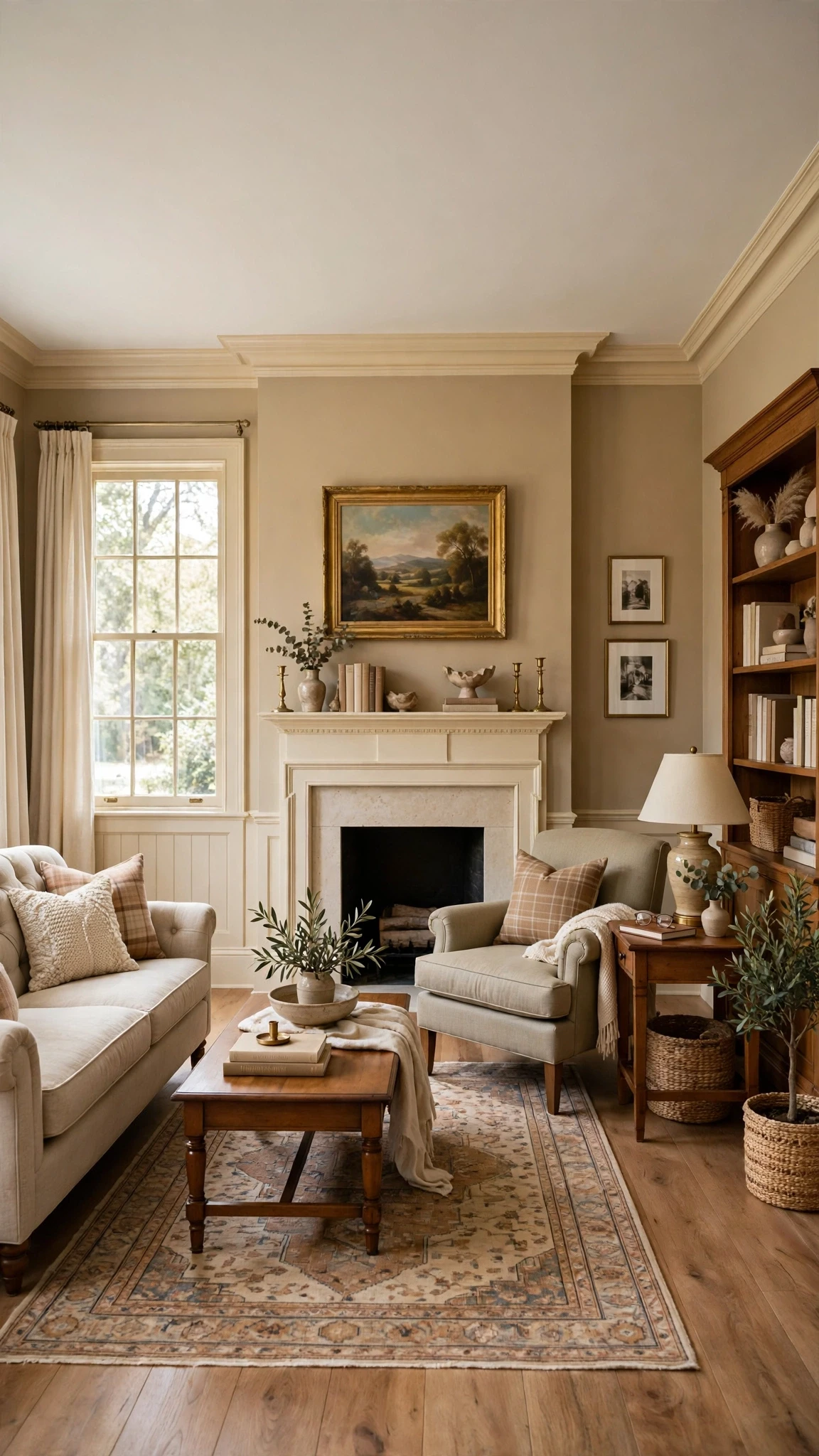
The wall colors that suit this style are the ones old houses already wear: soft whites, warm neutrals, muted greens, pale blues, and gentle grays. These shades work because they sit quietly behind furniture and art instead of competing with them, and they shift beautifully through the day as the light changes. A muted sage in a bedroom, a pale blue in a bathroom, a warm greige in a living room: each one feels historic without feeling dark. Test a color on a large patch and watch it morning and evening before committing, since old-house colors change a lot with light.
- Sample large: paint a two-foot patch and live with it for two days
- One color per room: calm rooms rarely need an accent wall
- Trim in cream: warm white trim softens every wall color around it
- North rooms warmer: cool-facing rooms need warmer shades to avoid gloom
13. Pick Sofas You Can Actually Sink Into
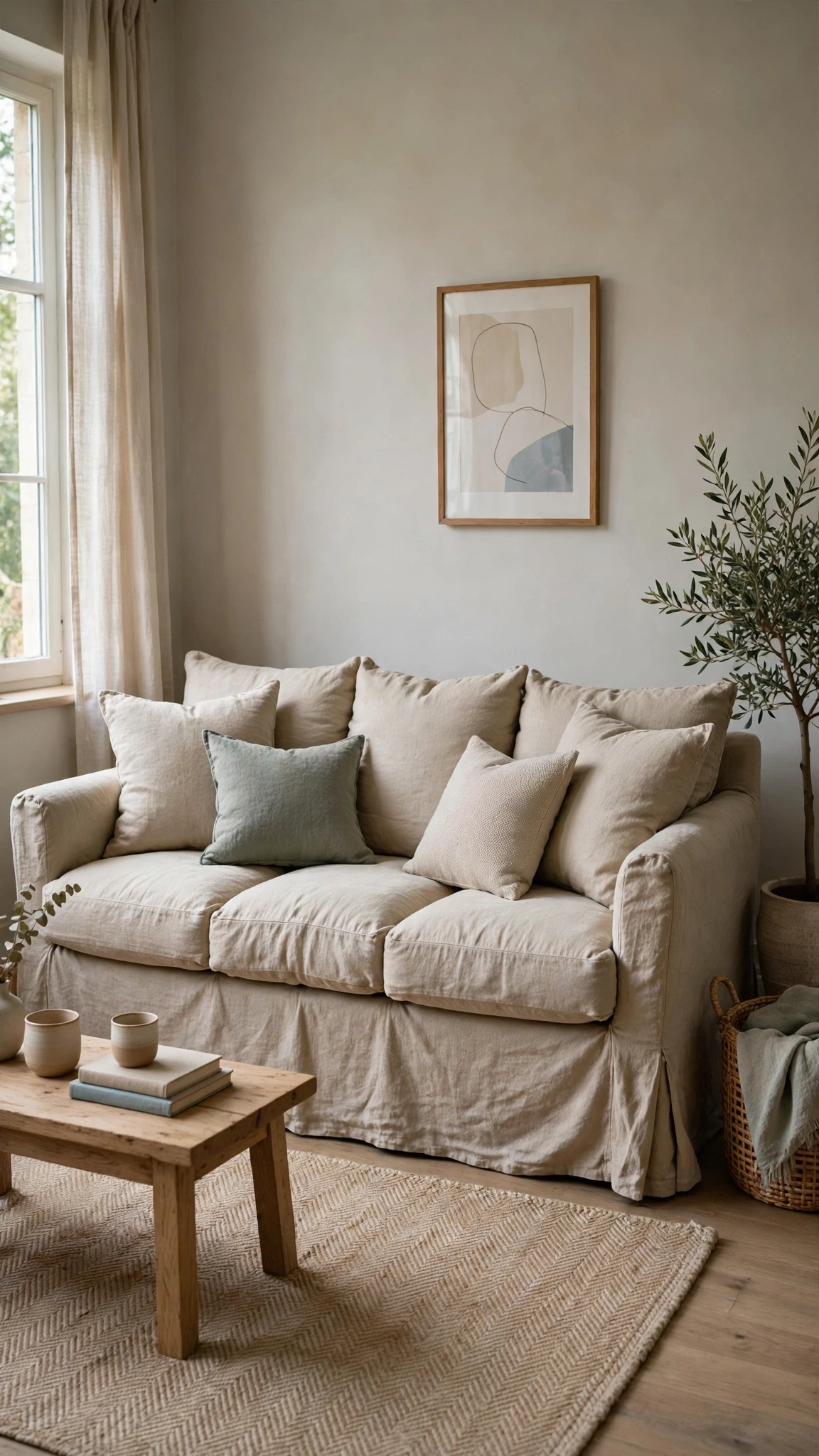
A sofa in an old money home looks inviting, not stiff. Deep seats, plush cushions, and slipcovers that soften the lines all say the same thing: this is a room for sitting, reading, and long conversations, not a room for looking at furniture. A sofa that looks too perfect, with knife-edge cushions and not a wrinkle in sight, feels like a showroom piece and breaks the spell. Choose a comfortable depth, a fabric that forgives daily use, and cushions you can fluff rather than ones you must keep pristine.
- Deep seats: 24 inches or more of seat depth invites real lounging
- Slipcovers welcome: a washable linen slipcover is practical and looks the part
- Plump cushions: feather-wrapped cushions soften with use instead of flattening
- Fabric that forgives: linen, cotton, and wool hide daily life better than silk
14. Style Bookshelves Like a Life, Not a Shop Display
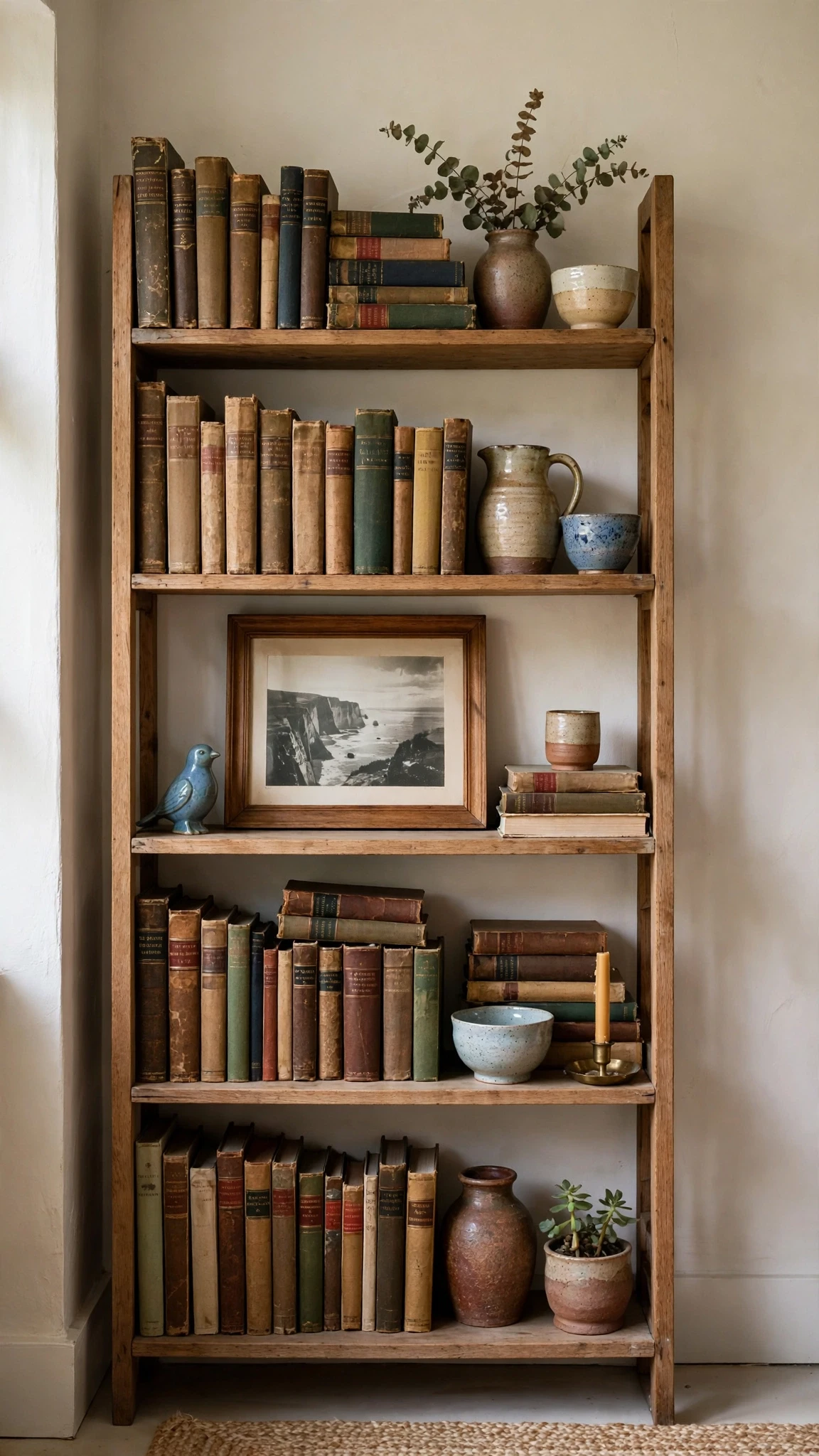
Bookshelves in this style tell a story about the household: old books, a ceramic bowl from a trip, a framed photograph, a small plant, all arranged loosely with room to breathe. The mistake is treating shelves like a store display, with everything spaced evenly and color-coded. Real collected shelves are a little uneven, with some books stacked horizontally, some standing, and a few gaps where nothing sits at all. Leave a third of each shelf empty if you can. The empty space is what makes the objects on it look chosen rather than crammed.
- Books first: real books you have read beat decorative fake spines
- Horizontal stacks: a few books lying flat break up rows and hold small objects
- Leave gaps: empty space on a shelf makes the rest look intentional
- Personal objects only: a souvenir or heirloom beats a generic ornament
15. Make the Entryway Whisper Instead of Shout
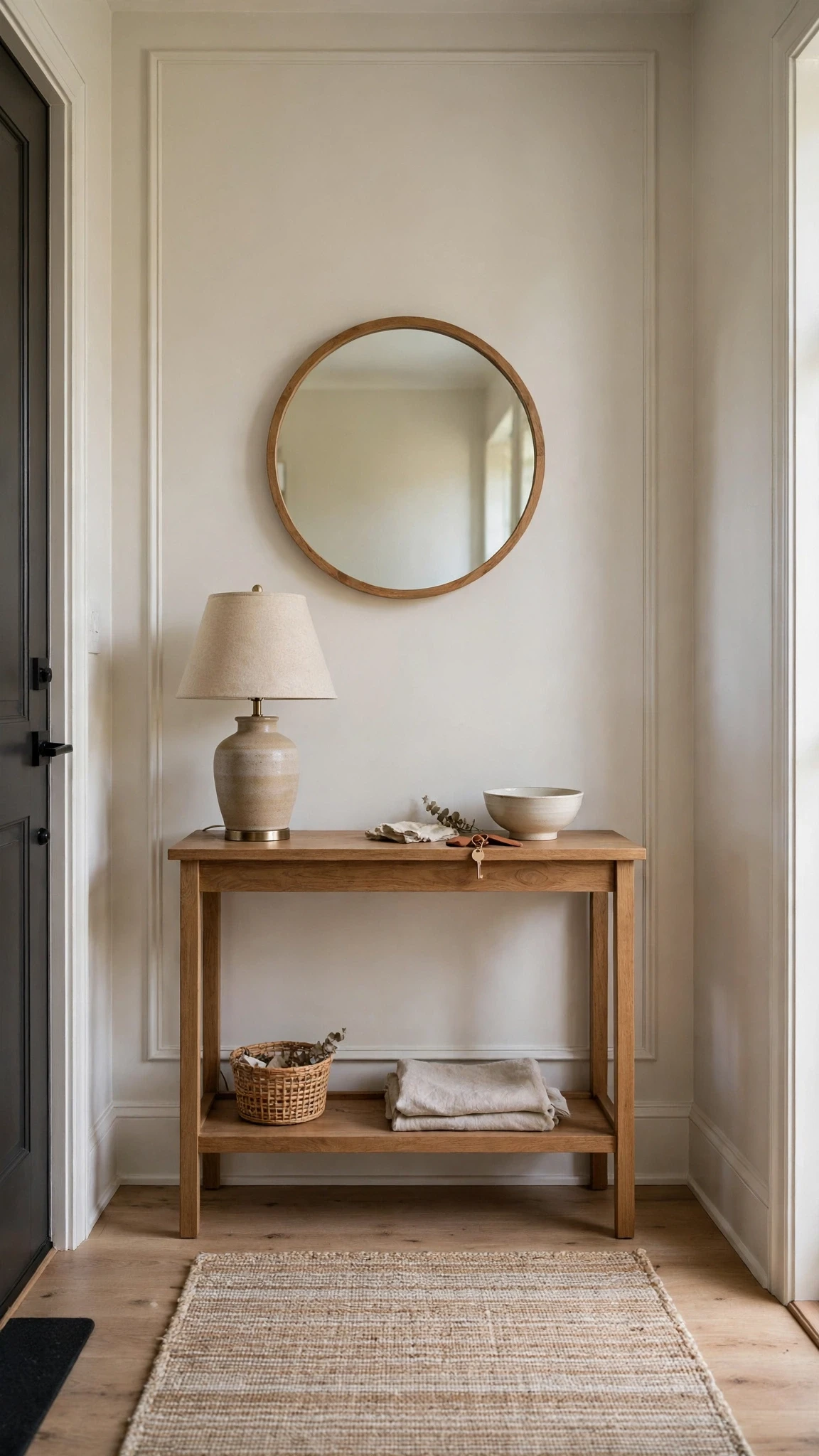
The entryway sets the tone for the whole house, and in an old money home it speaks quietly. A simple console table, a mirror, a lamp, and maybe a bowl or a vase are enough. The space should feel calm the moment someone steps in, not crowded with statements. A mirror doubles the light and lets guests check themselves on the way out, a lamp adds warmth, and a small bowl gives keys a home so they never scatter. Resist the urge to fill every wall. An entryway with room to breathe feels far grander than one packed with decor.
- Console, mirror, lamp: the three pieces that carry any entryway
- One bowl for keys: a single dish keeps the surface tidy
- Mirror over art: a mirror suits an entryway better than a busy print
- Leave wall space: one decorated wall is enough in a small entry
16. Set a Dining Table for Long, Slow Meals
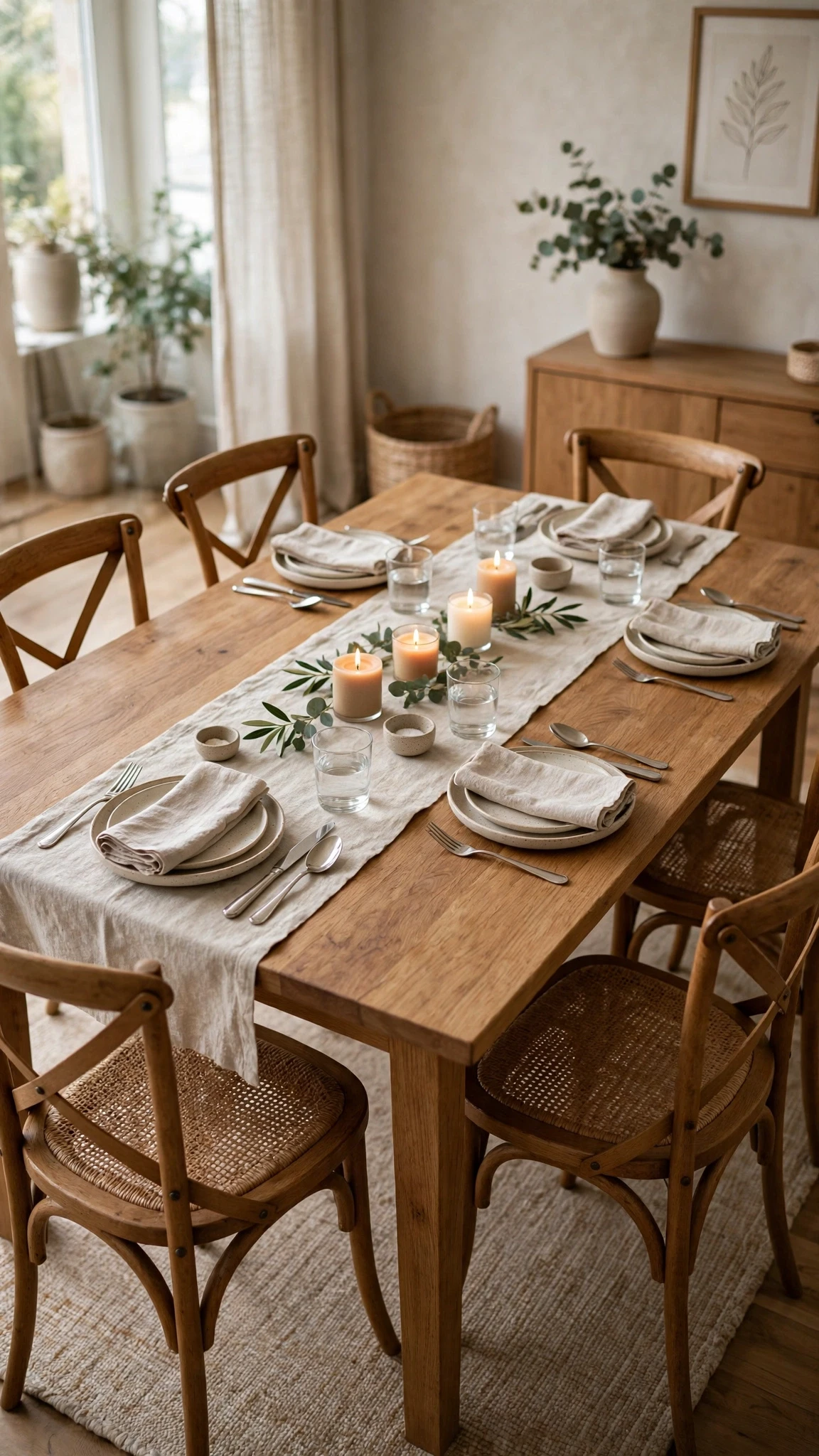
Old money dining rooms are built for meals that last, not for show. A solid wood table, classic chairs, simple linen, and low warm light make people want to sit down and stay. The table does not need a centerpiece that blocks conversation. A low bowl of greenery, a pair of candles, or a simple runner leaves room for faces and food. Keep the chairs comfortable enough for a second hour, and keep the table clear between meals except for one quiet arrangement, so the room feels ready rather than staged.
- Solid wood table: a sturdy table anchors the room for decades
- Low centerpiece: keep arrangements below eye level so guests see each other
- Simple linen: plain cloth napkins and a plain runner beat patterned sets
- Comfortable chairs: upholstered or well-shaped wooden chairs invite long meals
17. Put a Rug With a Past Underfoot
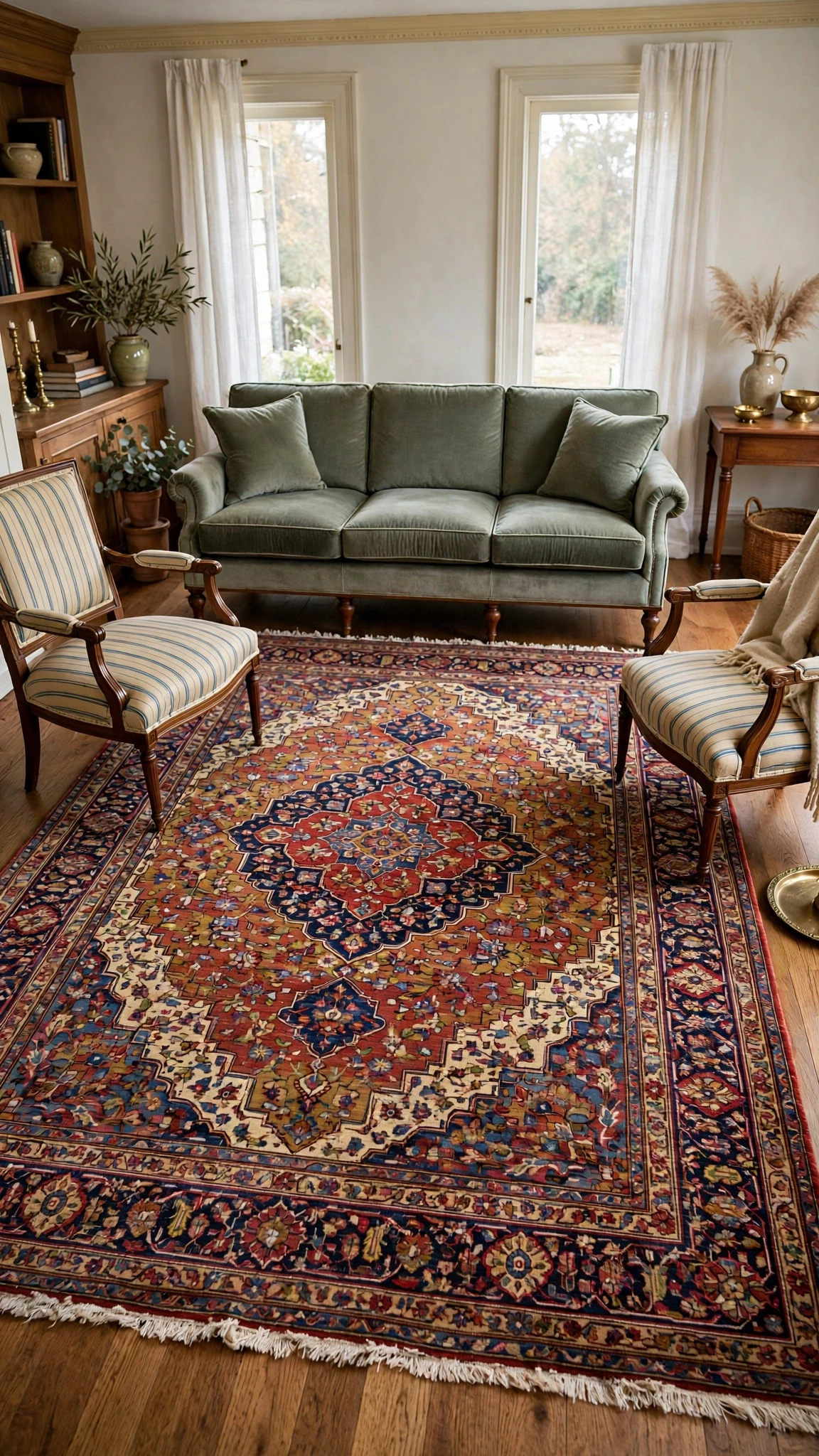
Few pieces change a room as completely as a traditional rug. A Persian, Oriental, or vintage-style rug in muted reds, blues, and creams adds warmth, pattern, and history in one move, and it ties furniture together the way nothing else can. The rug should be large enough that the front legs of the sofa and chairs rest on it, since a small floating rug makes the whole room feel disconnected. Vintage rugs are often cheaper than new ones of the same quality, and their softened colors suit the old money palette perfectly.
- Size up: front legs of all seating should sit on the rug
- Muted colors: faded reds, indigos, and creams suit the palette
- Vintage value: secondhand rugs often cost less and look better
- Pad underneath: a rug pad protects floors and keeps the rug flat
18. Use Symmetry to Make a Room Feel Calm
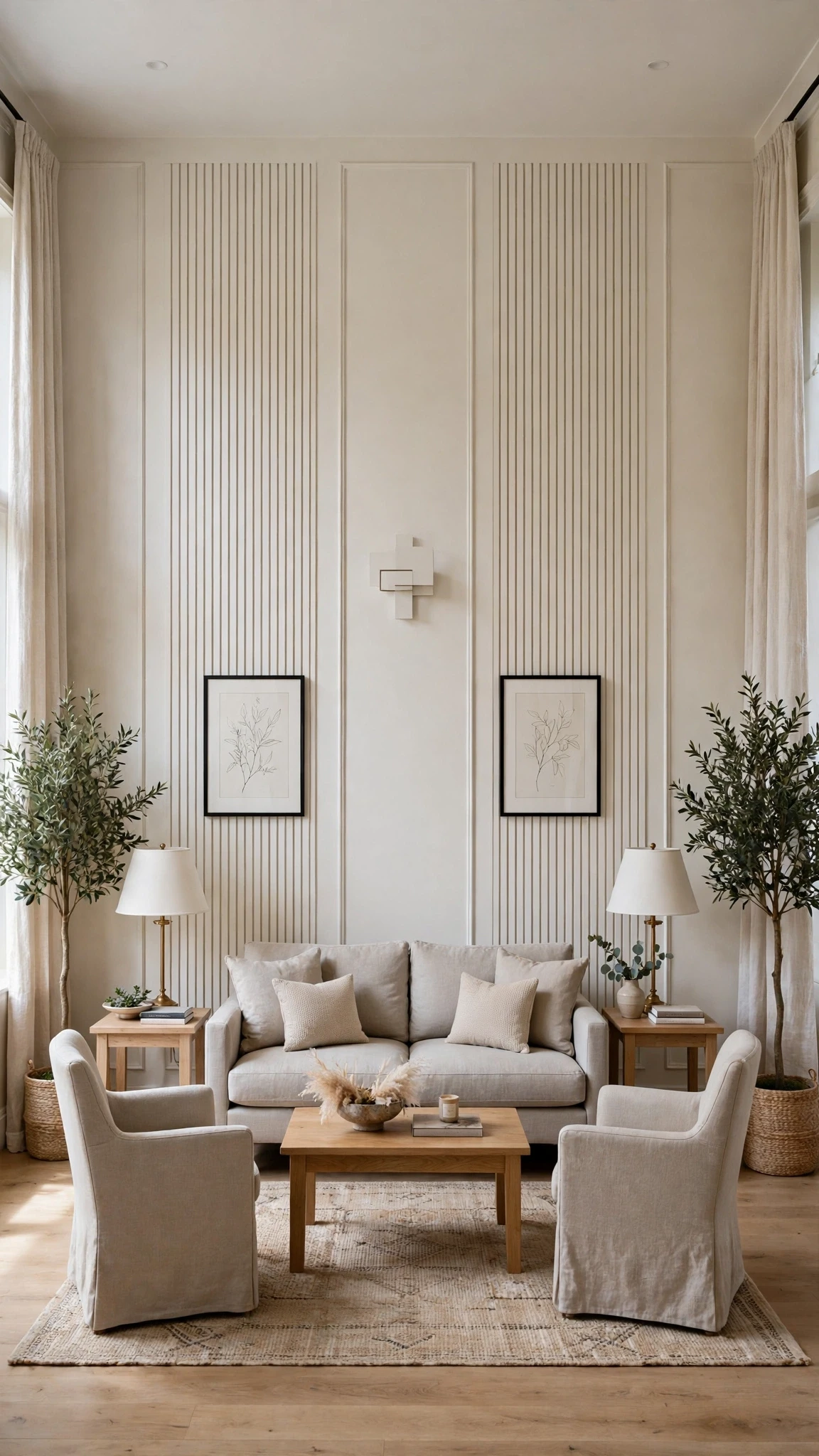
Balanced layouts are one of the quiet secrets of this style. Two matching lamps on either side of a sofa, a pair of chairs facing each other, identical frames flanking a mirror: these balanced pairs make a room feel ordered and peaceful without any effort from the viewer. The symmetry should feel intentional but not rigid. A perfectly mirrored room can feel stiff, so let one side hold something slightly different, a book stack on one table, a small plant on the other, and the balance stays human.
- Pairs first: lamps, chairs, and frames work best in matching pairs
- Anchor the center: a sofa, a fireplace, or a table gives symmetry its axis
- Break it gently: one small difference per pair keeps the room from feeling stiff
- Start with the sofa wall: symmetry there sets the tone for the whole room
19. Light Rooms With Lamps, Never Harsh Overhead Glare
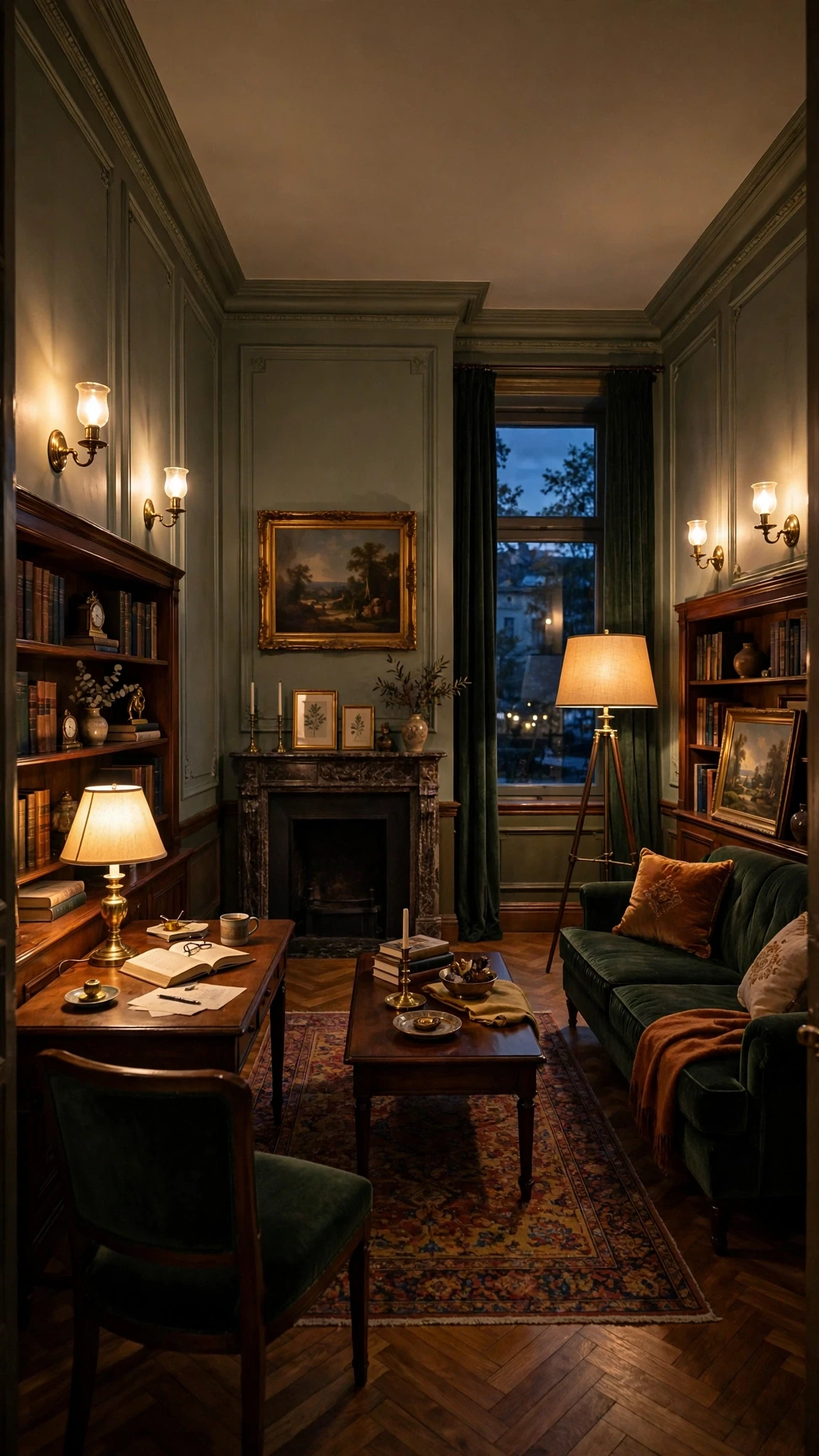
Old money homes avoid harsh overhead lighting, because it flattens everything and makes even beautiful rooms feel clinical. Table lamps, floor lamps, and wall sconces at different heights create pools of warm light that flatter furniture, art, and people alike. Three light sources per room is a good rule: one tall floor lamp, one or two table lamps, and a sconce or candle glow. Warm bulbs matter as much as the lamps themselves, since cool white light breaks the mood no matter how good the fixtures are.
- Three sources per room: a floor lamp, a table lamp, and a sconce or candle
- Warm bulbs only: 2700K warm white keeps the glow soft
- Lamps at seating height: light should fall where people sit and read
- Dimmer switches: a dimmer on any overhead light tames it for evenings
20. Choose Simple Greenery Over Showy Bouquets
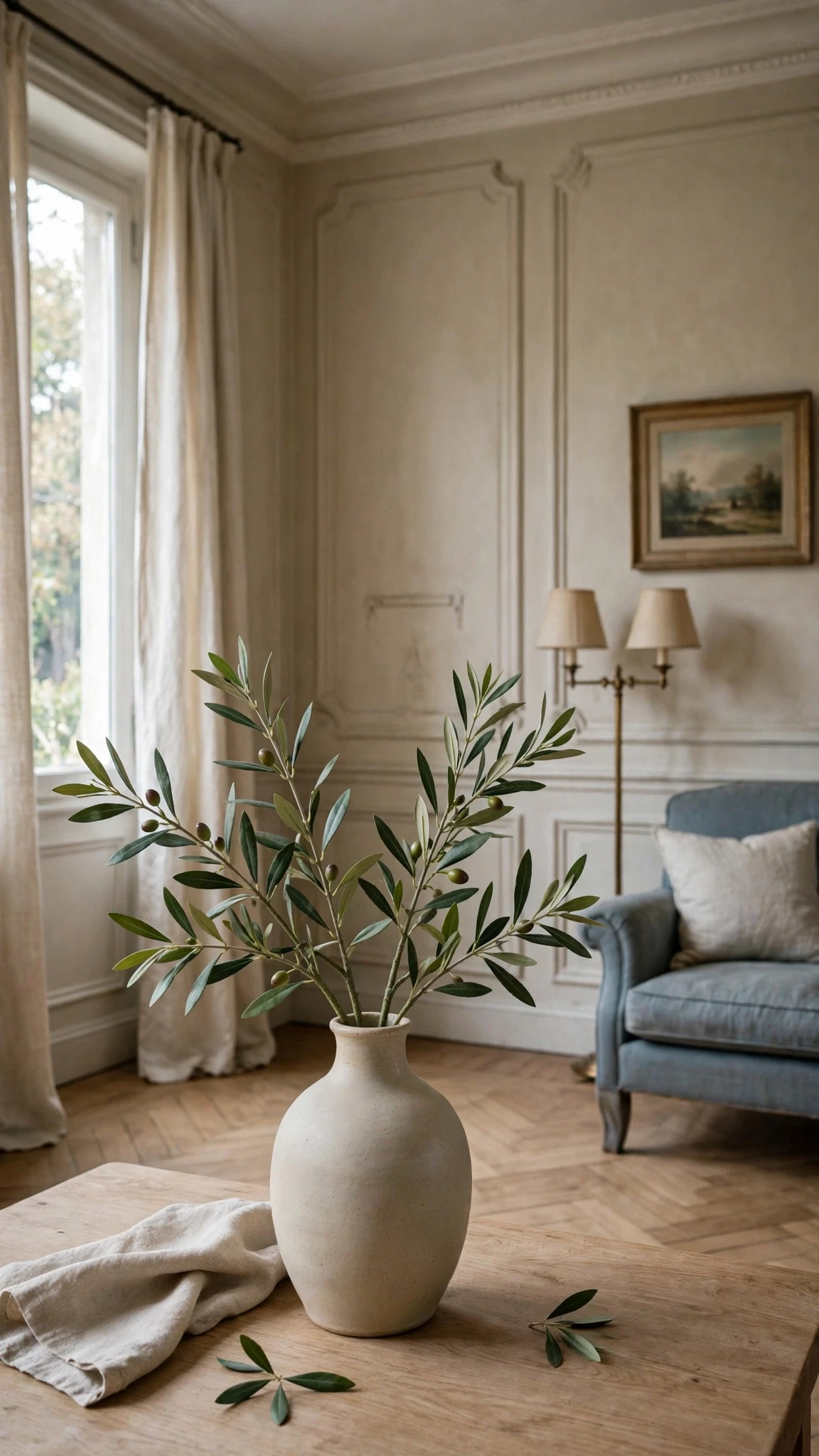
Simple greenery suits this style better than elaborate floral arrangements. Olive branches, eucalyptus stems, a potted rosemary, or a single branch in a ceramic vase bring life into a room without demanding attention, and they last far longer than cut flowers. A tall branch in a corner, a small pot on a shelf, and a sprig on a dining table are enough for a whole house. Keep the containers simple, ceramic, stone, or aged brass, so the greenery reads as part of the room rather than as decoration on top of it.
- Olive and eucalyptus first: both last well and suit muted rooms
- One tall branch: a single tall stem fills a corner better than a bouquet
- Simple containers: ceramic, stone, or aged brass pots keep the focus on the green
- Real over fake: a living plant or fresh cutting beats dusty faux stems
How to Build the Look Room by Room Without Renovating
Start where guests spend the most time: the living room. Set the furniture shapes and the neutral base there first, then let the same palette flow into the bedroom and the smaller rooms, so the house feels connected rather than decorated room by room in isolation. In each room, change the biggest surface first, usually the sofa, the rug, or the curtains, since one large swap shifts the whole space more than a dozen small ones. Leave the kitchen and bathroom for last, because their fixed surfaces cost the most to change, and a calm living room and bedroom already make the house feel like the style you want.
Work in layers rather than all at once. Buy the rug before the cushions, the lamps before the art, and the antique before the accessories, since each layer depends on the one beneath it. Live with each change for a week before adding the next, and move anything that gets in the way of daily life. A room that survives a week of real mornings, evenings, and guests is on the right track, and a room that only looks good in a photo is not.
FAQS
What is old money decor?
Old money decor is a timeless interior style built on classic furniture shapes, muted neutrals, natural materials, and pieces collected over time. It favors quiet quality over flashy displays, so rooms feel calm, lived in, and elegant without showing off wealth or following trends.
How do you make a small apartment look old money?
Start with the largest surfaces: floor-length curtains, one large traditional rug, and warm lamp light instead of overhead glare. Add one genuine antique, keep clutter behind closed doors, and layer neutrals, since these swaps change the feeling of a small room without needing space or renovation.
What colors work best for old money style?
Soft whites, warm creams, muted beiges, greiges, and gentle taupes form the base, with muted greens, pale blues, and gentle grays as supporting shades. Deep heritage colors like forest green, navy, and burgundy work best as small accents in cushions, art, or one upholstered chair.
How do you find antiques on a budget?
Estate sales, thrift shops, auctions, and secondhand markets offer solid wood furniture, brass lamps, and traditional rugs far below new prices. Start with small pieces like mirrors, boxes, or side chairs, check joints and solid wood backs for real age, and buy one strong piece per room.
How do you keep old money decor from looking like a museum?
Mix eras and keep the room usable: a comfortable sofa, books you actually read, and one lived-in touch like a throw or an open book. Avoid matching antique sets and roped-off formality, and let everyday life show gently, since a room people use never feels like a display.
Can you mix old money decor with modern furniture?
Yes, if the modern pieces stay simple and quiet in shape and color. A plain modern sofa works under classic art, and a simple modern lamp suits a traditional room, as long as loud shapes, shiny finishes, and trendy colors stay out and the classic pieces set the tone.
How do you keep an old money room from feeling dark or heavy?
Balance dark wood and deep colors with light walls, cream textiles, mirrors, and warm lamp light at several heights. Keep patterns small and muted, leave breathing room on shelves and surfaces, and let natural light in with sheer-free, floor-length curtains during the day.
Conclusion
Old money decor is less about expensive purchases and more about choosing timeless furniture, natural materials, warm colors, and meaningful details. A comfortable sofa, a traditional rug, beautiful curtains, or a single antique can give your home the understated elegance this style is known for.
Start with one room and make a few thoughtful changes at a time. Shop secondhand, prioritize comfort, and choose pieces you genuinely love. With patience and a little creativity, you can create a home that feels elegant, welcoming, and timeless without spending a fortune.